Opel

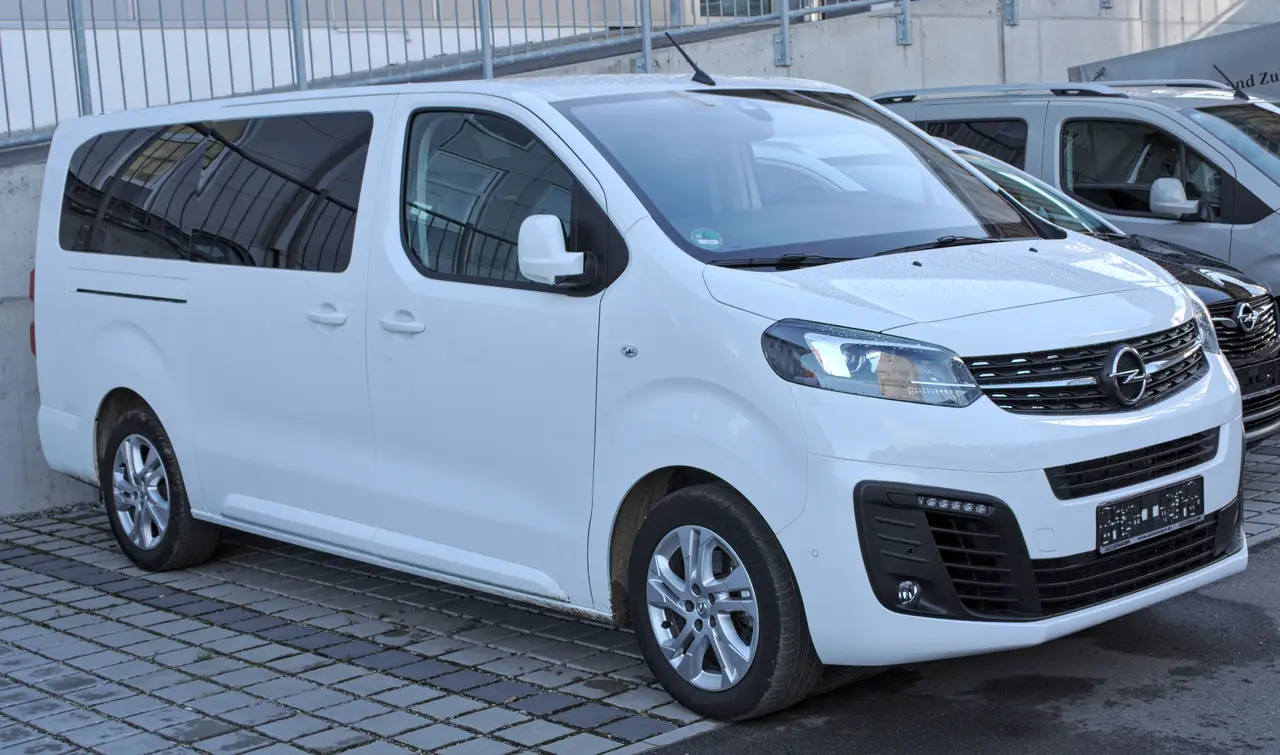
Opel Zafira Life

Opel Zafira Life
Photo: Alexander Migl / Wikimedia Commons · CC BY-SA 4.0

The official data lists 38 versions of the Opel Zafira Life (2019–2025), in the European Union. Each market publishes its own figures, measured on its own test procedure.

At a glance

Years in the data
2019–2025
Markets
European Union
Engines
1.5 L to 2.2 L
Power
57 kW (77 PS) to 132 kW (179 PS)
Fuels
Diesel, Electric
Lowest consumption (European Union)
6.2 L/100 km (WLTP)
New registrations in the EU
55,723

What is the Opel Zafira Life?

The Opel Zafira Life is a passenger van with a flexible cabin for families, group travel and shuttle duties. It sits at the people-carrying end of Opel’s van range, bringing the Zafira name to a larger, van-based format.

Introduced in 2019, Opel described the Zafira Life as the fourth generation of the Zafira line. It came with a choice of body lengths and seating for up to nine. Sliding doors and movable rear seats help make the cabin adaptable. An electric version joined the diesel models.

Generation and design

The Zafira Life is generation D, introduced in 2019. It marked a shift for the Zafira name from a conventional compact MPV to a full-size passenger van. Its different body lengths give passengers and luggage room to suit a range of journeys.

Sliding side doors and a configurable cabin make it easier to use when carrying several passengers. The van-based layout brings practical space, while the Zafira name identifies its role as a people carrier.

Engines, power and fuel consumption

Across EU versions from 2019–2025, engines range from 1.5 L to 2.2 L, and power spans 57 kW (77 PS) to 132 kW (179 PS). Listed fuels are diesel and electric. The lowest listed consumption is 6.2 L/100 km on the WLTP test.

Among the most registered listed configurations were a 2.0 L diesel producing 130 kW (177 PS) and a 1.5 L diesel producing 88 kW (120 PS). WLTP is the European test procedure used for the consumption figure.

Where was the Zafira Life sold?

Official EU registration figures cover 2019–2025 and total 55,723 registrations. The listed engine and power range includes diesel and electric versions.

Questions and answers

What sort of vehicle is the Opel Zafira Life?

It is a large passenger van with flexible seating, intended for carrying people and their luggage.

Which generation is the Zafira Life?

It is generation D, introduced in 2019, and Opel described it as the fourth generation of the Zafira line.

What is the lowest listed Zafira Life consumption?

The lowest listed EU figure is 6.2 L/100 km on WLTP.

What power range is listed for the Zafira Life?

EU versions range from 57 kW (77 PS) to 132 kW (179 PS), with engines from 1.5 L to 2.2 L.

Zafira Life D (since 2019)

Opel Zafira Life D
Photo: Alexander Migl / Wikimedia Commons · CC BY-SA 4.0

References: media.stellantis.com, opel-team-niedersachsen.de

European Union 38 versions

New cars registered in the EU (plus Norway and Iceland), from the European Environment Agency. Figures on the NEDC procedure until 2020 and on WLTP from 2021; versions are grouped by engine and power, with their number of registrations.

Years and versionEnginePowerFuelConsumption (combined)CO₂Electric rangeEU registrations
20252.0 L130 kW (177 PS)Diesel7.4 L/100 km WLTP193 g/km–2,398
2025Electric motor100 kW (136 PS)Electric25.2 kWh/100 km WLTP0 g/km308 km560
20252.2 L132 kW (179 PS)Diesel7.0 L/100 km WLTP183 g/km–117
2025Electric motor57 kW (77 PS)Electric26.9 kWh/100 km WLTP0 g/km314 km20
20242.0 L130 kW (177 PS)Diesel7.4 L/100 km WLTP193 g/km–1,884
2024Electric motor100 kW (136 PS)Electric25.6 kWh/100 km WLTP0 g/km298 km341
20242.0 L106 kW (144 PS)Diesel7.3 L/100 km WLTP191 g/km–14
20232.0 L130 kW (177 PS)Diesel7.3 L/100 km WLTP193 g/km–1,349
2023Electric motor100 kW (136 PS)Electric26.8 kWh/100 km WLTP0 g/km294 km644
20232.0 L106 kW (144 PS)Diesel7.2 L/100 km WLTP187 g/km–117
20231.5 L88 kW (120 PS)Diesel6.4 L/100 km WLTP168 g/km–37
2023Electric motor57 kW (77 PS)Electric26.7 kWh/100 km WLTP0 g/km307 km29
20222.0 L130 kW (177 PS)Diesel7.3 L/100 km WLTP191 g/km–2,626
20221.5 L88 kW (120 PS)Diesel6.4 L/100 km WLTP168 g/km–1,636
20222.0 L106 kW (144 PS)Diesel7.0 L/100 km WLTP185 g/km–1,444
2022Electric motor100 kW (136 PS)Electric26.8 kWh/100 km WLTP0 g/km309 km776
2022Electric motor57 kW (77 PS)Electric27.2 kWh/100 km WLTP0 g/km292 km90
20211.5 L88 kW (120 PS)Diesel6.2 L/100 km WLTP168 g/km–5,673
20212.0 L106 kW (144 PS)Diesel6.8 L/100 km WLTP185 g/km–5,534
20212.0 L130 kW (177 PS)Diesel7.1 L/100 km WLTP0.6 kWh/100 km WLTP190 g/km–4,838
2021Electric motor57 kW (77 PS)Electric27.0 kWh/100 km WLTP0 g/km288 km1,347
2021Electric motor100 kW (136 PS)Electric27.6 kWh/100 km WLTP0 g/km304 km979
20212.0 L110 kW (150 PS)Diesel7.0 L/100 km WLTP187 g/km–732
20212.0 L90 kW (122 PS)Diesel7.2 L/100 km WLTP191 g/km–154
20211.5 L75 kW (102 PS)Diesel6.6 L/100 km WLTP172 g/km–10
20202.0 L130 kW (177 PS)Diesel–148 g/km–6,682
20201.5 L88 kW (120 PS)Diesel–128 g/km–6,118
20202.0 L110 kW (150 PS)Diesel–146 g/km–5,360
20202.0 L90 kW (122 PS)Diesel–149 g/km–680
2020Electric motor57 kW (77 PS)Electric26.2 kWh/100 km NEDC0 g/km213 km614
20201.5 L75 kW (102 PS)Diesel–130 g/km–390
2020Electric motor100 kW (136 PS)Electric25.7 kWh/100 km NEDC0 g/km218 km126
20202.0 L106 kW (144 PS)Diesel–139 g/km–24
20191.5 L88 kW (120 PS)Diesel–127 g/km–874
20192.0 L130 kW (177 PS)Diesel–149 g/km–806
20192.0 L110 kW (150 PS)Diesel–146 g/km–672
20191.5 L75 kW (102 PS)Diesel–131 g/km–18
20192.0 L90 kW (122 PS)Diesel–148 g/km–10

Official figures are measured on standard test procedures and differ between markets. Your consumption depends on how, where and in what conditions you drive.