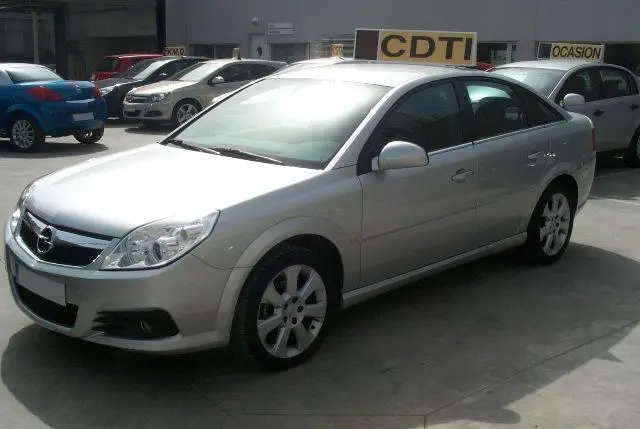
What kind of car is the Opel Vectra?
The Vectra was Opel’s mid-size family car, succeeding the Ascona and later giving way to the Insignia. It came as a saloon and hatchback, with an estate joining the range in a later generation. Those body styles gave families and business drivers different ways to balance passenger and luggage space.
Vectra generations
The Vectra A began as a saloon, with a hatchback also offered. The Vectra B continued the family-car role and added an estate body style. The Vectra C was the final generation, with saloon, hatchback and estate forms. Across its generations, the Vectra kept its place in Opel’s mid-size range while its body choices evolved.
Engines and EU registrations
In 2010, EU registration figures list four Vectra versions, with petrol, diesel and other fuel categories. The leading versions were the 1.8 L petrol and 1.9 L diesel, each with 66 registrations. The 2.2 L petrol recorded 44. There were 186 EU registrations in total.
Questions and answers
What type of car was the Opel Vectra?
It was a mid-size family car, offered as a saloon, hatchback and estate over its generations.
When were the Vectra generations sold?
The Vectra A ran from 1988 to 1995, the Vectra B from 1995 to 2002, and the Vectra C from 2002 to 2008.
Which Vectra versions led EU registrations in 2010?
The 1.8 L petrol and 1.9 L diesel versions led, with 66 registrations each.