Opel

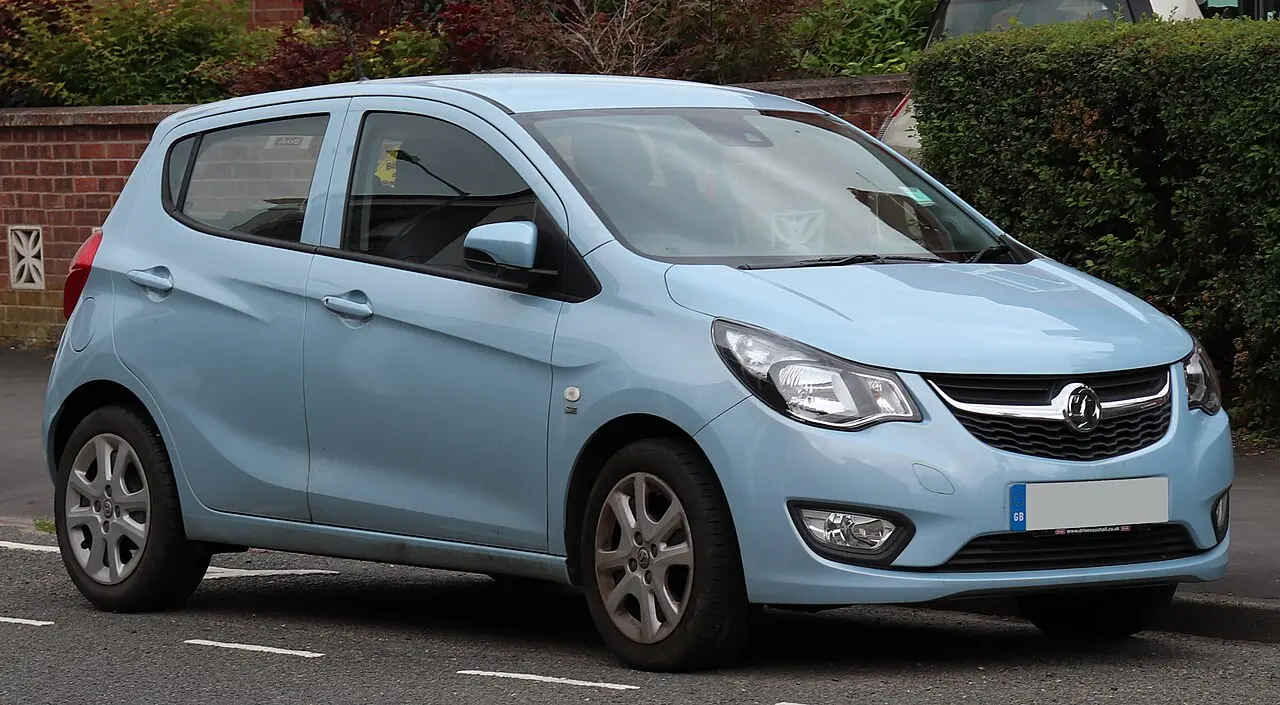
Opel Karl

Opel Karl
Photo: Vauxford / Wikimedia Commons · CC BY-SA 4.0

The official data lists 14 versions of the Opel Karl (2015–2020), in the European Union. Each market publishes its own figures, measured on its own test procedure.

At a glance

Years in the data
2015–2020
Markets
European Union
Engines
1.0 L
Power
54 kW (73 PS) to 83 kW (113 PS)
Fuels
Petrol, LPG
New registrations in the EU
369,826

What kind of car is the Opel Karl?

The Opel Karl is a small hatchback for everyday driving, with a compact footprint that suits city streets and routine trips. It sat at the smaller end of Opel’s passenger-car range. The model was offered with a 1.0 L engine and petrol or LPG fuel options.

The listed Karl generation ran from 2015 to 2019. EU registration figures span 2015 to 2020.

Engines and power

EU registration figures list a 1.0 L engine, with power from 54 kW (73 PS) to 83 kW (113 PS). Recorded fuel types include petrol and LPG. Among the most registered configurations were 1.0 L petrol versions rated at 54 kW (73 PS) and 55 kW (75 PS).

EU registrations

EU registration figures for the Karl span 2015 to 2020 and total 369,826.

Questions and answers

When was the Opel Karl sold?

The listed generation ran from 2015 to 2019. EU registration figures span 2015 to 2020.

What engine did the Karl have?

EU registration figures list a 1.0 L engine, with power from 54 kW (73 PS) to 83 kW (113 PS).

Was the Karl available with LPG?

Yes. LPG is among the fuel types in the EU registration figures.

How many EU registrations are listed for the Karl?

EU registration figures total 369,826 from 2015 to 2020.

Karl Karl (2015–2019)

Opel Karl Karl
Photo: Vauxford / Wikimedia Commons · CC BY-SA 4.0

References: auto-motor-und-sport.de, adac.de

European Union 13 versions

New cars registered in the EU (plus Norway and Iceland), from the European Environment Agency. Figures on the NEDC procedure until 2020 and on WLTP from 2021; versions are grouped by engine and power, with their number of registrations.

Years and versionEnginePowerFuelCO₂EU registrations
20191.0 L54 kW (73 PS)Petrol116 g/km81,862
20191.0 L55 kW (75 PS)Petrol98 g/km1,648
20191.0 L55 kW (75 PS)LPG95 g/km138
20181.0 L55 kW (75 PS)Petrol101 g/km43,944
20181.0 L54 kW (73 PS)Petrol118 g/km30,230
20181.0 L55 kW (75 PS)LPG108 g/km9,588
20171.0 L55 kW (75 PS)Petrol98 g/km57,356
20171.0 L55 kW (75 PS)Other fuel103 g/km21,494
20171.0 L55 kW (75 PS)LPG94 g/km214
20171.0 L83 kW (113 PS)Petrol104 g/km214
20161.0 L55 kW (75 PS)Petrol102 g/km78,336
20161.0 L55 kW (75 PS)LPG101 g/km5,280
20151.0 L55 kW (75 PS)Petrol103 g/km39,510

Versions outside these generations

European Union 1 version

New cars registered in the EU (plus Norway and Iceland), from the European Environment Agency. Figures on the NEDC procedure until 2020 and on WLTP from 2021; versions are grouped by engine and power, with their number of registrations.

Years and versionEnginePowerFuelCO₂EU registrations
20201.0 L55 kW (75 PS)Petrol99 g/km12

Official figures are measured on standard test procedures and differ between markets. Your consumption depends on how, where and in what conditions you drive.