Opel

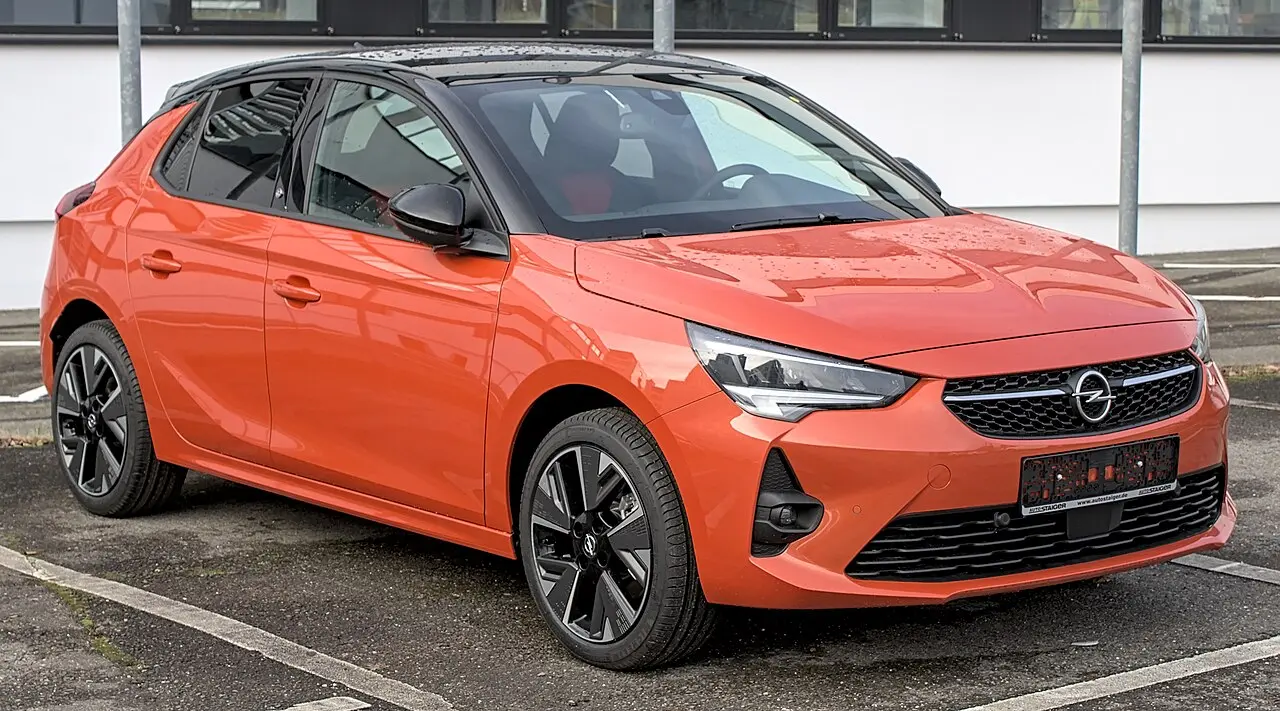
Opel Corsa

Opel Corsa
Photo: Alexander Migl / Wikimedia Commons · CC BY-SA 4.0

The official data lists 340 versions of the Opel Corsa (2010–2026), in the European Union and France. Each market publishes its own figures, measured on its own test procedure.

At a glance

Years in the data
2010–2026
Markets
European Union, France
Engines
1.0 L to 1.7 L
Power
48 kW (65 PS) to 152 kW (207 PS)
Fuels
Electric, Petrol, Diesel, LPG, Hybrid, Plug-in hybrid
Lowest consumption (France)
3.2 L/100 km (NEDC)
Lowest consumption (European Union)
3.9 L/100 km (WLTP)
Plug-in hybrid, weighted (European Union)
4.5 L/100 km (WLTP)
New registrations in the EU
4,510,005

What kind of car is the Opel Corsa?

The Corsa is Opel’s small hatchback, with a compact shape that suits city streets and a cabin made for everyday use. It sits among the smaller cars in Opel’s range. The current generation is also available as an electric car, alongside petrol and hybrid versions.

Corsa generations

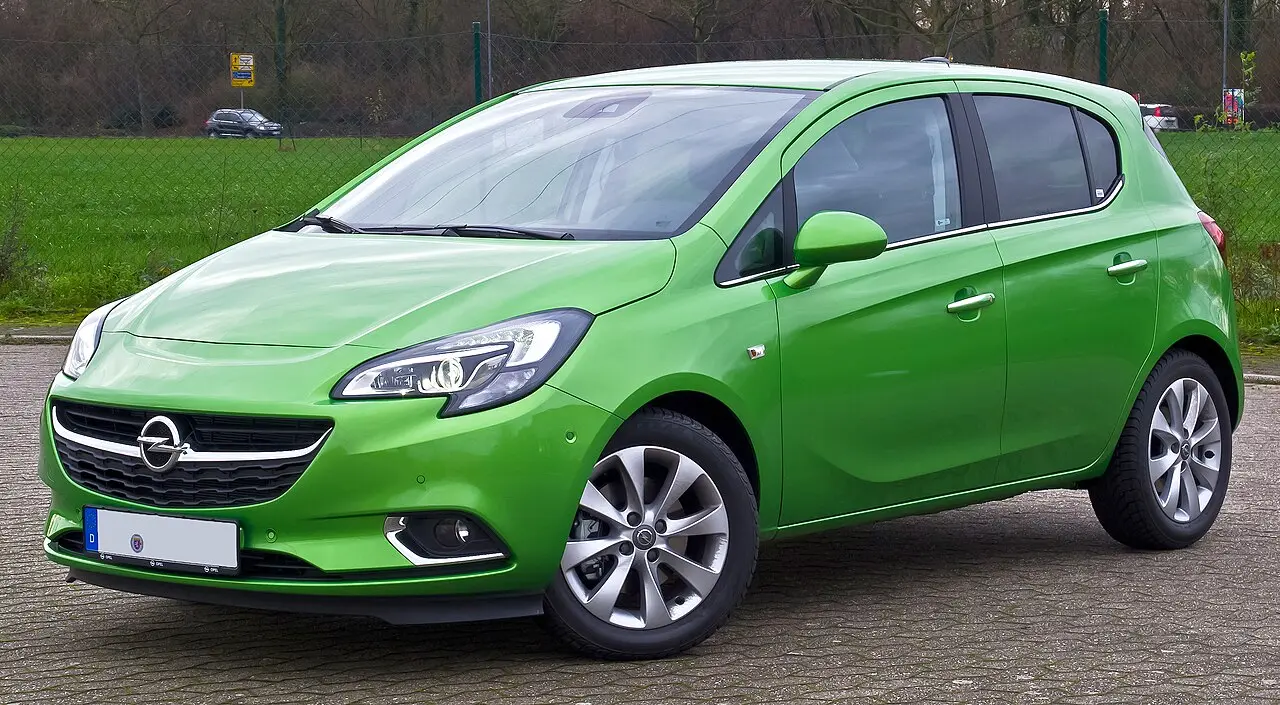
The Corsa D ran from 2010 to 2014, followed by the Corsa E from 2014 to 2019. The Corsa F began in 2019. Across these generations, the small hatchback has evolved while keeping its familiar role in Opel’s range.

Engines and power

Across European Union registrations from 2010 to 2025, Corsa versions span 1.0-litre to 1.7-litre engines and outputs from 48 kW (65 PS) to 155 kW (211 PS). The fuel mix includes petrol, diesel, hybrid, electric, plug-in hybrid and LPG versions. The exact choice varies by generation and market.

How economical is the Opel Corsa?

The lowest listed EU consumption is 3.9 L/100 km under WLTP for petrol, diesel or hybrid versions. France’s ADEME listings show a low of 3.2 L/100 km under NEDC. These figures use different European test procedures, so they are not directly comparable. EU registrations totalled 4,510,005 from 2010 to 2025.

Questions and answers

When did the Corsa D, E and F run?

The Corsa D ran from 2010 to 2014, the E from 2014 to 2019, and the F began in 2019.

What is the Corsa’s power range in EU registrations?

It ranges from 48 kW (65 PS) to 155 kW (211 PS) across versions recorded from 2010 to 2025.

What is the lowest listed Corsa consumption?

The EU WLTP low is 3.9 L/100 km for petrol, diesel or hybrid versions. France’s ADEME listings show 3.2 L/100 km under NEDC.
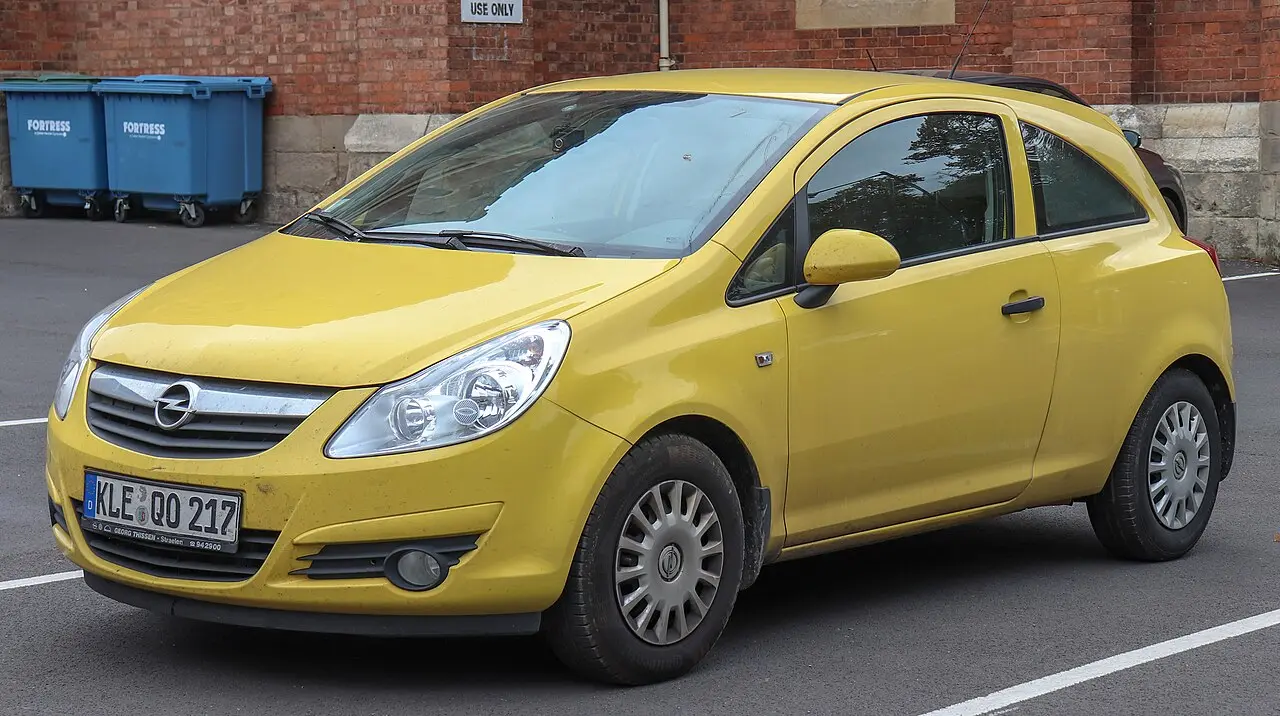
Corsa D (2010–2014)

Opel Corsa D
Photo: Vauxford / Wikimedia Commons · CC BY-SA 4.0

Model codes: S07 · References: en.wikipedia.org, opel.ua

Show all 154 versions

Corsa E (2014–2019)

Opel Corsa E
Photo: M 93 / Wikimedia Commons · CC BY-SA 3.0 de

Model codes: X15 · References: en.wikipedia.org

Show all 168 versions

Corsa F (since 2019)

Opel Corsa F
Photo: Alexander Migl / Wikimedia Commons · CC BY-SA 4.0

References: en.wikipedia.org

European Union 74 versions

New cars registered in the EU (plus Norway and Iceland), from the European Environment Agency. Figures on the NEDC procedure until 2020 and on WLTP from 2021; versions are grouped by engine and power, with their number of registrations.

Years and versionEnginePowerFuelConsumption (combined)CO₂Electric rangeEU registrations
20251.2 L74 kW (101 PS)Petrol5.4 L/100 km WLTP121 g/km–84,249
20251.2 L74 kW (101 PS)Hybrid4.5 L/100 km WLTP103 g/km–18,862
20251.2 L55 kW (75 PS)Petrol5.4 L/100 km WLTP120 g/km–7,665
2025Electric motor100 kW (136 PS)Electric16.1 kWh/100 km WLTP0 g/km351 km7,060
20251.2 L100 kW (136 PS)Hybrid4.6 L/100 km WLTP105 g/km–4,649
2025Electric motor115 kW (156 PS)Electric14.5 kWh/100 km WLTP0 g/km410 km4,568
2024–2025Electric motor57 kW (77 PS)Electric15.8 kWh/100 km WLTP0 g/km355 km686
20251.2 L96 kW (131 PS)Petrol5.6 L/100 km WLTP127 g/km–648
20251.5 L75 kW (102 PS)Diesel4.3 L/100 km WLTP112 g/km–293
2025Electric motor62 kW (84 PS)Electric14.3 kWh/100 km WLTP0 g/km404 km247
20251.2 L74 kW (101 PS)Plug-in hybrid4.5 L/100 km WLTP102 g/km–160
20241.2 L74 kW (101 PS)Petrol5.3 L/100 km WLTP119 g/km–62,754
20241.2 L55 kW (75 PS)Petrol5.4 L/100 km WLTP120 g/km–46,956
2024Electric motor100 kW (136 PS)Electric15.8 kWh/100 km WLTP0 g/km354 km9,987
20241.2 L74 kW (101 PS)Hybrid4.5 L/100 km WLTP102 g/km–6,660
20241.2 L96 kW (131 PS)Petrol5.5 L/100 km WLTP125 g/km–5,213
2024Electric motor115 kW (156 PS)Electric14.3 kWh/100 km WLTP0 g/km402 km2,878
20241.2 L100 kW (136 PS)Hybrid4.6 L/100 km WLTP104 g/km–701
20241.5 L75 kW (102 PS)Diesel4.2 L/100 km WLTP111 g/km–243
2024Electric motor62 kW (84 PS)Electric14.3 kWh/100 km WLTP0 g/km401 km174
20241.2 L100 kW (136 PS)Petrol4.7 L/100 km WLTP106 g/km–13
20231.2 L74 kW (101 PS)Petrol5.2 L/100 km WLTP118 g/km–61,810
20231.2 L55 kW (75 PS)Petrol5.3 L/100 km WLTP120 g/km–41,888
2023Electric motor100 kW (136 PS)Electric15.8 kWh/100 km WLTP0 g/km356 km25,731
20231.5 L75 kW (102 PS)Diesel4.2 L/100 km WLTP110 g/km–10,736
20231.2 L96 kW (131 PS)Petrol5.4 L/100 km WLTP122 g/km–5,548
2023Electric motor57 kW (77 PS)Electric15.7 kWh/100 km WLTP0 g/km358 km734
2023Electric motor115 kW (156 PS)Electric14.5 kWh/100 km WLTP0 g/km398 km551
20231.2 L67 kW (91 PS)Petrol5.3 L/100 km WLTP120 g/km–76
20231.2 L110 kW (150 PS)Petrol5.3 L/100 km WLTP119 g/km–41
20231.2 L74 kW (101 PS)Hybrid4.6 L/100 km WLTP104 g/km–33
20231.2 L81 kW (110 PS)Petrol5.3 L/100 km WLTP119 g/km–27
20231.2 L95 kW (129 PS)Petrol5.3 L/100 km WLTP120 g/km–17
20231.2 L68 kW (92 PS)Petrol5.3 L/100 km WLTP120 g/km–14
20231.2 L84 kW (114 PS)Petrol5.3 L/100 km WLTP120 g/km–12
20221.2 L74 kW (101 PS)Petrol5.2 L/100 km WLTP117 g/km–48,225
20221.2 L55 kW (75 PS)Petrol5.2 L/100 km WLTP118 g/km–40,208
2022Electric motor100 kW (136 PS)Electric16.2 kWh/100 km WLTP0 g/km343 km15,025
2021–20221.2 L96 kW (131 PS)Petrol5.4 L/100 km WLTP123 g/km–10,539
20221.5 L75 kW (102 PS)Diesel4.1 L/100 km WLTP107 g/km–10,484
2022Electric motor57 kW (77 PS)Electric15.8 kWh/100 km WLTP0 g/km355 km8,425
20221.2 L70 kW (95 PS)Diesel–101 g/km–27
20221.4 L66 kW (90 PS)Petrol–119 g/km–27
20211.2 L74 kW (101 PS)Petrol5.2 L/100 km WLTP120 g/km–109,512
20211.2 L55 kW (75 PS)Petrol5.1 L/100 km WLTP118 g/km–97,239
2021Electric motor57 kW (77 PS)Electric16.5 kWh/100 km WLTP0 g/km336 km32,147
20211.5 L75 kW (102 PS)Diesel3.9 L/100 km WLTP106 g/km–25,676
2021Electric motor100 kW (136 PS)Electric16.4 kWh/100 km WLTP0 g/km337 km8,240
20211.2 L74 kW (101 PS)Diesel4.0 L/100 km WLTP105 g/km–223
2021––Petrol5.6 L/100 km WLTP125 g/km–76
2021–100 kW (136 PS)Other fuel15.9 kWh/100 km WLTP117 g/km–68
2021––Diesel5.1 L/100 km WLTP133 g/km–34
20211.2 L–Plug-in hybrid1.3 L/100 km WLTP15.4 kWh/100 km WLTP31 g/km62 km11
2019–20201.2 L74 kW (101 PS)Petrol–97 g/km–139,100
20201.2 L55 kW (75 PS)Petrol–93 g/km–105,448
20201.5 L75 kW (102 PS)Diesel–85 g/km–31,299
2020Electric motor57 kW (77 PS)Electric16.5 kWh/100 km NEDC0 g/km334 km20,586
20201.2 L96 kW (131 PS)Petrol–103 g/km–11,310
2020Electric motor100 kW (136 PS)Electric16.5 kWh/100 km NEDC0 g/km336 km5,921
20201.4 L66 kW (90 PS)Petrol–131 g/km–42
20191.4 L66 kW (90 PS)Petrol13.8 kWh/100 km NEDC129 g/km–162,136
20191.2 L51 kW (69 PS)Petrol–130 g/km–51,198
20191.4 L66 kW (90 PS)LPG–127 g/km–35,734
20191.4 L74 kW (101 PS)Petrol–127 g/km–27,732
20191.4 L55 kW (75 PS)Petrol–132 g/km–16,076
20191.0 L66 kW (90 PS)Petrol–111 g/km–8,770
20191.2 L55 kW (75 PS)Petrol–93 g/km–7,820
20191.4 L110 kW (150 PS)Petrol–142 g/km–3,994
20191.5 L75 kW (102 PS)Diesel–85 g/km–2,164
20191.2 L96 kW (131 PS)Petrol–105 g/km–1,320
20191.2 L70 kW (95 PS)Diesel–94 g/km–556
2019Electric motor57 kW (77 PS)Electric–0 g/km–156
20191.5 L74 kW (101 PS)Diesel–108 g/km–46
20191.4 L55 kW (75 PS)LPG–134 g/km–34

France 3 versions

New cars on sale in France, from ADEME Car Labelling. NEDC figures until 2015, WLTP figures in the current catalogue.

Years and versionEnginePowerFuelGearboxConsumption (combined)CO₂Electric range
2026CORSA-E (57Kw)Electric motor57 kW (77 PS)ElectricContinuously variable (CVT)15.0 kWh/100 km WLTP–373 km
2026CORSA-E (57Kw)Electric motor57 kW (77 PS)ElectricContinuously variable (CVT)15.2 kWh/100 km WLTP–362 km
2026CORSA (101ch)1.2 L74 kW (101 PS)Petrol6-speed manual4.9 L/100 km WLTP109 g/km–

Official figures are measured on standard test procedures and differ between markets. Your consumption depends on how, where and in what conditions you drive.