Oldsmobile

Oldsmobile Silhouette

Oldsmobile Silhouette
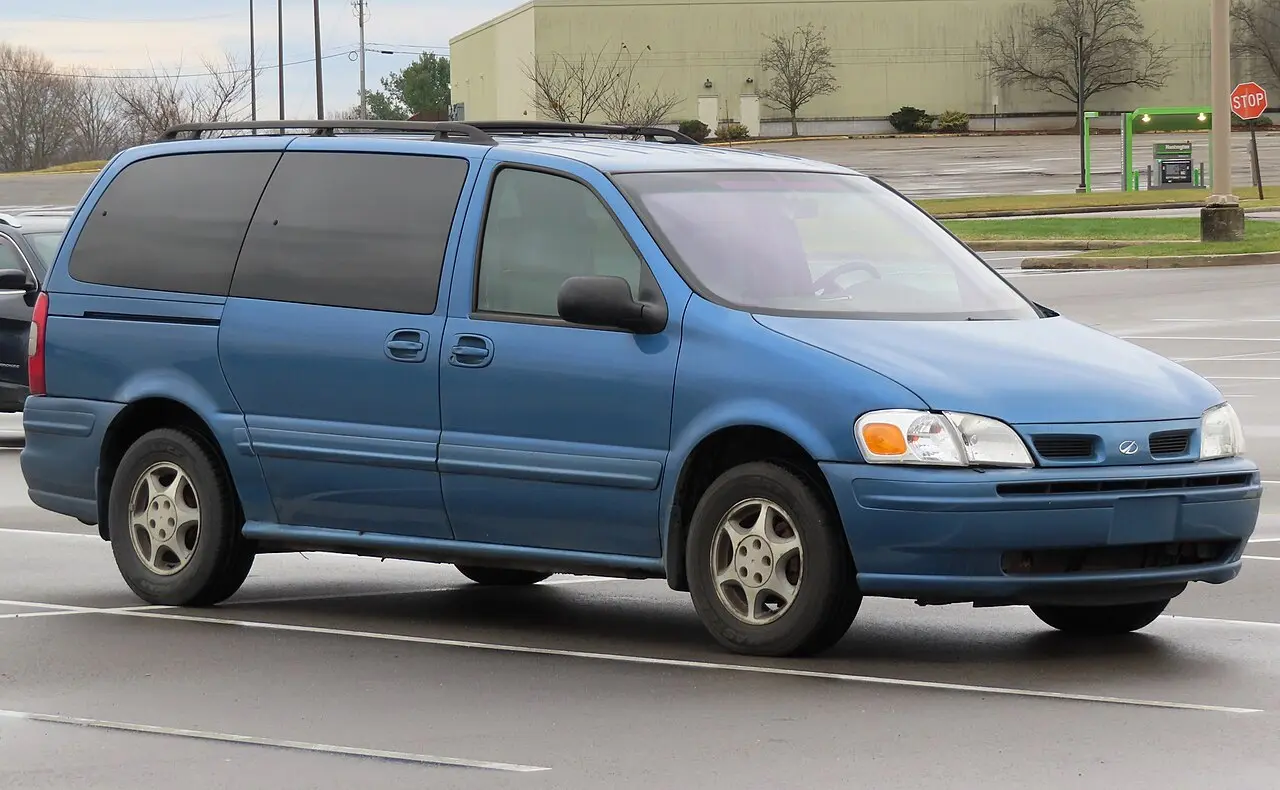
Photo: MercurySable99 / Wikimedia Commons · CC BY-SA 4.0

The official data lists 19 versions of the Oldsmobile Silhouette (1990–2004), in the United States and Canada. Each market publishes its own figures, measured on its own test procedure.

At a glance

Years in the data
1990–2004
Markets
United States, Canada
Engines
3.1 L to 3.8 L
Fuels
Petrol
Lowest consumption (Canada)
11.6 L/100 km (5-cycle)
Lowest consumption (United States)
11.8 L/100 km (EPA)

What kind of car was the Oldsmobile Silhouette?

The Silhouette was Oldsmobile’s minivan, with a flexible cabin for passengers and everyday cargo. Its first generation stood out with a steeply sloped front and composite body panels over a steel structure. The removable rear seats could be rearranged to suit passengers or cargo.

Silhouette generations

The first generation ran from 1990 to 1996. Its 1997 redesign brought a more conventional minivan shape and steel body construction, and the second generation continued through 2004. The Silhouette was part of Oldsmobile’s range until the marque was discontinued.

Engines and power

US versions used petrol engines from 3.1 L to 3.8 L. Canadian versions used a 3.4 L petrol engine.

How economical was the Silhouette?

The best combined US EPA rating was 20 MPG, with a lowest stated consumption of 11.8 L/100 km. In Canada, the 3.4 L petrol versions are rated at 11.6 L/100 km on the NRCan five-cycle test. WLTP or NEDC results in Europe, EPA figures in the United States and five-cycle results in Canada use different procedures, so these market figures are not direct equivalents.

Questions and answers

What years was the Silhouette sold?

Its first generation ran from 1990 to 1996 and its second from 1997 to 2004.

Was the Silhouette available with diesel power?

The US and Canadian versions used petrol engines.

What was the best listed fuel economy?

The highest combined US EPA rating was 20 MPG. Canadian versions are rated at 11.6 L/100 km on the five-cycle test.
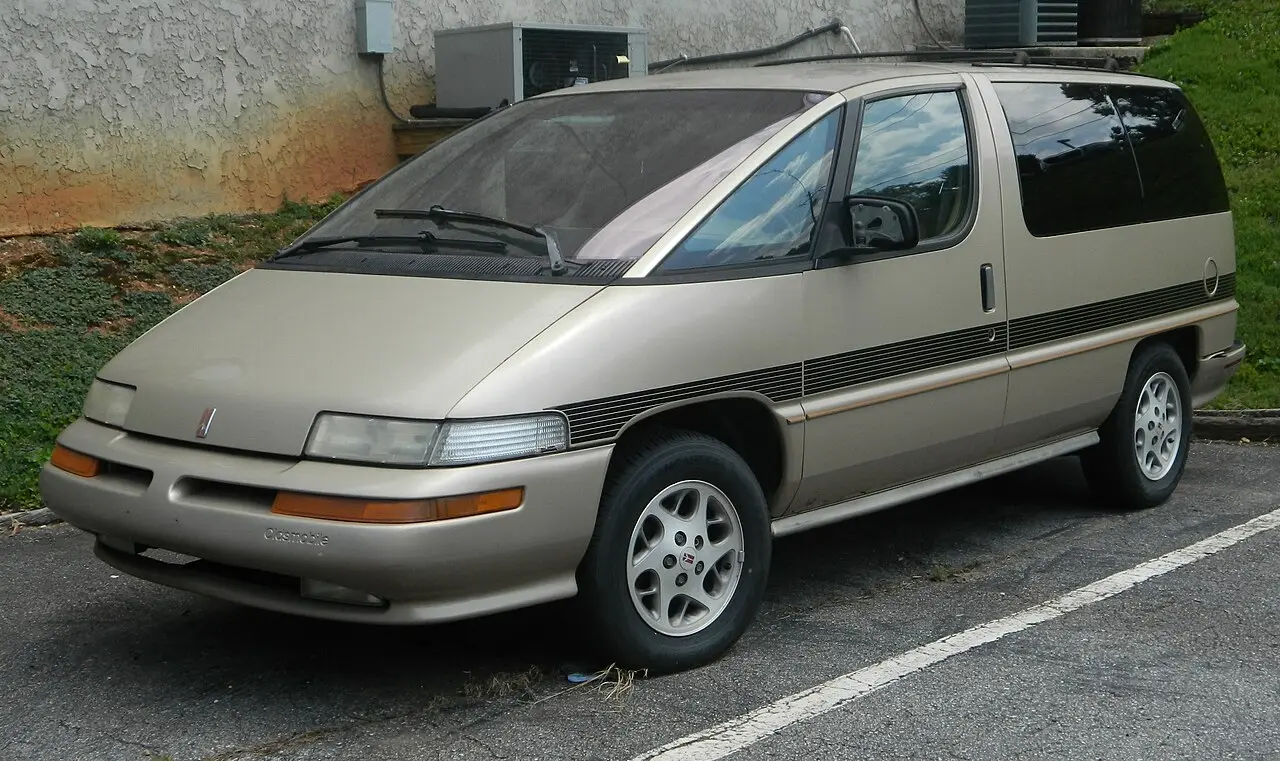
Silhouette first generation (1990–1996)

Oldsmobile Silhouette first generation
Photo: BuickRiviera99 / Wikimedia Commons · CC BY-SA 4.0

Model codes: U-body, GMT199 · Sold in: United States · References: en.wikipedia.org

Show all 5 versions

Silhouette second generation (1997–2004)

Oldsmobile Silhouette second generation
Photo: MercurySable99 / Wikimedia Commons · CC BY-SA 4.0

Model codes: U-body · References: en.wikipedia.org

United States 5 versions

Model years sold in the USA, from the EPA and the Department of Energy (fueleconomy.gov). MPG on the EPA test; litres per 100 km = 235.215 ÷ MPG.

Years and versionEngineFuelGearboxDriveConsumption (combined)CO₂
2001–2004CLKUP3.4 LPetrol4-speed automaticFront-wheel drive20 MPG (11.8 L/100 km) EPA276 g/km
2002–2004CLKUP3.4 LPetrol4-speed automaticFour- or all-wheel drive18 MPG (13.1 L/100 km) EPA307 g/km
2000CLKUP3.4 LPetrol4-speed automaticFront-wheel drive19 MPG (12.4 L/100 km) EPA291 g/km
1999CLKUP3.4 LPetrol4-speed automaticFront-wheel drive18 MPG (13.1 L/100 km) EPA307 g/km
1997–1998(FFS) (MPFI), CLKUP · CLKUP3.4 LPetrol4-speed automaticFront-wheel drive19 MPG (12.4 L/100 km) EPA291 g/km

Canada 9 versions

Model years sold in Canada, from Natural Resources Canada fuel consumption ratings (5-cycle test).

Years and versionEngineFuelGearboxConsumption (combined)CO₂
2004Minivan3.4 LPetrol4-speed automatic11.6 L/100 km 5-cycle267 g/km
2004Minivan3.4 LPetrol4-speed automatic13.5 L/100 km 5-cycle311 g/km
2003Minivan3.4 LPetrol4-speed automatic11.8 L/100 km 5-cycle271 g/km
2003Minivan3.4 LPetrol4-speed automatic12.8 L/100 km 5-cycle294 g/km
2001–2002Minivan3.4 LPetrol4-speed automatic12.0 L/100 km 5-cycle276 g/km
2002Minivan3.4 LPetrol4-speed automatic12.5 L/100 km 5-cycle288 g/km
2000Minivan3.4 LPetrol4-speed automatic12.2 L/100 km 5-cycle281 g/km
1999Minivan3.4 LPetrol4-speed automatic13.2 L/100 km 5-cycle304 g/km
1998Minivan3.4 LPetrol4-speed automatic13.7 L/100 km 5-cycle315 g/km

Official figures are measured on standard test procedures and differ between markets. Your consumption depends on how, where and in what conditions you drive.