Nissan

Nissan Altima

Nissan Altima
Photo: Kevauto / Wikimedia Commons · CC BY-SA 4.0

The official data lists 135 versions of the Nissan Altima (1993–2026), in the European Union, the United States, and Canada. Each market publishes its own figures, measured on its own test procedure.

At a glance

Years in the data
1993–2026
Markets
European Union, United States, Canada
Engines
2.4 L to 3.5 L
Fuels
Petrol, Hybrid
Lowest consumption (United States)
6.9 L/100 km (EPA)
Lowest consumption (Canada)
6.9 L/100 km (5-cycle)
New registrations in the EU
10

What is the Nissan Altima?

The Altima is a mid-size sedan and a long-running Nissan nameplate in North America. Its four-door layout serves everyday driving and family use. The first generation arrived in 1993, beginning a six-generation run.

The generations are I (1993–1997), II (1998–2001), III (2002–2006), IV (2007–2012), V (2013–2018) and VI (2019–today). Each brought a redesign. For the sixth generation, Nissan introduced a lower, wider shape, a redesigned interior and new engine choices.

Engines and power

US and Canadian figures cover petrol engines from 2.4 to 3.5 litres. US figures also include hybrid versions. The EU entry records one 2.5-litre petrol version in 2011.

The Altima has remained a mainstream sedan in Nissan’s North American range, with its design and available powertrains changing across generations.

Fuel consumption and CO₂

The best combined EPA rating in the US figures is 34 MPG. The lowest listed consumption is 6.9 L/100 km in both the US EPA and Canadian NRCan 5-cycle figures. These procedures differ from European NEDC and WLTP tests, so results are best compared within their own markets.

The EU registration entry records 10 cars in 2011, all listed with a 2.5-litre petrol engine.

Where was the Altima sold?

The Altima’s North American history spans the United States and Canada. Its sixth generation began in 2019; the EU entry records a single version in 2011.

Questions and answers

How many Altima generations are listed?

Six, from generation I (1993–1997) through generation VI (2019–today).

What is the best combined EPA fuel economy listed?

The best combined rating in the US figures is 34 MPG.

Was the Altima sold in Europe?

The EU entry lists one 2.5-litre petrol version in 2011.

What engine sizes are covered in North America?

US and Canadian figures cover petrol engines from 2.4 to 3.5 litres; US figures also include hybrid versions.
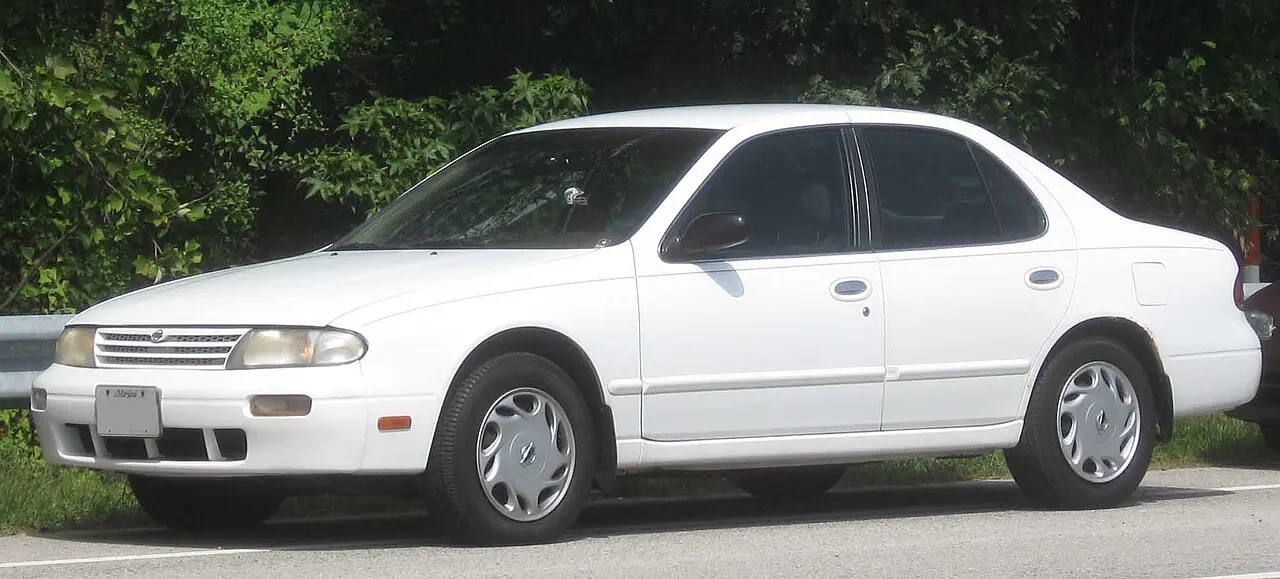
Altima I (1993–1997)

Nissan Altima I
Photo: IFCAR / Wikimedia Commons · Public domain

Model codes: U13 · Sold in: United States and Canada · References: usa.nissannews.com, en.wikipedia.org

Show all 8 versions

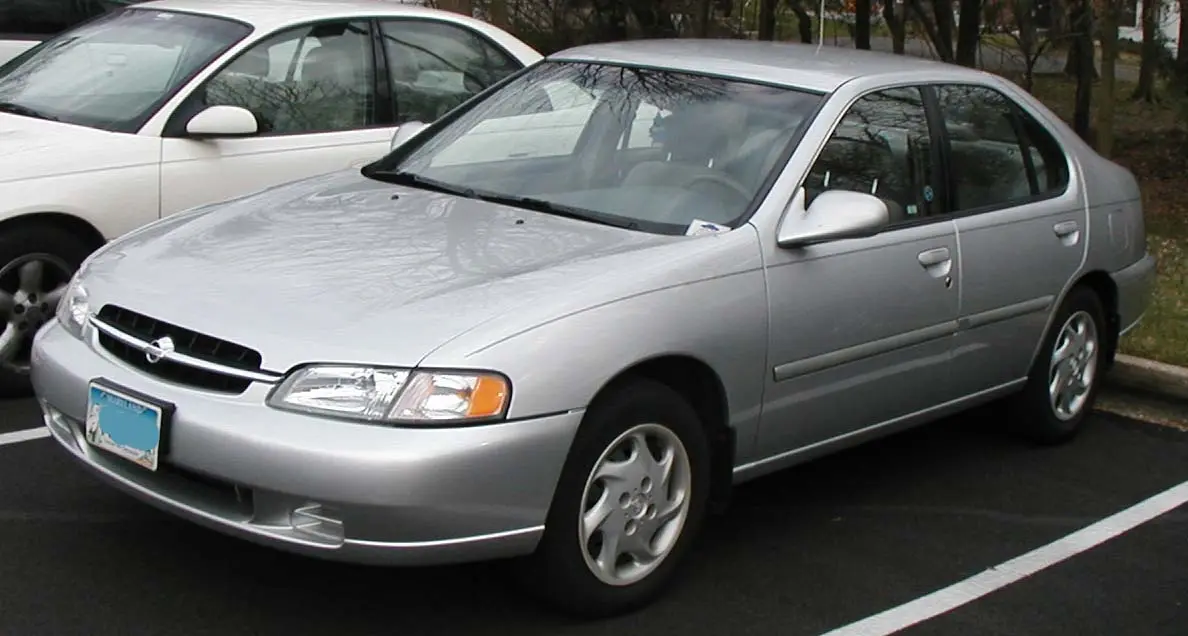
Altima II (1998–2001)

Nissan Altima II
Photo: IFCAR / Wikimedia Commons · Public domain

Model codes: L30 · Sold in: United States and Canada · References: usa.nissannews.com, en.wikipedia.org

Show all 9 versions

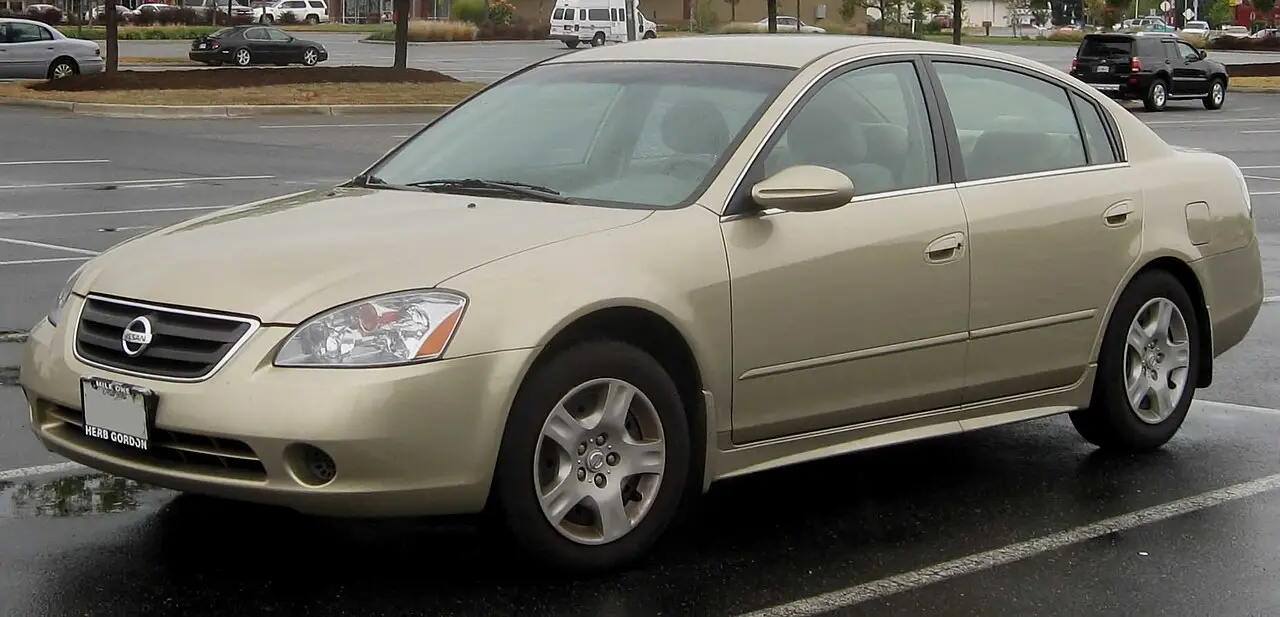
Altima III (2002–2006)

Nissan Altima III
Photo: IFCAR / Wikimedia Commons · Public domain

Model codes: L31 · Sold in: United States and Canada · References: usa.nissannews.com, en.wikipedia.org

Show all 28 versions

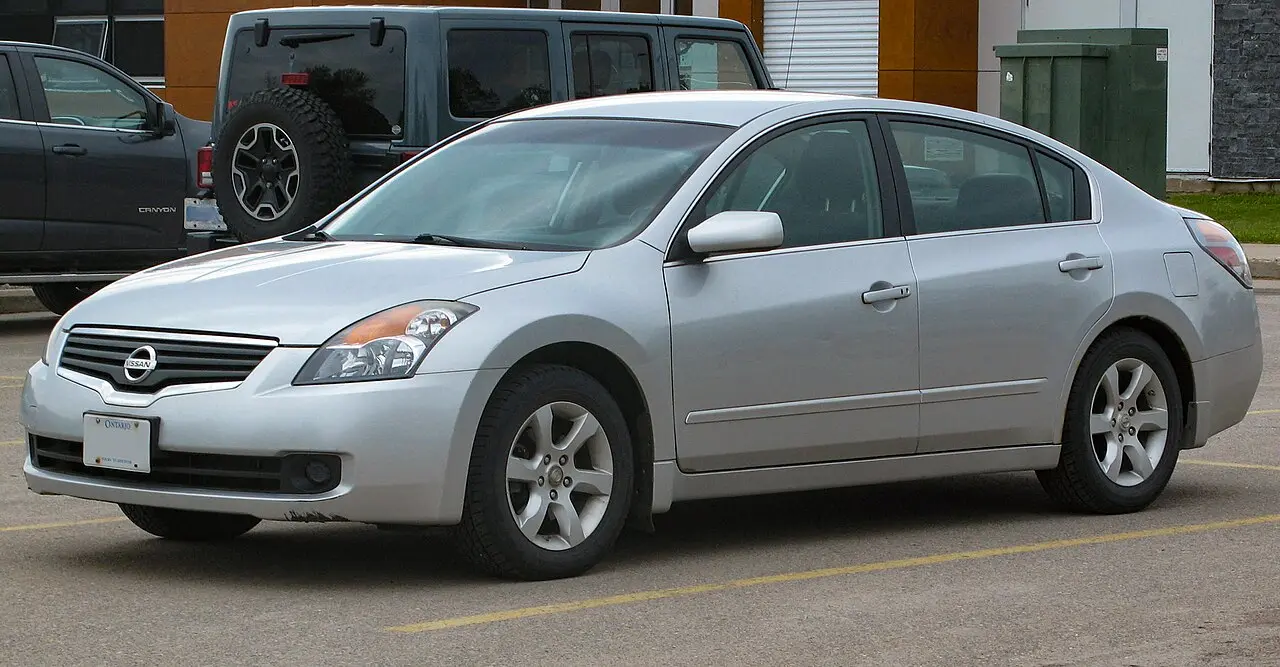
Altima IV (2007–2012)

Nissan Altima IV
Photo: Elise240SX / Wikimedia Commons · CC BY-SA 4.0

Model codes: L32 · Sold in: United States and Canada · References: usa.nissannews.com, en.wikipedia.org

Show all 32 versions

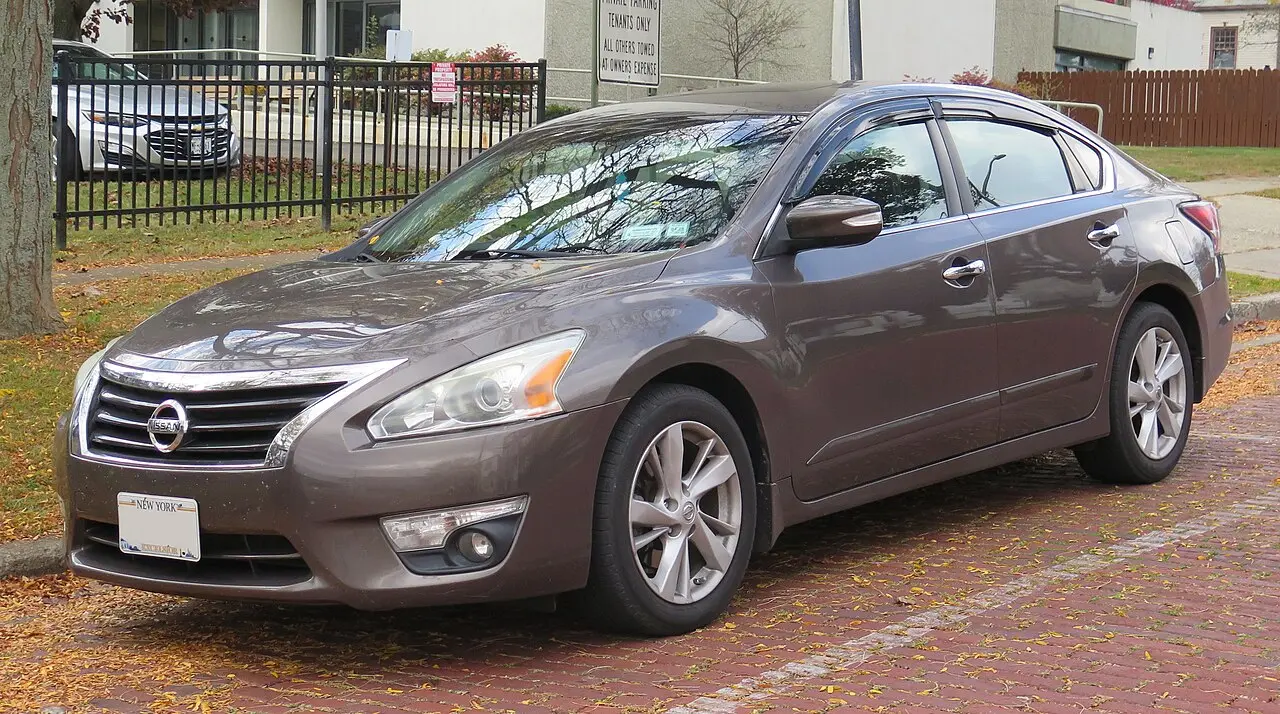
Altima V (2013–2018)

Nissan Altima V
Photo: Cutlass / Wikimedia Commons · CC0

Model codes: L33 · Sold in: United States and Canada · References: usa.nissannews.com, en.wikipedia.org

Show all 25 versions

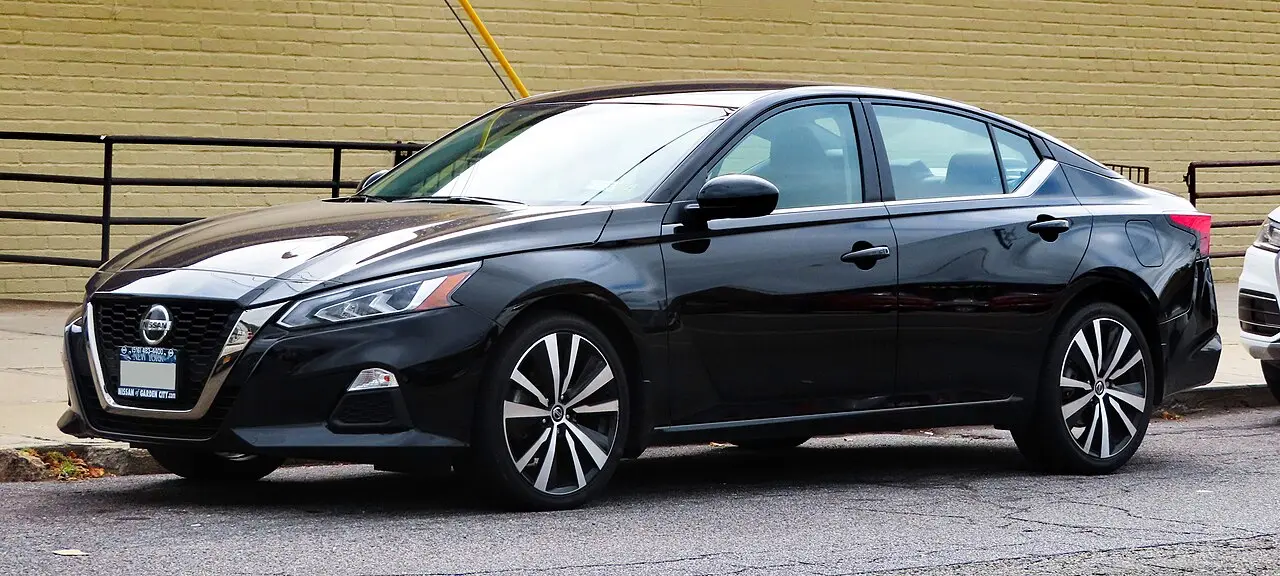
Altima VI (since 2019)

Nissan Altima VI
Photo: Kevauto / Wikimedia Commons · CC BY-SA 4.0

Model codes: L34 · Sold in: United States and Canada · References: en.wikipedia.org, carscope.io

United States 19 versions

Model years sold in the USA, from the EPA and the Department of Energy (fueleconomy.gov). MPG on the EPA test; litres per 100 km = 235.215 ÷ MPG.

Years and versionEngineFuelGearboxDriveConsumption (combined)CO₂
2026SIDI2.5 LPetrolContinuously variable (CVT)Front-wheel drive30 MPG (7.8 L/100 km) EPA185 g/km
2026SIDI2.5 LPetrolContinuously variable (CVT)All-wheel drive28 MPG (8.4 L/100 km) EPA196 g/km
2023–2025SIDI2.5 LPetrolContinuously variable (CVT)Front-wheel drive31 MPG (7.6 L/100 km) EPA175 g/km
2023–2025SIDI2.5 LPetrolContinuously variable (CVT)Front-wheel drive30 MPG (7.8 L/100 km) EPA178 g/km
2025SIDI2.5 LPetrolContinuously variable (CVT)All-wheel drive28 MPG (8.4 L/100 km) EPA197 g/km
2019–2024SIDI & PFI; VCR · SIDI & PFI2.0 LPetrolContinuously variable (CVT)Front-wheel drive29 MPG (8.1 L/100 km) EPA193 g/km
2023–2024SIDI2.5 LPetrolContinuously variable (CVT)All-wheel drive29 MPG (8.1 L/100 km) EPA186 g/km
2021–2022SIDI2.5 LPetrolContinuously variable (CVT)Front-wheel drive31 MPG (7.6 L/100 km) EPA180 g/km
2022SIDI2.5 LPetrolContinuously variable (CVT)Front-wheel drive32 MPG (7.4 L/100 km) EPA173 g/km
2022SIDI2.5 LPetrolContinuously variable (CVT)All-wheel drive30 MPG (7.8 L/100 km) EPA186 g/km
2022SIDI2.5 LPetrolContinuously variable (CVT)All-wheel drive29 MPG (8.1 L/100 km) EPA191 g/km
2022SIDI2.5 LPetrolContinuously variable (CVT)Front-wheel drive31 MPG (7.6 L/100 km) EPA178 g/km
2021SIDI2.5 LPetrolContinuously variable (CVT)Front-wheel drive32 MPG (7.4 L/100 km) EPA175 g/km
2021SIDI2.5 LPetrolContinuously variable (CVT)All-wheel drive29 MPG (8.1 L/100 km) EPA183 g/km
2021SIDI2.5 LPetrolContinuously variable (CVT)All-wheel drive29 MPG (8.1 L/100 km) EPA192 g/km
2019–2020SIDI2.5 LPetrolContinuously variable (CVT)Front-wheel drive32 MPG (7.4 L/100 km) EPA173 g/km
2019–2020SIDI2.5 LPetrolContinuously variable (CVT)Front-wheel drive31 MPG (7.6 L/100 km) EPA179 g/km
2019–2020SIDI2.5 LPetrolContinuously variable (CVT)All-wheel drive30 MPG (7.8 L/100 km) EPA186 g/km
2019–2020SIDI2.5 LPetrolContinuously variable (CVT)All-wheel drive29 MPG (8.1 L/100 km) EPA191 g/km

Canada 13 versions

Model years sold in Canada, from Natural Resources Canada fuel consumption ratings (5-cycle test).

Years and versionEngineFuelGearboxConsumption (combined)CO₂
2023–2025Mid-size2.5 LPetrolContinuously variable (CVT)8.2 L/100 km 5-cycle193 g/km
2025Mid-size2.5 LPetrolContinuously variable (CVT)8.4 L/100 km 5-cycle198 g/km
2023–2024Mid-size2.5 LPetrolContinuously variable (CVT)8.1 L/100 km 5-cycle191 g/km
2022Mid-size2.5 LPetrolContinuously variable (CVT)8.1 L/100 km 5-cycle191 g/km
2022Mid-size2.5 LPetrolContinuously variable (CVT)7.9 L/100 km 5-cycle186 g/km
2021Mid-size2.5 LPetrolContinuously variable (CVT)8.0 L/100 km 5-cycle188 g/km
2021Mid-size2.5 LPetrolContinuously variable (CVT)8.2 L/100 km 5-cycle194 g/km
2019–2020Mid-size2.5 LPetrolContinuously variable (CVT)8.1 L/100 km 5-cycle191 g/km
2020Mid-size2.5 LPetrolContinuously variable (CVT)8.0 L/100 km 5-cycle187 g/km
2019Mid-size2.0 LPetrolContinuously variable (CVT)8.1 L/100 km 5-cycle190 g/km
2019Mid-size2.5 LPetrolContinuously variable (CVT)7.4 L/100 km 5-cycle174 g/km
2019Mid-size2.5 LPetrolContinuously variable (CVT)7.5 L/100 km 5-cycle177 g/km
2019Mid-size2.5 LPetrolContinuously variable (CVT)8.0 L/100 km 5-cycle187 g/km

Versions outside these generations

European Union 1 version

New cars registered in the EU (plus Norway and Iceland), from the European Environment Agency. Figures on the NEDC procedure until 2020 and on WLTP from 2021; versions are grouped by engine and power, with their number of registrations.

Years and versionEngineFuelCO₂EU registrations
20112.5 LPetrol231 g/km10

Official figures are measured on standard test procedures and differ between markets. Your consumption depends on how, where and in what conditions you drive.