What is the Nissan 300ZX?
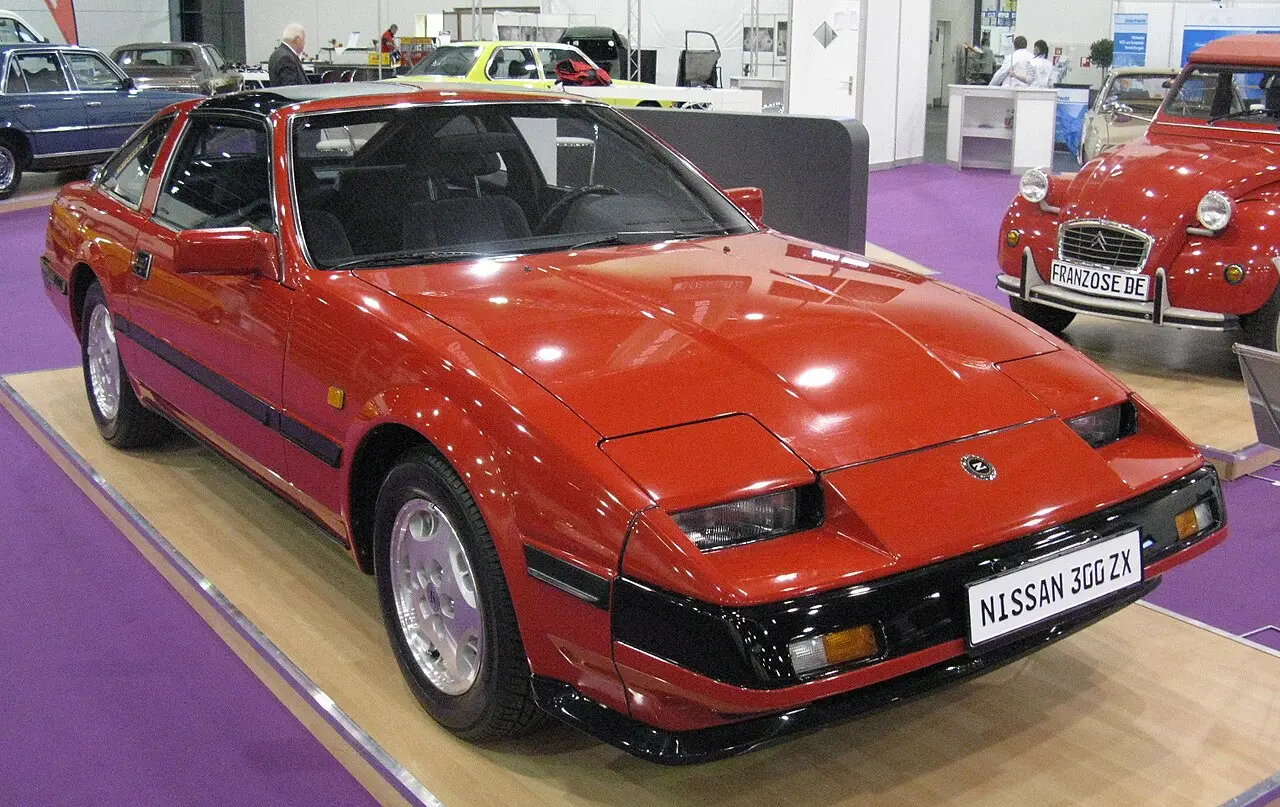
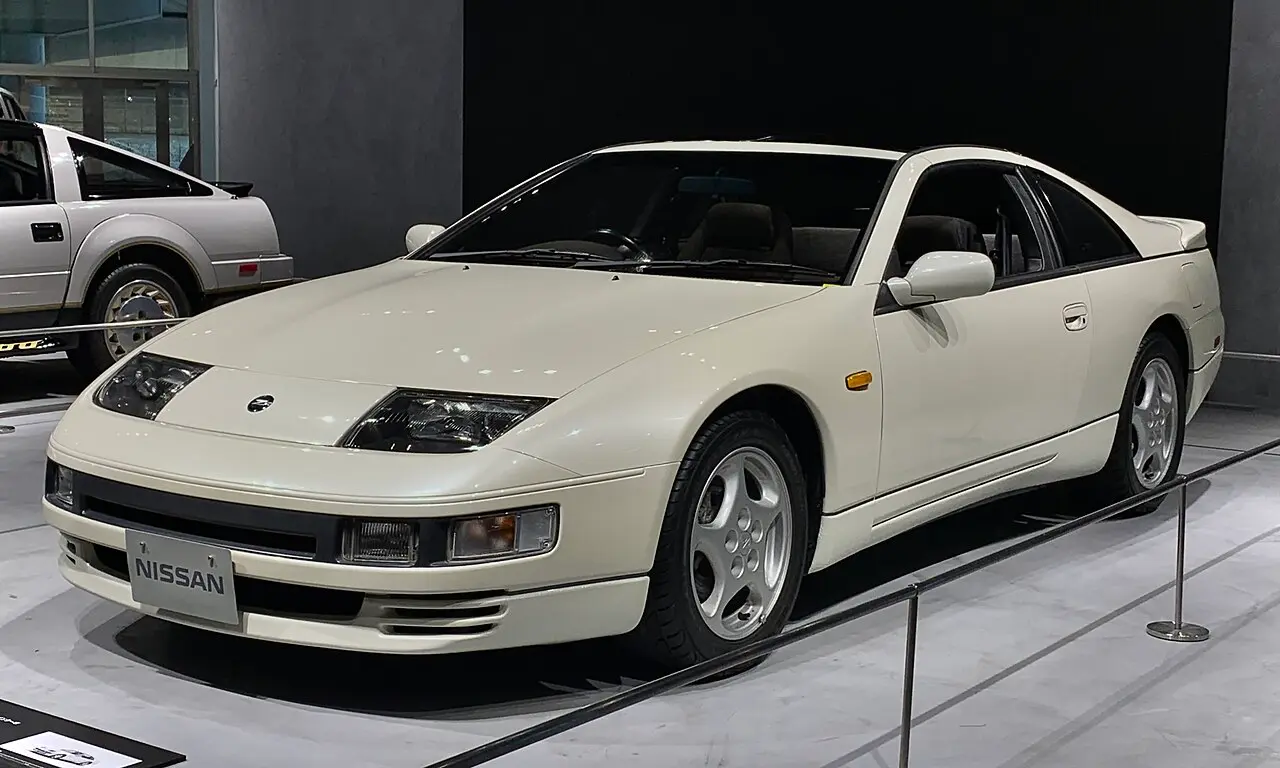
The 300ZX is a sports car from Nissan’s Z-car family, a line that gave the brand a recognisable sporting identity. It was designed as a fast, comfortable coupé for drivers who wanted a more substantial sports car than a small, stripped-back roadster. The model name spans two distinct generations in the markets listed here, each with its own shape and character.
The Z31 generation ran from 1984 to 1989, followed by the Z32 from 1990 to 1996. The Z31 carried the angular styling of its era. The Z32 moved to a smoother, lower-looking form and brought a more modern interpretation of the 300ZX. Both generations appear in the US and Canadian market records.
Engine and power
The listed 300ZX versions use a 3.0 L petrol engine. The figures here do not specify power output, and the engine size alone does not identify every mechanical variation across both generations. The model is recorded in the United States from 1984 to 1996 and in Canada from 1995 to 1996.
How economical is the Nissan 300ZX?
The lowest listed US consumption is 11.8 L/100 km on the EPA test, with a best combined EPA rating of 20 MPG. Canada’s lowest listed result is 12.6 L/100 km on the NRCan 5-cycle test. The EPA and Canadian procedures differ, so the two market ratings should be read in their own test contexts. European figures may use NEDC or WLTP; neither of those procedures applies to the US or Canadian results quoted here.
No CO₂ value accompanies these consumption results. The US figures cover model years 1984–1996, while the Canadian figures cover 1995–1996.
Where was the 300ZX sold?
The figures shown are for the United States and Canada. The Z31 and Z32 generations are both identified in those markets, with the Canadian listing covering the later part of the model’s recorded years.
Questions and answers
Which 300ZX generations are listed?
The Z31 ran from 1984 to 1989, and the Z32 from 1990 to 1996.
What engine size is listed?
The listed versions use a 3.0 L petrol engine.
What is the lowest listed Canadian consumption?
It is 12.6 L/100 km on the NRCan 5-cycle test.