Mitsubishi

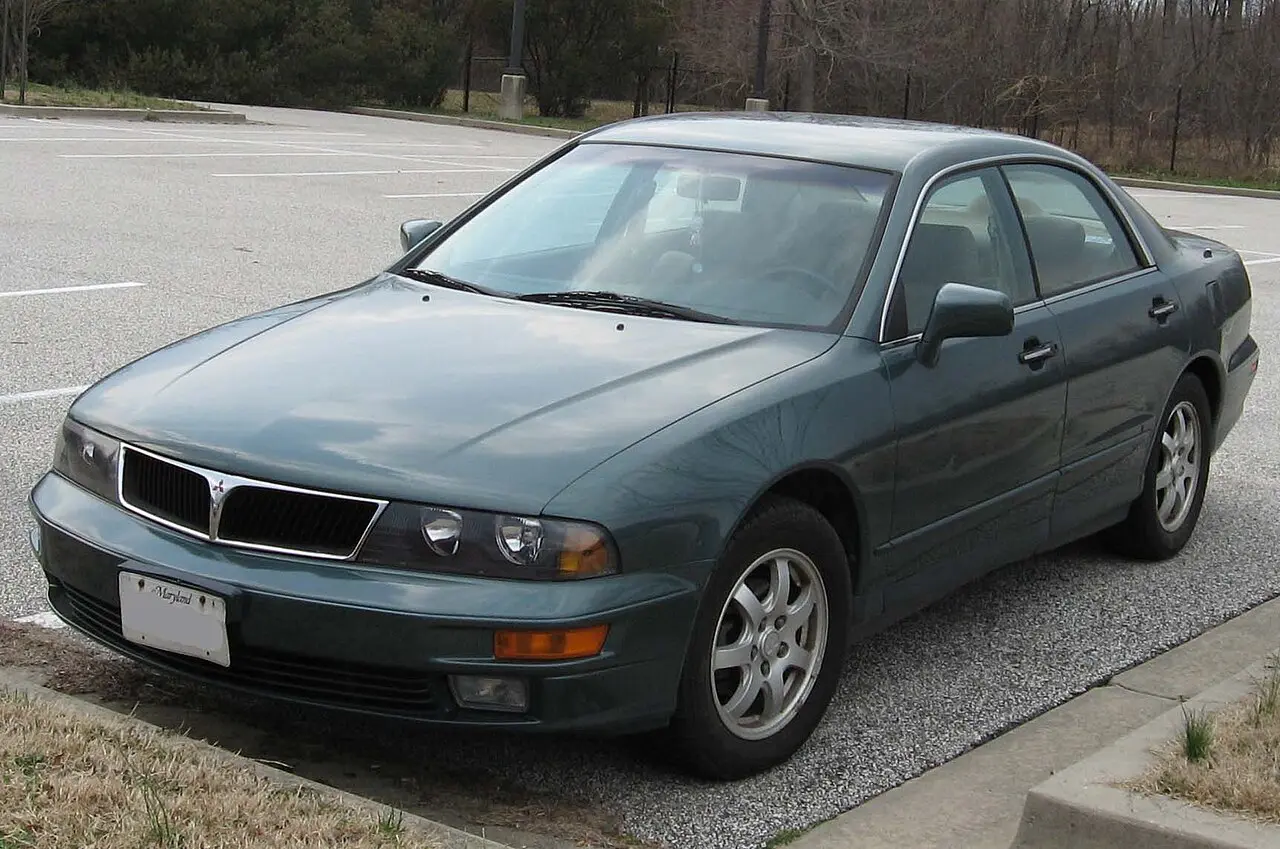
Mitsubishi Diamante

Mitsubishi Diamante
Photo: IFCAR / Wikimedia Commons · Public domain

The official data lists 12 versions of the Mitsubishi Diamante (1992–2005), in the United States and Canada. Each market publishes its own figures, measured on its own test procedure.

At a glance

Years in the data
1992–2005
Markets
United States, Canada
Engines
3.0 L to 3.5 L
Fuels
Petrol
Lowest consumption (United States)
12.4 L/100 km (EPA)
Lowest consumption (Canada)
13.1 L/100 km (5-cycle)

What is the Mitsubishi Diamante?

The Diamante was a large Mitsubishi sedan, designed with comfort and space in mind. Mitsubishi’s history describes the original as a wide-bodied hardtop, and the name later appeared on different body styles in some markets. The North American cars covered here were sedans.

The Diamante sat toward the more executive end of Mitsubishi’s range. The original Japanese-market model showcased technology such as electronically controlled valve timing, four-wheel steering and an advanced all-wheel-drive system on some versions. Equipment varied by market.

Generations and engines

The first generation, coded F10 and F20, ran from 1992 to 1996. The second, coded F30 and F40, followed from 1997 to 2005. Mitsubishi introduced the second generation after a full model change, updating the car’s design and technology.

In the United States, petrol engines ranged from 3.0 to 3.5 litres. Canada’s listing covers a 3.5-litre petrol version for 2004.

Fuel consumption and markets

For United States models from 1992 to 2005, the best listed combined rating is 19 MPG under the EPA test, or 12.4 L/100 km. Canada’s 2004 listing gives 13.1 L/100 km on the NRCan 5-cycle test. The procedures differ, so results are most useful when compared within the same market.

The Diamante was listed in the United States and Canada. The US model years span 1992 to 2005; Canada’s listing is for 2004.

Questions and answers

What kind of car is the Mitsubishi Diamante?

It is a large, comfort-focused sedan that sat toward the more executive end of Mitsubishi’s range.

What are the Diamante generations?

The first generation ran from 1992 to 1996 and the second from 1997 to 2005.

What engine sizes were available in the United States?

The US petrol range spanned 3.0 to 3.5 litres.

What is the Diamante’s lowest listed fuel consumption?

The US EPA rating is 19 MPG combined, or 12.4 L/100 km. Canada’s 2004 listing is 13.1 L/100 km on the NRCan 5-cycle test.
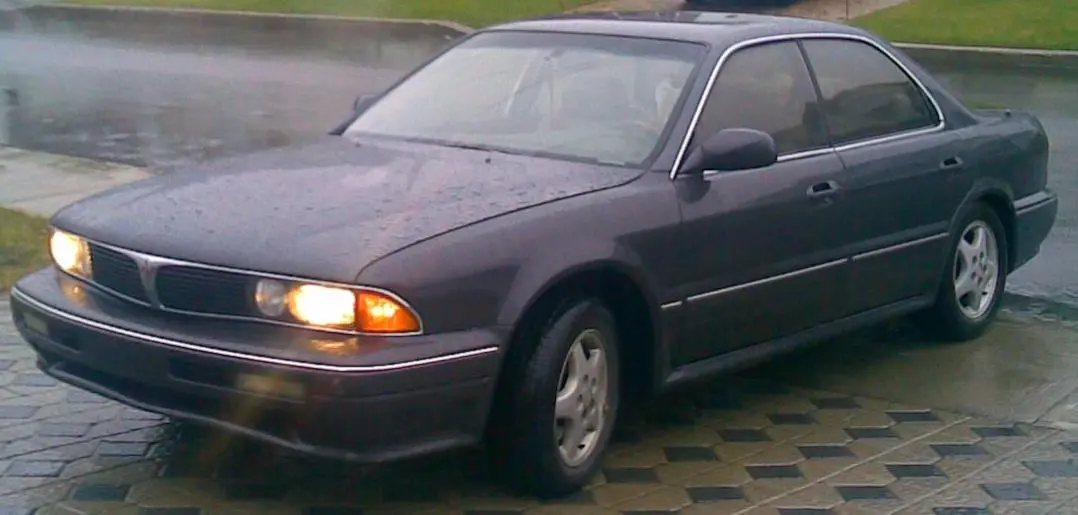
Diamante first generation (1992–1996)

Mitsubishi Diamante first generation
Photo: Bull-Doser / Wikimedia Commons · Public domain

Model codes: F10, F20 · Sold in: United States and Canada · References: en.wikipedia.org, cars.com

Show all 6 versions

Diamante second generation (1997–2005)

Mitsubishi Diamante second generation
Photo: IFCAR / Wikimedia Commons · Public domain

Model codes: F30, F40 · Sold in: United States and Canada · References: en.wikipedia.org, cars.com

United States 5 versions

Model years sold in the USA, from the EPA and the Department of Energy (fueleconomy.gov). MPG on the EPA test; litres per 100 km = 235.215 ÷ MPG.

Years and versionEngineFuelGearboxDriveConsumption (combined)CO₂
2004–2005SOHC, CMODE CLKUP · SOHC, 2MODE CLKUP3.5 LPetrol4-speed automaticFront-wheel drive18 MPG (13.1 L/100 km) EPA307 g/km
2000–2003SOHC, CMODE CLKUP · CMODE CLKUP3.5 LPetrol4-speed automaticFront-wheel drive18 MPG (13.1 L/100 km) EPA307 g/km
1999SOHC, EMS CMODE CLKUP3.5 LPetrol4-speed automaticFront-wheel drive18 MPG (13.1 L/100 km) EPA307 g/km
1998SOHC, EMS CMODE CLKUP3.5 LPetrol4-speed automaticFront-wheel drive18 MPG (13.1 L/100 km) EPA307 g/km
1997SOHC (FFS)3.5 LPetrol4-speed automaticFront-wheel drive19 MPG (12.4 L/100 km) EPA291 g/km

Canada 1 version

Model years sold in Canada, from Natural Resources Canada fuel consumption ratings (5-cycle test).

Years and versionEngineFuelGearboxConsumption (combined)CO₂
2004Mid-size3.5 LPetrol4-speed automatic13.1 L/100 km 5-cycle301 g/km

Official figures are measured on standard test procedures and differ between markets. Your consumption depends on how, where and in what conditions you drive.