Mercedes-Benz

Mercedes-Benz V-Class

Mercedes-Benz V-Class
Photo: M 93 / Wikimedia Commons · CC BY-SA 3.0 de

The official data lists 141 versions of the Mercedes-Benz V-Class (2000–2026), in the European Union, the United Kingdom, and France. Each market publishes its own figures, measured on its own test procedure.

At a glance

Years in the data
2000–2026
Markets
European Union, United Kingdom, France
Engines
2.0 L to 2.3 L
Power
100 kW (136 PS) to 233 kW (317 PS)
Fuels
Diesel, Hybrid, Petrol, Electric
Lowest consumption (France)
5.7 L/100 km (NEDC)
Lowest consumption (United Kingdom)
6.2 L/100 km (NEDC)
Lowest consumption (European Union)
7.3 L/100 km (WLTP)
New registrations in the EU
485,343

What is the Mercedes-Benz V-Class?

The V-Class is a large passenger van, or MPV, with a spacious cabin and flexible seating. It belongs to Mercedes-Benz’s van range and is set up for carrying people. The Vito is its close commercial relative, while the V-Class focuses on passenger comfort and seating.

The first V-Class arrived in 1996. Across its generations, it has served families and passenger-transport operators who need the space of a van in a passenger-focused vehicle.

V-Class generations

The first generation, W638, ran from 1996 to 2003. The second, W639, followed from 2003 to 2014. The third generation, W447, began in 2014.

The W447 brought a more car-like finish, including body-coloured bumpers. Later equipment updates added features such as MULTIBEAM LED headlamps on some versions.

Engines, power and fuel consumption

Diesel has been central to the V-Class range. EU figures from 2013 to 2025 also include hybrid, petrol, electric and other versions. EU engines range from 1.9 to 2.1 litres, with power from 100 kW (136 PS) to 180 kW (245 PS). UK figures include engines from 1.9 to 2.8 litres and power up to 233 kW (317 PS).

The lowest EU figure for petrol, diesel and hybrid versions is 7.3 L/100 km on WLTP. In the UK, the lowest figure is 6.2 L/100 km on NEDC; France’s is 5.7 L/100 km on NEDC. WLTP and NEDC are different European test procedures, so their figures are not directly equivalent.

Where was the V-Class sold?

The V-Class appears in EU figures from 2013 to 2025, UK figures from 2000 to 2026, and French figures for 2015. EU registrations total 485,343. Among the leading EU versions were 2.1-litre diesels rated at 140 kW (190 PS).

Questions and answers

What type of vehicle is the V-Class?

It is a passenger-focused large van or MPV, with a spacious cabin and flexible seating.

What are the V-Class generation years?

The W638 ran from 1996 to 2003, the W639 from 2003 to 2014, and the W447 began in 2014.

What is the lowest official V-Class consumption figure?

The EU low is 7.3 L/100 km on WLTP; the UK NEDC low is 6.2 L/100 km and France’s NEDC low is 5.7 L/100 km.

Where was the V-Class sold?

Its official figures cover the EU, UK and France, with market year ranges differing by region.
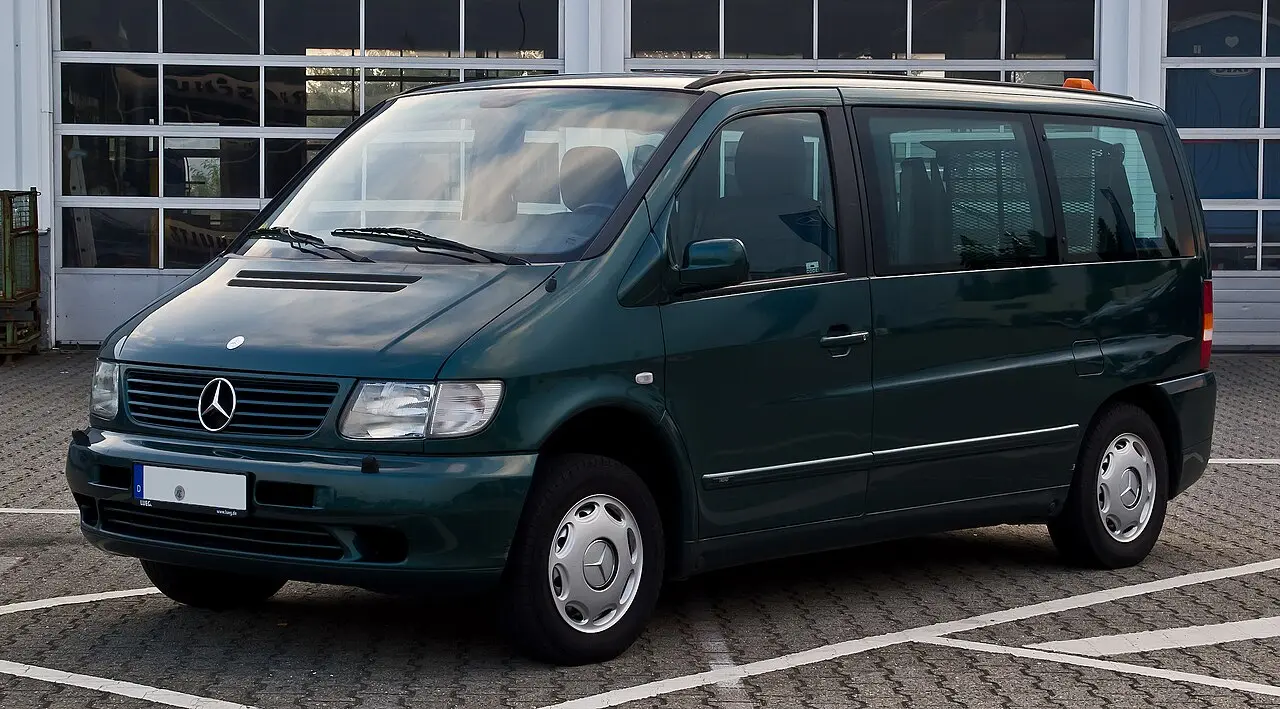
V-Class I (1996–2003)

Mercedes-Benz V-Class I
Photo: M 93 / Wikimedia Commons · CC BY-SA 3.0 de

Model codes: W638 · Sold in: European Union and United Kingdom · References: de.wikipedia.org

Show all 10 versions

V-Class II (2003–2014)

Mercedes-Benz V-Class II
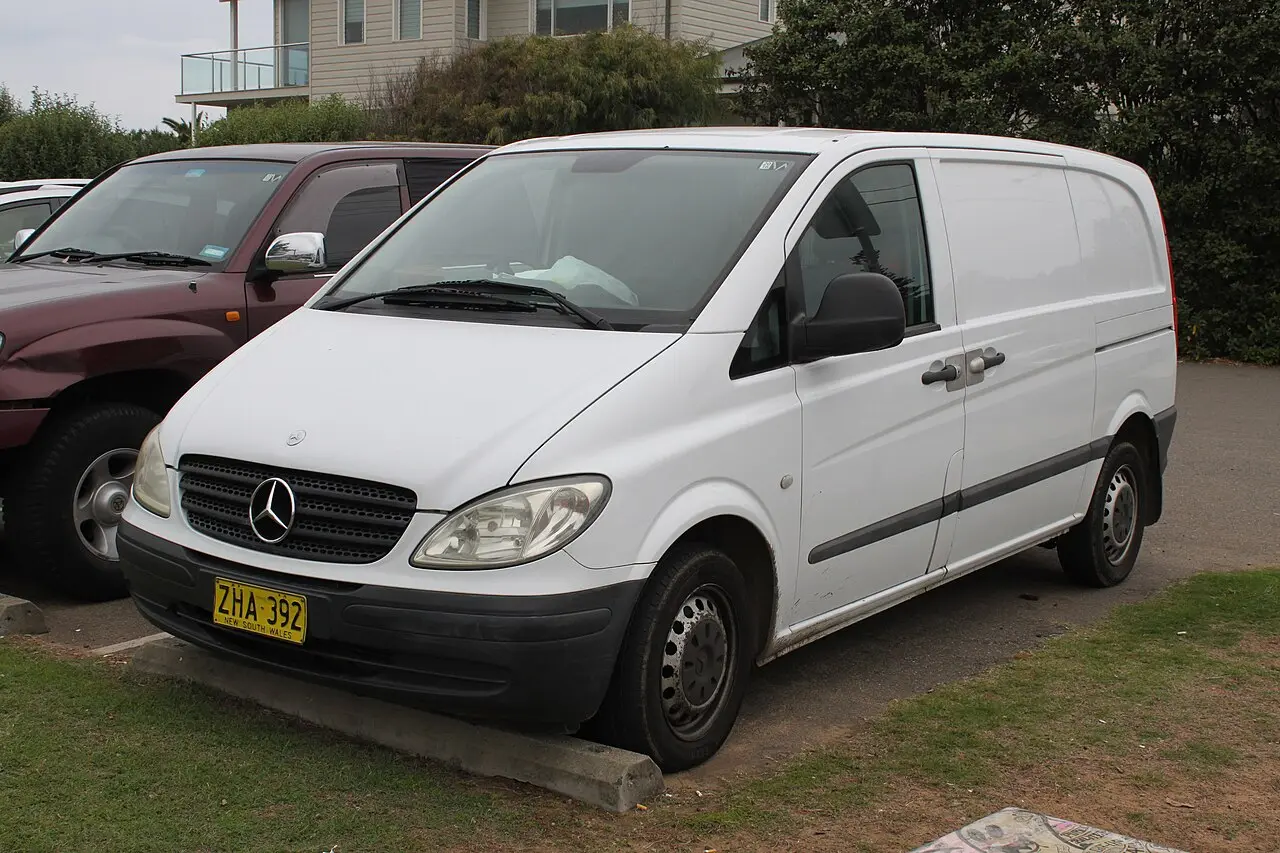
Photo: Jeremy from Sydney, Australia / Wikimedia Commons · CC BY 2.0

Model codes: W639 · Sold in: European Union and United Kingdom · References: de.wikipedia.org, auto-motor-und-sport.de

Show all 8 versions

V-Class III (since 2014)

Mercedes-Benz V-Class III
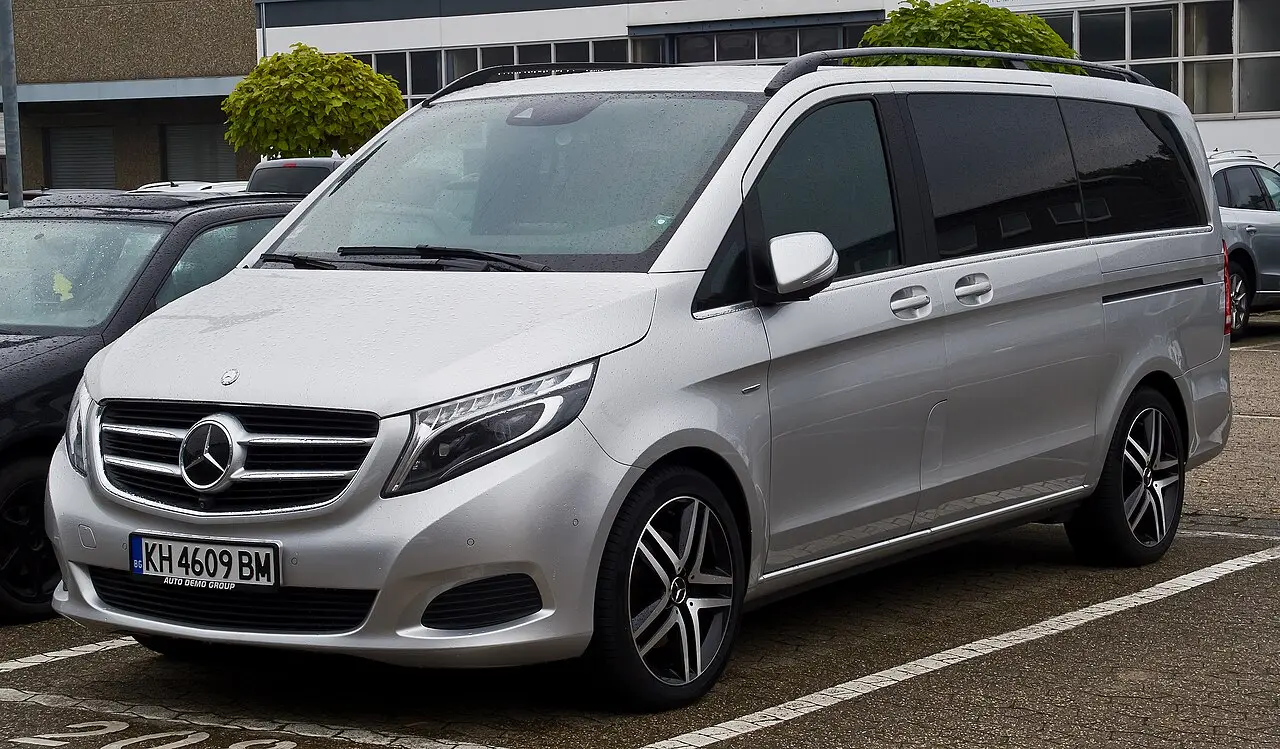
Photo: M 93 / Wikimedia Commons · CC BY-SA 3.0 de

Model codes: W447 · Sold in: European Union and United Kingdom · References: auto-motor-und-sport.de, en.wikipedia.org

European Union 70 versions

New cars registered in the EU (plus Norway and Iceland), from the European Environment Agency. Figures on the NEDC procedure until 2020 and on WLTP from 2021; versions are grouped by engine and power, with their number of registrations.

Years and versionEnginePowerFuelConsumption (combined)CO₂Electric rangeEU registrations
20252.0 L174 kW (237 PS)Diesel8.0 L/100 km WLTP209 g/km–15,933
20252.0 L140 kW (190 PS)Diesel7.7 L/100 km WLTP202 g/km–8,039
20252.0 L120 kW (163 PS)Diesel7.4 L/100 km WLTP194 g/km–3,184
20252.0 L170 kW (231 PS)Hybrid10.3 L/100 km WLTP234 g/km–544
20242.0 L174 kW (237 PS)Diesel8.0 L/100 km WLTP211 g/km–15,830
20242.0 L140 kW (190 PS)Diesel7.8 L/100 km WLTP205 g/km–9,037
20242.0 L120 kW (163 PS)Diesel7.5 L/100 km WLTP196 g/km–3,257
20242.0 L170 kW (231 PS)Hybrid10.3 L/100 km WLTP234 g/km–137
20242.0 L174 kW (237 PS)Diesel–209 g/km–12
20232.0 L174 kW (237 PS)Diesel8.2 L/100 km WLTP215 g/km–14,092
20232.0 L140 kW (190 PS)Diesel7.9 L/100 km WLTP207 g/km–8,540
20232.0 L120 kW (163 PS)Diesel7.5 L/100 km WLTP197 g/km–3,548
20232.0 L174 kW (237 PS)Diesel–223 g/km–40
20232.0 L120 kW (163 PS)Diesel–212 g/km–23
20232.0 L170 kW (231 PS)Petrol–312 g/km–11
20232.0 L140 kW (190 PS)Diesel–212 g/km–10
20222.0 L174 kW (237 PS)Diesel8.0 L/100 km WLTP215 g/km–12,990
20222.0 L140 kW (190 PS)Diesel7.7 L/100 km WLTP208 g/km–7,635
20222.0 L120 kW (163 PS)Diesel7.4 L/100 km WLTP196 g/km–5,026
20222.0 L174 kW (237 PS)Diesel–209 g/km–52
20222.0 L206 kW (280 PS)Diesel–202 g/km–19
20222.0 L120 kW (163 PS)Diesel–206 g/km–11
20222.0 L170 kW (231 PS)Petrol–––10
20212.0 L174 kW (237 PS)Diesel8.0 L/100 km WLTP215 g/km–17,686
20212.0 L140 kW (190 PS)Diesel7.7 L/100 km WLTP208 g/km–12,486
20212.0 L120 kW (163 PS)Diesel7.3 L/100 km WLTP197 g/km–7,325
20212.0 L176 kW (239 PS)Diesel7.8 L/100 km WLTP212 g/km–1,343
20212.0 L174 kW (237 PS)Diesel–207 g/km–58
20212.0 L155 kW (211 PS)Petrol–––58
20212.0 L120 kW (163 PS)Diesel–211 g/km–36
2021Electric motor150 kW (204 PS)Electric–0 g/km–26
20212.0 L140 kW (190 PS)Diesel–206 g/km–12
20202.0 L176 kW (239 PS)Diesel–168 g/km–22,458
20202.0 L140 kW (190 PS)Diesel–161 g/km–14,748
20202.0 L120 kW (163 PS)Diesel–159 g/km–8,584
20202.1 L140 kW (190 PS)Diesel–188 g/km–591
20202.1 L120 kW (163 PS)Diesel–181 g/km–202
2020Electric motor150 kW (204 PS)Electric–0 g/km–32
2020Electric motor70 kW (95 PS)Electric32.0 kWh/100 km NEDC0 g/km302 km16
20202.0 L120 kW (163 PS)Diesel–180 g/km–14
20192.1 L140 kW (190 PS)Diesel19.9 kWh/100 km NEDC188 g/km–20,190
20192.0 L176 kW (239 PS)Diesel–168 g/km–16,558
20192.0 L140 kW (190 PS)Diesel–162 g/km–10,242
20192.1 L120 kW (163 PS)Diesel–178 g/km–8,660
20192.0 L120 kW (163 PS)Diesel–158 g/km–6,394
20192.1 L100 kW (136 PS)Diesel–174 g/km–606
20192.0 L176 kW (239 PS)Diesel–235 g/km–94
20192.0 L120 kW (163 PS)Diesel–206 g/km–40
20192.0 L140 kW (190 PS)Diesel–207 g/km–20
2019Electric motor145 kW (197 PS)Electric–0 g/km–18
20192.0 L155 kW (211 PS)Petrol–210 g/km–18
20182.1 L140 kW (190 PS)Diesel–176 g/km–41,878
20182.1 L120 kW (163 PS)Diesel–165 g/km–12,270
20182.1 L100 kW (136 PS)Diesel–170 g/km–830
20172.1 L140 kW (190 PS)Diesel–168 g/km–41,850
20172.1 L120 kW (163 PS)Diesel–159 g/km–13,722
20172.1 L140 kW (190 PS)Other fuel–169 g/km–2,104
20172.1 L210 kW (286 PS)Diesel–170 g/km–1,448
20172.1 L100 kW (136 PS)Diesel–164 g/km–606
20172.1 L180 kW (245 PS)Diesel–161 g/km–116
20172.1 L150 kW (204 PS)Diesel–166 g/km–12
20162.1 L140 kW (190 PS)Diesel–167 g/km–39,414
20162.1 L120 kW (163 PS)Diesel–161 g/km–13,686
20162.1 L100 kW (136 PS)Diesel–166 g/km–502
20152.1 L140 kW (190 PS)Diesel–165 g/km–28,310
20152.1 L120 kW (163 PS)Diesel–154 g/km–12,772
20152.1 L100 kW (136 PS)Diesel–160 g/km–540
20142.1 L140 kW (190 PS)Diesel–157 g/km–11,442
20142.1 L120 kW (163 PS)Diesel–149 g/km–7,176
20142.1 L100 kW (136 PS)Diesel–155 g/km–148

United Kingdom 30 versions

New cars on sale in the UK, from the Vehicle Certification Agency. NEDC figures until 2018 and WLTP figures after; years are the editions a version appeared in.

Years and versionEnginePowerFuelGearboxConsumption (combined)CO₂
2025–2026V 220 d Premium Extra-Long2.0 L120 kW (163 PS)Diesel9-speed automatic7.4 L/100 km WLTP193 g/km
2025–2026V 220 d Premium Long2.0 L120 kW (163 PS)Diesel9-speed automatic7.3 L/100 km WLTP192 g/km
2026V 220 d Premium Extra-Long2.0 L120 kW (163 PS)Diesel9-speed automatic7.4 L/100 km WLTP194 g/km
2025–2026V 300 d Premium Long2.0 L174 kW (237 PS)Diesel9-speed automatic7.6 L/100 km WLTP199 g/km
2025–2026V 300 d Premium Extra-Long2.0 L174 kW (237 PS)Diesel9-speed automatic7.5 L/100 km WLTP198 g/km
2025–2026V 300 d Marco Polo2.0 L174 kW (237 PS)Diesel9-speed automatic7.9 L/100 km WLTP207 g/km
2026V 300 d Premium Long2.0 L174 kW (237 PS)Diesel9-speed automatic7.5 L/100 km WLTP199 g/km
2026V 300 d Marco Polo Premium Plus2.0 L174 kW (237 PS)Diesel9-speed automatic7.9 L/100 km WLTP206 g/km
2026V 300 d Marco Polo Premium Plus2.0 L174 kW (237 PS)Diesel9-speed automatic7.8 L/100 km WLTP206 g/km
2025V 300 d Premium Extra-Long2.0 L174 kW (237 PS)Diesel9-speed automatic7.5 L/100 km WLTP197 g/km
2025V 300 d Premium Long2.0 L174 kW (237 PS)Diesel9-speed automatic7.5 L/100 km WLTP196 g/km
2024V 220 d Premium Long2.0 L161 kW (219 PS)Diesel9-speed automatic7.2 L/100 km WLTP190 g/km
2024V 220 d Premium Extra-Long2.0 L161 kW (219 PS)Diesel9-speed automatic7.3 L/100 km WLTP192 g/km
2024V 220 d Premium Long2.0 L161 kW (219 PS)Diesel9-speed automatic7.3 L/100 km WLTP193 g/km
2024V 220 d Premium Extra-Long2.0 L161 kW (219 PS)Diesel9-speed automatic7.4 L/100 km WLTP194 g/km
2024V 300 d Premium Long2.0 L233 kW (317 PS)Diesel9-speed automatic7.4 L/100 km WLTP195 g/km
2024V 300 d Premium Extra-Long2.0 L233 kW (317 PS)Diesel9-speed automatic7.5 L/100 km WLTP196 g/km
2024V 300 d Premium Extra-Long2.0 L233 kW (317 PS)Diesel9-speed automatic7.6 L/100 km WLTP199 g/km
2024V 300 d Premium Long2.0 L233 kW (317 PS)Diesel9-speed automatic7.6 L/100 km WLTP200 g/km
2024V 300 d Marco Polo2.0 L233 kW (317 PS)Diesel9-speed automatic7.9 L/100 km WLTP207 g/km
2022–2023V 220 d extra-long2.0 L120 kW (163 PS)Diesel9-speed automatic7.5 L/100 km WLTP197 g/km
2022–2023V 220 d extra-long2.0 L120 kW (163 PS)Diesel9-speed automatic7.6 L/100 km WLTP199 g/km
2022–2023V 220 d long · V 220 d Marco Polo2.0 L120 kW (163 PS)Diesel9-speed automatic7.5 L/100 km WLTP198 g/km
2022–2023V 220 d long · V 220 d Marco Polo2.0 L120 kW (163 PS)Diesel9-speed automatic7.6 L/100 km WLTP201 g/km
2022–2023V 300 d extra-long2.0 L174 kW (237 PS)Diesel9-speed automatic7.5 L/100 km WLTP197 g/km
2022–2023V 300 d extra-long2.0 L174 kW (237 PS)Diesel9-speed automatic7.6 L/100 km WLTP199 g/km
2022–2023V 300 d long · V 300 d Marco Polo2.0 L174 kW (237 PS)Diesel9-speed automatic7.5 L/100 km WLTP198 g/km
2022–2023V 300 d long · V 300 d Marco Polo2.0 L174 kW (237 PS)Diesel9-speed automatic7.6 L/100 km WLTP201 g/km
2016–2017V 220 d extra long with 17'' rear wheels · V 220 d extra long with 18'' rear wheels · V 220 d extra long with 19'' rear wheels and 5 more trims2.1 L–Diesel7-speed automatic6.2 L/100 km NEDC163 g/km
2016–2017V 250 d extra long with 17'' rear wheels · V 250 d extra long with 18'' rear wheels · V 250 d extra long with 19'' rear wheels and 5 more trims2.1 L–Diesel7-speed automatic6.3 L/100 km NEDC166 g/km

Versions outside these generations

France 26 versions

New cars on sale in France, from ADEME Car Labelling. NEDC figures until 2015, WLTP figures in the current catalogue.

Years and versionEnginePowerFuelGearboxConsumption (combined)CO₂
2015V 200 CDI (136ch)–100 kW (136 PS)Diesel7-speed automatic5.8 L/100 km NEDC152 g/km
2015V 200 CDI (136ch)–100 kW (136 PS)Diesel6-speed manual6.1 L/100 km NEDC159 g/km
2015V 200 CDI (136ch)–100 kW (136 PS)Diesel6-speed manual6.3 L/100 km NEDC164 g/km
2015V 200 CDI (136ch)–100 kW (136 PS)Diesel7-speed automatic5.8 L/100 km NEDC152 g/km
2015V 200 CDI (136ch)–100 kW (136 PS)Diesel6-speed manual6.1 L/100 km NEDC159 g/km
2015V 200 CDI (136ch)–100 kW (136 PS)Diesel6-speed manual6.3 L/100 km NEDC164 g/km
2015V 200 CDI (136ch)–100 kW (136 PS)Diesel7-speed automatic5.9 L/100 km NEDC154 g/km
2015V 200 CDI (136ch)–100 kW (136 PS)Diesel6-speed manual6.2 L/100 km NEDC163 g/km
2015V 200 CDI (136ch)–100 kW (136 PS)Diesel6-speed manual6.4 L/100 km NEDC168 g/km
2015V 220 CDI (163ch)–120 kW (163 PS)Diesel7-speed automatic5.7 L/100 km NEDC149 g/km
2015V 220 CDI (163ch)–120 kW (163 PS)Diesel6-speed manual5.7 L/100 km NEDC149 g/km
2015V 220 CDI (163ch)–120 kW (163 PS)Diesel6-speed manual5.9 L/100 km NEDC154 g/km
2015V 220 CDI (163ch)–120 kW (163 PS)Diesel7-speed automatic5.7 L/100 km NEDC149 g/km
2015V 220 CDI (163ch)–120 kW (163 PS)Diesel6-speed manual5.7 L/100 km NEDC149 g/km
2015V 220 CDI (163ch)–120 kW (163 PS)Diesel6-speed manual5.9 L/100 km NEDC154 g/km
2015V 220 CDI (163ch)–120 kW (163 PS)Diesel7-speed automatic5.8 L/100 km NEDC152 g/km
2015V 220 CDI (163ch)–120 kW (163 PS)Diesel6-speed manual5.8 L/100 km NEDC152 g/km
2015V 220 CDI (163ch)–120 kW (163 PS)Diesel6-speed manual6.0 L/100 km NEDC157 g/km
2015V 250 BlueTEC (190ch)–140 kW (190 PS)Diesel7-speed automatic6.6 L/100 km NEDC174 g/km
2015V 250 BlueTEC (190ch)–140 kW (190 PS)Diesel7-speed automatic6.7 L/100 km NEDC177 g/km
2015V 250 BlueTEC (190ch)–140 kW (190 PS)Diesel7-speed automatic6.0 L/100 km NEDC157 g/km
2015MARCO POLO 250 BlueTEC (190ch)–140 kW (190 PS)Diesel7-speed automatic6.7 L/100 km NEDC177 g/km
2015MARCO POLO 250 BlueTEC (190ch)–140 kW (190 PS)Diesel7-speed automatic6.1 L/100 km NEDC159 g/km

Official figures are measured on standard test procedures and differ between markets. Your consumption depends on how, where and in what conditions you drive.