Mercedes-Benz

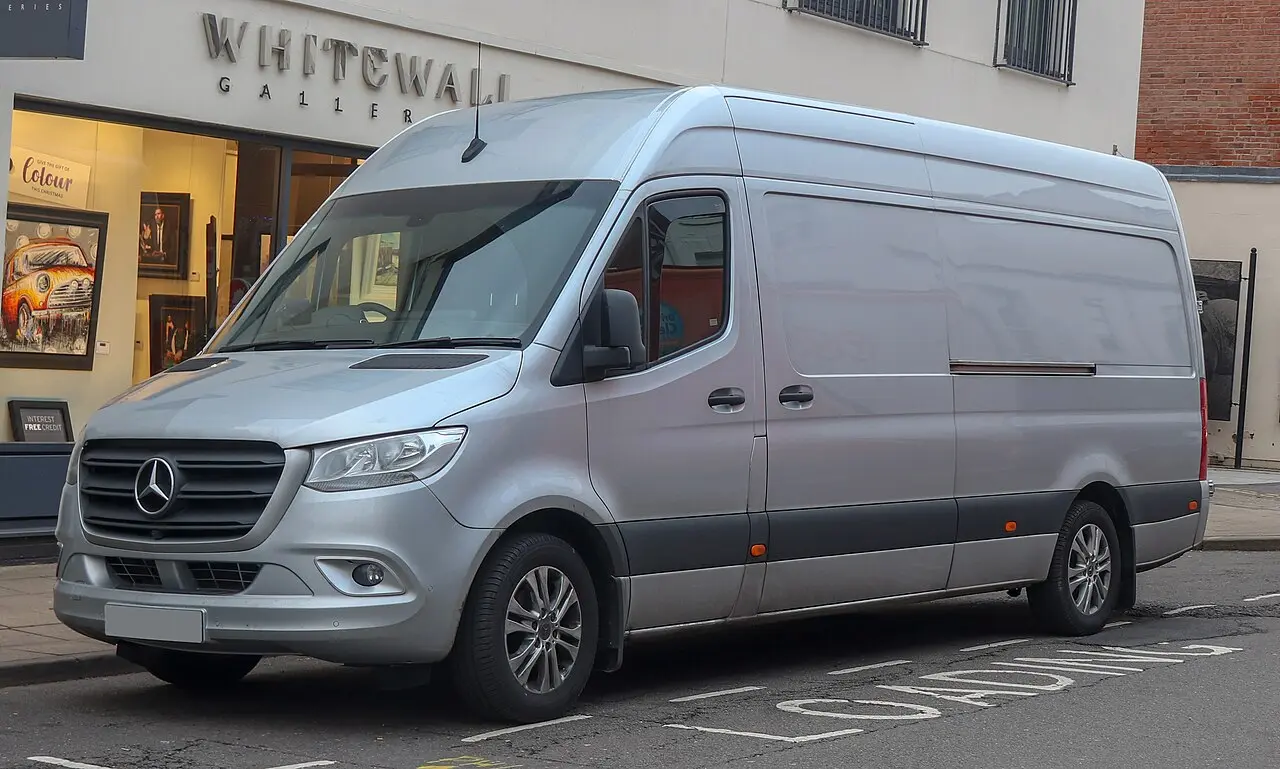
Mercedes-Benz Sprinter

Mercedes-Benz Sprinter
Photo: Vauxford / Wikimedia Commons · CC BY-SA 4.0

The official data lists 994 versions of the Mercedes-Benz Sprinter (2010–2025), in the European Union and France. Each market publishes its own figures, measured on its own test procedure.

At a glance

Years in the data
2010–2025
Markets
European Union, France
Engines
1.8 L to 3.0 L
Power
95 kW (129 PS) to 140 kW (190 PS)
Fuels
Diesel, Petrol, Natural gas, Electric
Lowest consumption (France)
6.3 L/100 km (NEDC)
Lowest consumption (European Union)
9.3 L/100 km (WLTP)
New registrations in the EU
81,649

What is the Mercedes-Benz Sprinter?

The Sprinter is a large light commercial van for businesses and organisations with varied transport needs. Depending on its configuration, it can carry cargo or passengers, or serve as a base for a specialist vehicle or camper conversion. It is one of the main models in Mercedes-Benz’s commercial vehicle range.

Sprinter generations

The second generation, known as W906, ran from 2006 to 2018. The third generation, W907 and W910, began in 2018. The newer generation brought a smoother shape, optional front-wheel drive and MBUX multimedia to a Mercedes-Benz van. The eSprinter added an electric version to the range.

Engines and power

EU listings include diesel, petrol, natural gas and electric Sprinters. Combustion engines range from 1.8 to 3.0 litres, with power from 80 kW (109 PS) to 180 kW (245 PS). Among the most common EU registration entries are 2.1-litre diesels, including a 120 kW (163 PS) version. In France, listed power ranges from 95 kW (129 PS) to 140 kW (190 PS), with diesel, petrol and natural-gas versions.

How economical is the Sprinter?

The lowest listed EU consumption is 9.3 L/100 km on WLTP for petrol, diesel and hybrid versions. France’s lowest listed figure is 6.3 L/100 km on NEDC. These European test procedures differ, so the results are not directly comparable. Consumption can also vary with the Sprinter’s body, load and configuration.

Questions and answers

When did the current Sprinter generation begin?

The third generation, designated W907 and W910, began in 2018.

What engines are listed for the Sprinter in the EU?

EU listings include engines from 1.8 to 3.0 litres, with outputs from 80 kW (109 PS) to 180 kW (245 PS), as well as electric versions.

What is the lowest listed EU consumption?

It is 9.3 L/100 km on the WLTP test for petrol, diesel and hybrid versions.
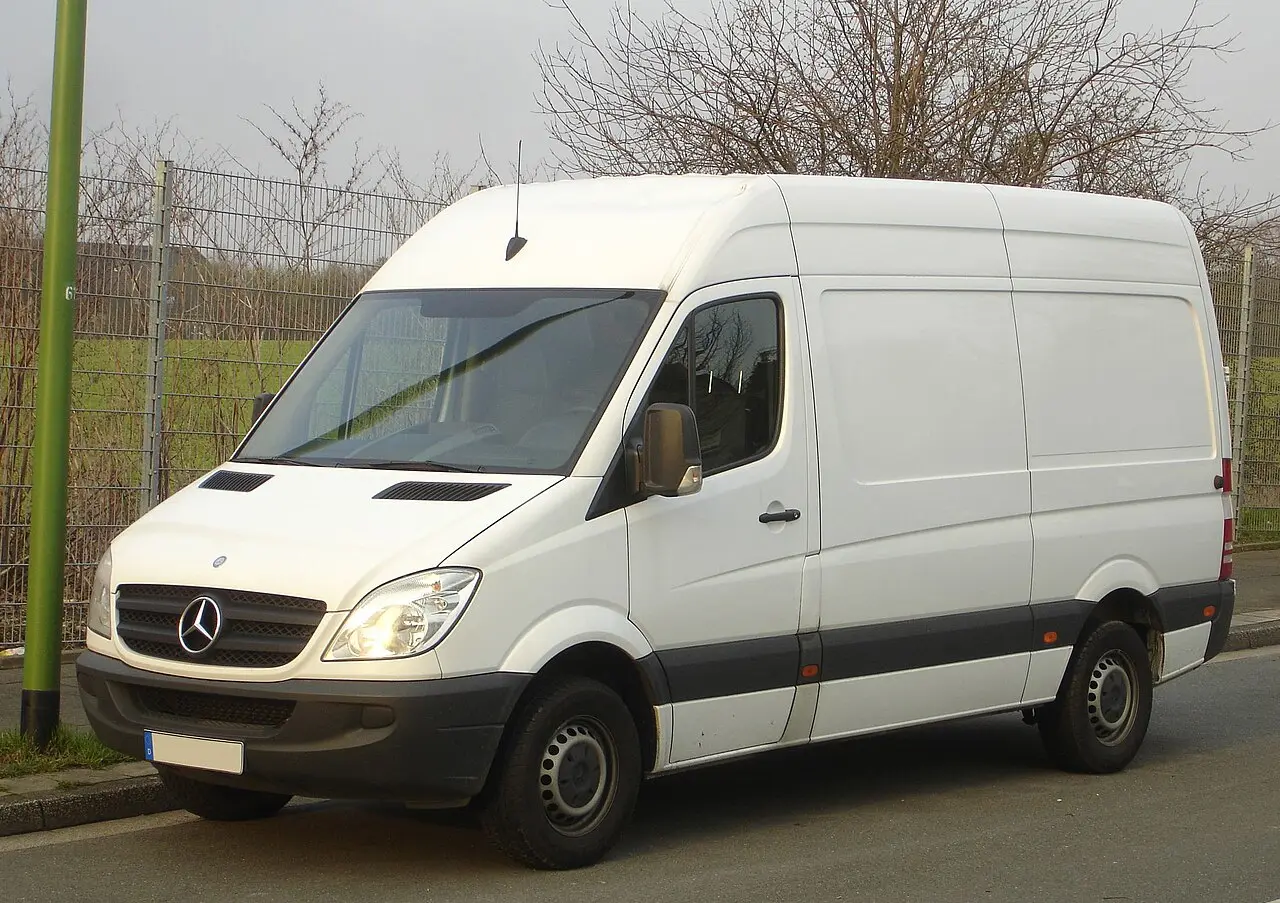
Sprinter II (2006–2018)

Mercedes-Benz Sprinter II
Photo: The original uploader was C-C-Baxter at German Wikipedia / Wikimedia Commons · CC BY-SA 3.0

Model codes: W906 · References: en.wikipedia.org, adac.de

Show all 955 versions

Sprinter III (since 2018)

Mercedes-Benz Sprinter III
Photo: Vauxford / Wikimedia Commons · CC BY-SA 4.0

Model codes: W907, W910 · References: en.wikipedia.org, adac.de

European Union 44 versions

New cars registered in the EU (plus Norway and Iceland), from the European Environment Agency. Figures on the NEDC procedure until 2020 and on WLTP from 2021; versions are grouped by engine and power, with their number of registrations.

Years and versionEnginePowerFuelConsumption (combined)CO₂Electric rangeEU registrations
20252.0 L125 kW (170 PS)Diesel10.7 L/100 km WLTP278 g/km–1,326
20252.0 L110 kW (150 PS)Diesel10.7 L/100 km WLTP281 g/km–874
20252.0 L140 kW (190 PS)Diesel12.0 L/100 km WLTP314 g/km–749
20252.0 L84 kW (114 PS)Diesel9.3 L/100 km WLTP245 g/km–256
2025Electric motor150 kW (204 PS)Electric34.7 kWh/100 km WLTP0 g/km244 km10
20242.0 L125 kW (170 PS)Diesel10.6 L/100 km WLTP282 g/km–1,218
20242.0 L110 kW (150 PS)Diesel10.8 L/100 km WLTP283 g/km–728
20242.0 L140 kW (190 PS)Diesel12.8 L/100 km WLTP336 g/km–633
20242.0 L84 kW (114 PS)Diesel9.3 L/100 km WLTP245 g/km–214
20232.0 L125 kW (170 PS)Diesel10.8 L/100 km WLTP282 g/km–1,243
20232.0 L110 kW (150 PS)Diesel10.8 L/100 km WLTP283 g/km–803
20232.0 L140 kW (190 PS)Diesel12.2 L/100 km WLTP317 g/km–542
20232.0 L84 kW (114 PS)Diesel9.3 L/100 km WLTP244 g/km–193
20222.0 L125 kW (170 PS)Diesel10.3 L/100 km WLTP282 g/km–605
20222.0 L110 kW (150 PS)Diesel10.6 L/100 km WLTP283 g/km–531
20222.0 L140 kW (190 PS)Diesel12.0 L/100 km WLTP320 g/km–191
20222.0 L84 kW (114 PS)Diesel9.3 L/100 km WLTP245 g/km–157
20222.1 L120 kW (163 PS)Diesel10.3 L/100 km WLTP295 g/km–95
20222.1 L105 kW (143 PS)Diesel9.4 L/100 km WLTP289 g/km–85
20223.0 L140 kW (190 PS)Diesel12.1 L/100 km WLTP342 g/km–37
20222.1 L84 kW (114 PS)Diesel9.5 L/100 km WLTP250 g/km–19
20212.1 L120 kW (163 PS)Diesel10.5 L/100 km WLTP300 g/km–1,751
20213.0 L140 kW (190 PS)Diesel11.5 L/100 km WLTP335 g/km–994
20212.1 L105 kW (143 PS)Diesel9.9 L/100 km WLTP293 g/km–924
20212.1 L84 kW (114 PS)Diesel9.3 L/100 km WLTP250 g/km–454
20212.1 L125 kW (170 PS)Diesel14.0 L/100 km WLTP367 g/km–16
20202.1 L120 kW (163 PS)Diesel–185 g/km–2,499
20202.1 L105 kW (143 PS)Diesel–188 g/km–1,159
20203.0 L140 kW (190 PS)Diesel–228 g/km–876
20202.1 L84 kW (114 PS)Diesel–195 g/km–342
20202.0 L140 kW (190 PS)Diesel–205 g/km–16
20192.1 L120 kW (163 PS)Diesel–189 g/km–3,798
20192.1 L105 kW (143 PS)Diesel–186 g/km–2,008
20193.0 L140 kW (190 PS)Diesel–226 g/km–974
20192.1 L84 kW (114 PS)Diesel–191 g/km–746
20192.0 L140 kW (190 PS)Diesel–201 g/km–38
20192.0 L105 kW (143 PS)Diesel–295 g/km–12
20192.0 L125 kW (170 PS)Diesel–221 g/km–12
20192.0 L155 kW (211 PS)Diesel–297 g/km–10
20182.1 L120 kW (163 PS)Diesel–188 g/km–2,508
20182.1 L105 kW (143 PS)Diesel–190 g/km–1,626
20183.0 L140 kW (190 PS)Diesel–226 g/km–758
20182.1 L84 kW (114 PS)Diesel–195 g/km–254
20181.8 L115 kW (156 PS)Natural gas–223 g/km–14

Official figures are measured on standard test procedures and differ between markets. Your consumption depends on how, where and in what conditions you drive.