Mercedes-Benz

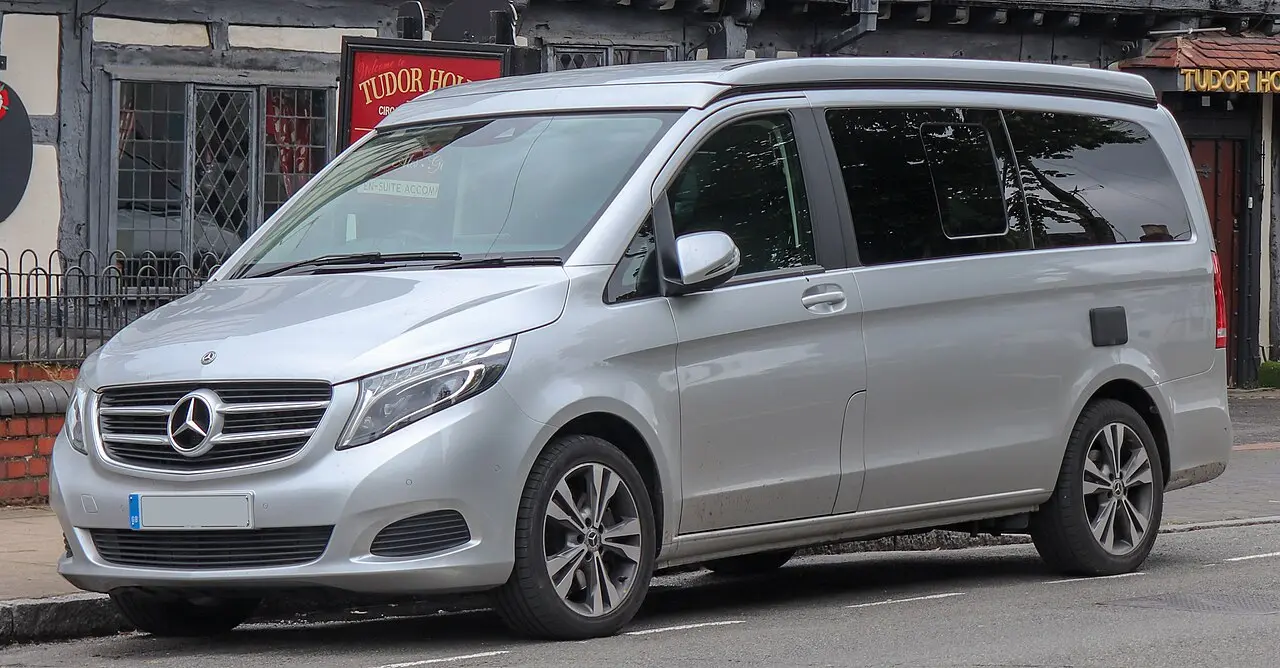
Mercedes-Benz Marco Polo

Mercedes-Benz Marco Polo
Photo: Vauxford / Wikimedia Commons · CC BY-SA 4.0

The official data lists 56 versions of the Mercedes-Benz Marco Polo (2015–2025), in the European Union. Each market publishes its own figures, measured on its own test procedure.

At a glance

Years in the data
2015–2025
Markets
European Union
Engines
1.6 L to 2.1 L
Power
65 kW (88 PS) to 210 kW (286 PS)
Fuels
Diesel
Lowest consumption (European Union)
7.3 L/100 km (WLTP)
New registrations in the EU
28,860

What is the Mercedes-Benz Marco Polo?

The Marco Polo is a camper based on the Mercedes-Benz V-Class, combining passenger-van space with a fitted living area for trips and overnight stays. It sits within the brand’s van range, with a layout suited to travel as well as everyday use.

The current generation is the third, the W447, introduced in 2014. Its passenger-van design includes features such as body-coloured bumpers, with MULTIBEAM LED headlights available as an option.

Engines and power

EU registration figures list diesel engines from 1.6 to 2.1 litres, with power from 65 kW (88 PS) to 210 kW (286 PS). The most registered configurations included a 2.1-litre diesel rated at 140 kW (190 PS), followed by a 1.9-litre diesel rated at 174 kW (237 PS).

How economical is the Mercedes-Benz Marco Polo?

The lowest listed EU consumption is 7.3 L/100 km on the WLTP test. EU registration figures span 2015 to 2025 and include 56 versions. The listed fuel type is diesel, and consumption varies by engine and version.

Where was the Marco Polo sold?

In official EU and EEA registration figures, 28,860 Marco Polos were registered from 2015 to 2025. The camper combines the room of a passenger van with a living space designed for travel and overnight stays.

Questions and answers

What generation is the Mercedes-Benz Marco Polo?

The third generation, W447, was introduced in 2014.

What engines and power are listed for the Marco Polo?

EU registrations list diesel engines from 1.6 to 2.1 litres, with power from 65 kW (88 PS) to 210 kW (286 PS).

What is the lowest listed fuel consumption?

The lowest listed EU figure is 7.3 L/100 km on the WLTP test.

Where was the Marco Polo registered?

Official figures record EU and EEA registrations from 2015 to 2025.

Marco Polo III (since 2014)

Mercedes-Benz Marco Polo III
Photo: Vauxford / Wikimedia Commons · CC BY-SA 4.0

Model codes: W447 · Sold in: European Union · References: carscope.io

European Union 56 versions

New cars registered in the EU (plus Norway and Iceland), from the European Environment Agency. Figures on the NEDC procedure until 2020 and on WLTP from 2021; versions are grouped by engine and power, with their number of registrations.

Years and versionEnginePowerFuelConsumption (combined)CO₂EU registrations
20252.0 L174 kW (237 PS)Diesel8.3 L/100 km WLTP217 g/km543
20252.0 L140 kW (190 PS)Diesel8.1 L/100 km WLTP212 g/km194
20252.0 L120 kW (163 PS)Diesel7.7 L/100 km WLTP204 g/km44
20242.0 L174 kW (237 PS)Diesel8.5 L/100 km WLTP223 g/km400
20242.0 L140 kW (190 PS)Diesel8.3 L/100 km WLTP217 g/km111
20242.0 L120 kW (163 PS)Diesel7.7 L/100 km WLTP203 g/km48
20242.0 L100 kW (136 PS)Diesel7.4 L/100 km WLTP193 g/km36
20232.0 L174 kW (237 PS)Diesel8.5 L/100 km WLTP223 g/km747
20232.0 L140 kW (190 PS)Diesel8.3 L/100 km WLTP216 g/km367
20232.0 L120 kW (163 PS)Diesel7.7 L/100 km WLTP201 g/km284
20232.0 L100 kW (136 PS)Diesel7.6 L/100 km WLTP200 g/km74
20222.0 L174 kW (237 PS)Diesel8.5 L/100 km WLTP224 g/km864
20222.0 L140 kW (190 PS)Diesel8.2 L/100 km WLTP215 g/km686
20222.0 L120 kW (163 PS)Diesel7.8 L/100 km WLTP204 g/km336
20222.0 L100 kW (136 PS)Diesel7.9 L/100 km WLTP208 g/km34
20212.0 L174 kW (237 PS)Diesel8.4 L/100 km WLTP225 g/km1,912
20212.0 L140 kW (190 PS)Diesel8.1 L/100 km WLTP216 g/km1,470
20212.0 L120 kW (163 PS)Diesel7.7 L/100 km WLTP205 g/km616
20212.0 L176 kW (239 PS)Diesel8.6 L/100 km WLTP228 g/km157
20212.0 L100 kW (136 PS)Diesel7.3 L/100 km WLTP197 g/km132
20211.8 L75 kW (102 PS)Diesel7.8 L/100 km WLTP200 g/km105
20211.8 L100 kW (136 PS)Diesel7.9 L/100 km WLTP207 g/km21
20202.0 L176 kW (239 PS)Diesel–175 g/km1,690
20202.0 L140 kW (190 PS)Diesel–170 g/km1,568
20202.0 L120 kW (163 PS)Diesel–163 g/km823
20202.1 L140 kW (190 PS)Diesel–200 g/km132
20201.8 L100 kW (136 PS)Diesel–180 g/km79
20202.0 L100 kW (136 PS)Diesel–160 g/km61
20201.8 L75 kW (102 PS)Diesel–173 g/km45
20202.1 L120 kW (163 PS)Diesel–189 g/km38
20202.1 L100 kW (136 PS)Diesel–179 g/km34
20192.1 L140 kW (190 PS)Diesel–197 g/km1,762
20192.1 L120 kW (163 PS)Diesel–184 g/km896
20192.0 L176 kW (239 PS)Diesel–176 g/km776
20192.0 L140 kW (190 PS)Diesel–169 g/km638
20192.0 L120 kW (163 PS)Diesel–164 g/km374
20191.6 L84 kW (114 PS)Diesel–164 g/km250
20192.1 L100 kW (136 PS)Diesel–176 g/km150
20192.0 L100 kW (136 PS)Diesel–165 g/km18
20182.1 L140 kW (190 PS)Diesel–177 g/km2,222
20182.1 L120 kW (163 PS)Diesel–168 g/km948
20181.6 L84 kW (114 PS)Diesel–164 g/km342
20182.1 L100 kW (136 PS)Diesel–168 g/km87
20172.1 L140 kW (190 PS)Diesel–169 g/km1,818
2016–20171.6 L84 kW (114 PS)Diesel–164 g/km940
20172.1 L120 kW (163 PS)Diesel–162 g/km650
20172.1 L100 kW (136 PS)Diesel–166 g/km90
20172.1 L210 kW (286 PS)Diesel–174 g/km68
20162.1 L140 kW (190 PS)Diesel–170 g/km810
20162.1 L120 kW (163 PS)Diesel–159 g/km360
20162.1 L100 kW (136 PS)Diesel–166 g/km110
20152.1 L140 kW (190 PS)Diesel–162 g/km584
20151.6 L65 kW (88 PS)Diesel–165 g/km434
20151.6 L84 kW (114 PS)Diesel–167 g/km342
20152.1 L120 kW (163 PS)Diesel–153 g/km314
20152.1 L100 kW (136 PS)Diesel–159 g/km226

Official figures are measured on standard test procedures and differ between markets. Your consumption depends on how, where and in what conditions you drive.