What does the Mercedes-Benz 300 name cover?
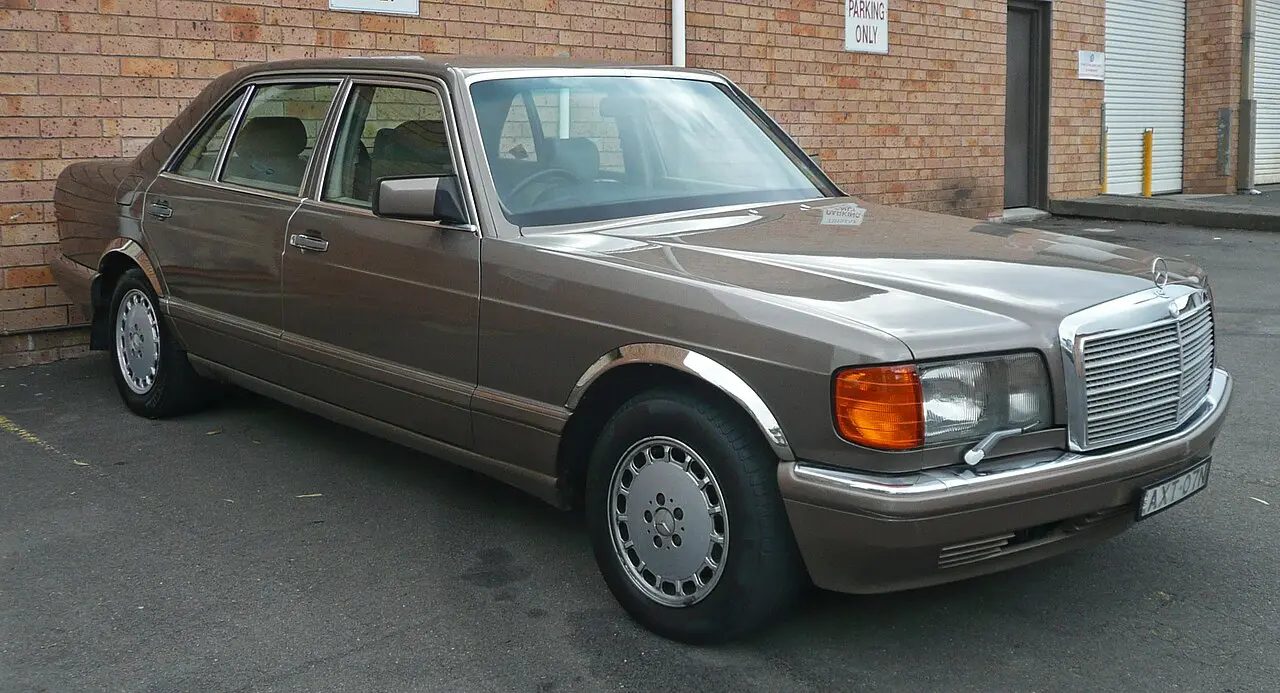
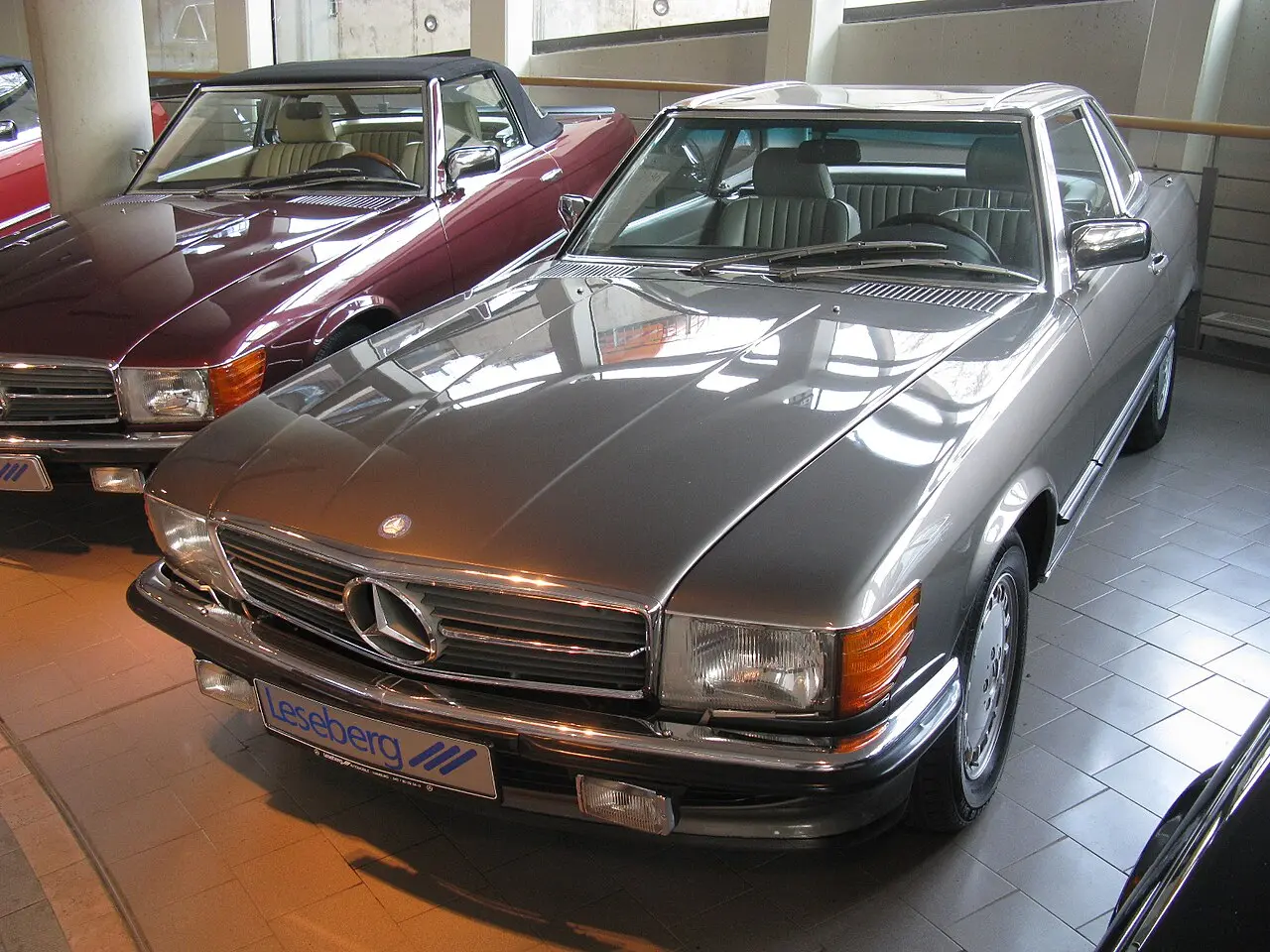
Mercedes-Benz used the 300 name across several model lines and body styles. In the US figures for 1984 to 1993, it spans an open-top SL, the W124 saloon and related body styles, and the large W140 saloon.
The R107 SL was also offered as the C107 coupé. The W124 family included saloon, estate, coupé and cabriolet forms, while the W140 was a larger saloon. The 300 badge therefore appeared on cars with different roles, from open-air touring to family and formal travel.
Generations and engines
The R107 appears in the model years from 1984 to 1989. The W124 runs from 1984 to 1993, while the W140 appears from 1991 to 1993. These overlapping periods represent distinct 300-badged cars rather than a single generation replacing another.
Across the US EPA range, engines span 2.5 L to 3.8 L, with petrol and diesel options. The badge covered cars suited to different kinds of driving, from an open-top SL to saloon and estate models.
How economical is the Mercedes-Benz 300?
The best combined EPA rating for the US range is 26 MPG. Its lowest listed consumption is 9 L/100 km under the EPA procedure. EPA tests differ from European WLTP or NEDC tests, so results from different regions are not directly comparable.
Where was the 300 sold?
The US market figures cover 1984 to 1993. They include petrol and diesel models with engines from 2.5 L to 3.8 L, across several Mercedes-Benz model lines.
Questions and answers
Was the Mercedes-Benz 300 one specific car?
The 300 name covered several model lines, including the R107, W124 and W140 in the US figures.
What body styles did the 300 range include?
The listed model lines include the R107 SL roadster and C107 coupé, W124 saloon, estate, coupé and cabriolet forms, and the W140 saloon.
What is the best combined EPA rating listed?
The best combined rating shown for the US range is 26 MPG.