Mazda

Mazda B2600

Mazda B2600
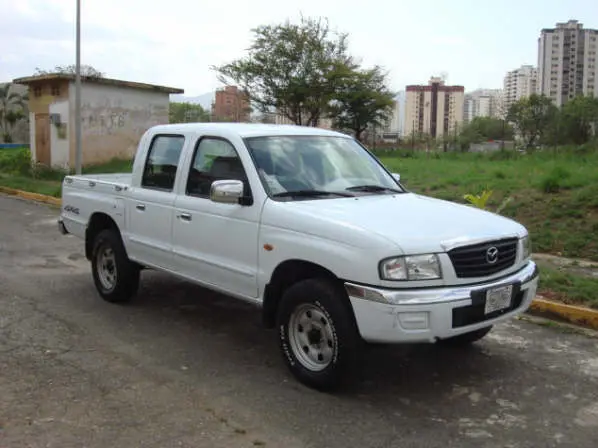
Photo: Titobesttalon / Wikimedia Commons · Public domain

The official data lists 4 versions of the Mazda B2600 (1987–1988), in the United States. Each market publishes its own figures, measured on its own test procedure.

At a glance

Years in the data
1987–1988
Markets
United States
Engines
2.6 L
Fuels
Petrol
Lowest consumption (United States)
13.8 L/100 km (EPA)

What is the Mazda B2600?

The B2600 is a pickup from Mazda’s B-series, a line of practical trucks. Its open bed gives it room for bulky cargo, while the cab makes it useful for everyday driving as well. The model name reflects its 2.6-litre engine.

Engines and power

The listed US B2600 versions have a 2.6-litre petrol engine.

How economical is the Mazda B2600?

The US EPA combined rating is 17 MPG, or 13.8 L/100 km. The EPA test procedure differs from Europe’s WLTP and NEDC tests and Canada’s five-cycle procedure.

Where was the Mazda B2600 sold?

The US figures cover 1987 to 1988 and describe petrol B2600 pickup versions.

Questions and answers

What type of vehicle is the Mazda B2600?

A pickup from Mazda’s B-series truck line.

What engine is listed for the US B2600?

A 2.6-litre petrol engine.

What is its EPA fuel economy?

The combined rating is 17 MPG, or 13.8 L/100 km.

For which years do the US figures apply?

1987 to 1988.

All B2600 versions

United States 4 versions

Model years sold in the USA, from the EPA and the Department of Energy (fueleconomy.gov). MPG on the EPA test; litres per 100 km = 235.215 ÷ MPG.

Years and versionEngineFuelGearboxDriveConsumption (combined)CO₂
1988(FFS), CLKUP2.6 LPetrol3-speed automaticFour- or all-wheel drive16 MPG (14.7 L/100 km) EPA345 g/km
1988(FFS)2.6 LPetrol5-speed manualFour- or all-wheel drive17 MPG (13.8 L/100 km) EPA325 g/km
1987(FFS)2.6 LPetrol3-speed automaticFour- or all-wheel drive15 MPG (15.7 L/100 km) EPA368 g/km
1987(FFS)2.6 LPetrol5-speed manualFour- or all-wheel drive16 MPG (14.7 L/100 km) EPA345 g/km

Official figures are measured on standard test procedures and differ between markets. Your consumption depends on how, where and in what conditions you drive.