What is the Mazda 323?
The Mazda 323 was a compact family car, sold in Japan as the Familia and under different names in other markets. It came in several body styles over its long history, including hatchbacks and sedans. The 323F added a five-door hatchback with a sleek, coupé-like profile and the practicality of a rear hatch.
Mazda 323 generations
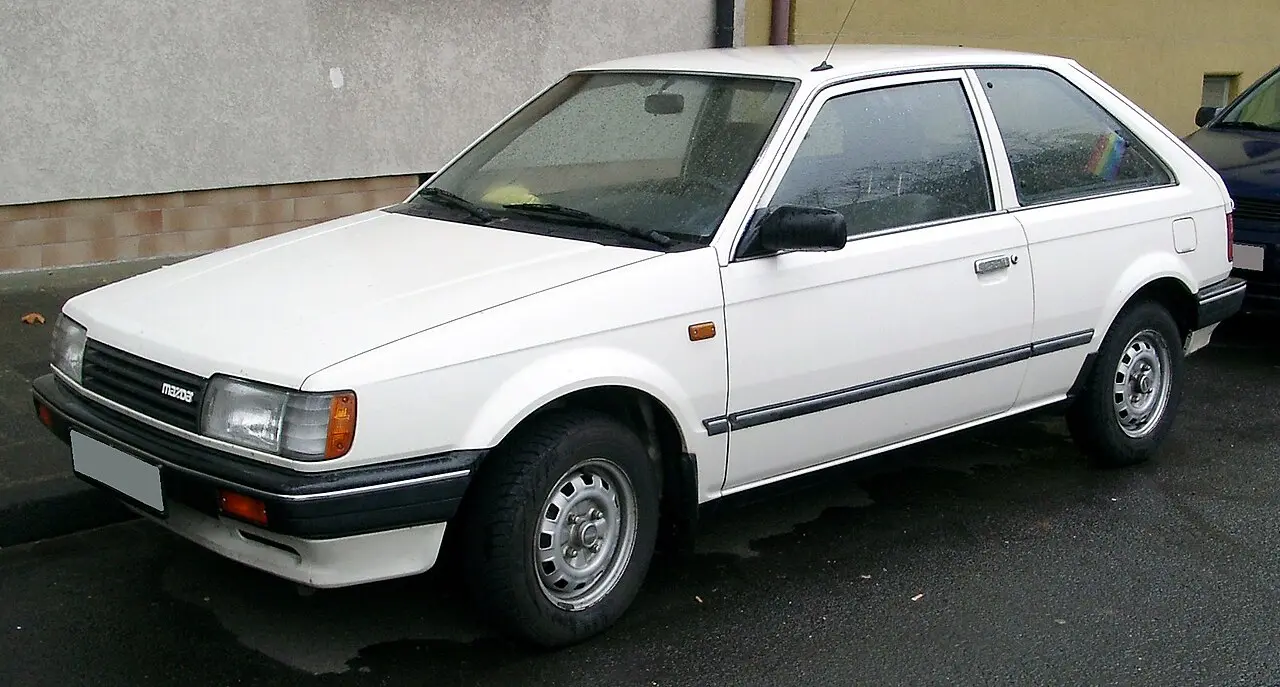
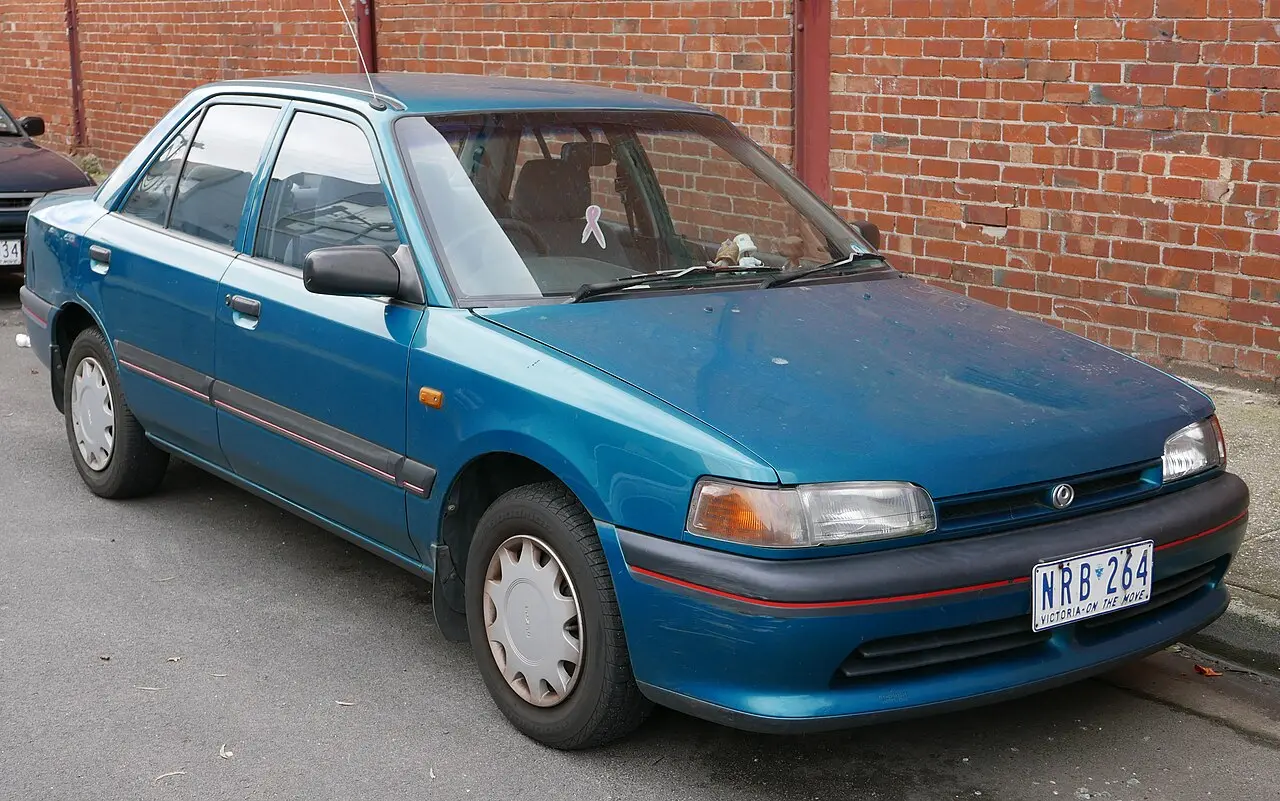
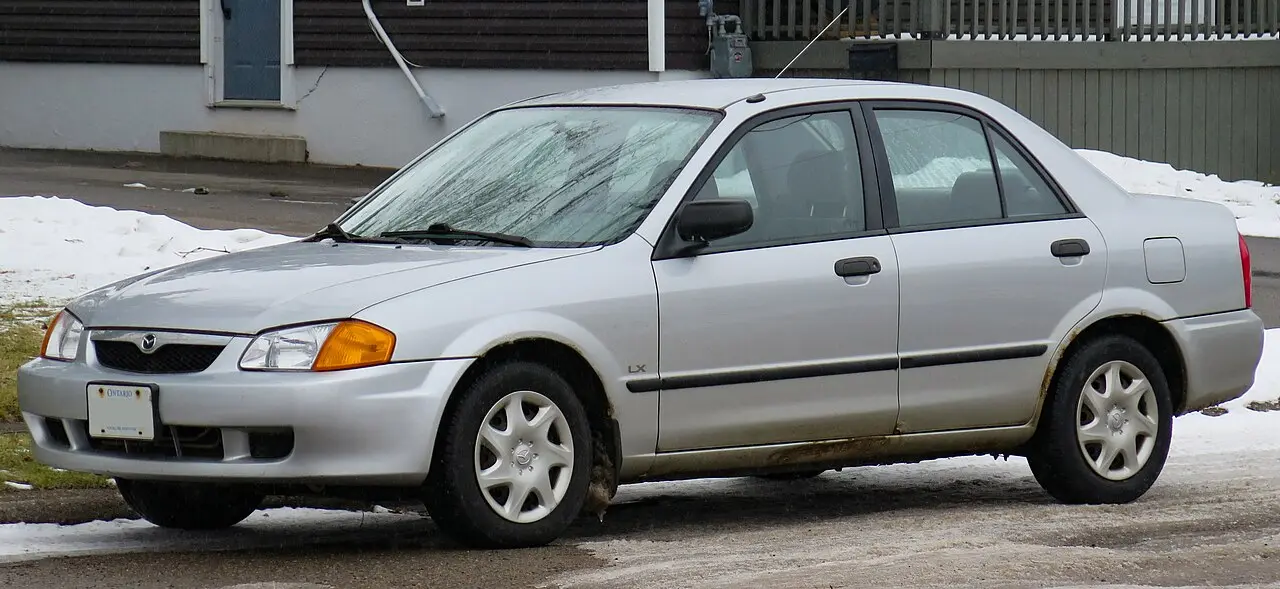
The generations in these markets are the 323 BF (1986–1989), 323 BG (1990–1994) and 323 BJ (2000–2003). The BF and BG appear in the US figures, while the BJ appears in the UK figures. Across its generations, the Familia and 323 range evolved from hatchbacks and sedans to more distinctive shapes, including the five-door Astina sold in Europe as the 323F.
Engines and fuel consumption
In the UK, the 2000–2003 range included 1.3 L to 2.0 L petrol and diesel engines. Its lowest stated official consumption is 5.1 L/100 km on the NEDC test. In the US, the listed petrol engines run from 1.6 L to 1.8 L, with an EPA best combined rating of 28 MPG, or 8.4 L/100 km. Canada’s 1995 range included 1.5 L to 1.8 L petrol engines, with a lowest rating of 8 L/100 km on the NRCan five-cycle test. These market results use different test procedures, so they are not direct like-for-like comparisons.
Where was the Mazda 323 sold?
The figures cover the United Kingdom for 2000–2003, the United States for 1986–1995, and Canada for 1995. The US and Canadian entries are petrol-only, while the UK range includes petrol and diesel.
Questions and answers
Was the Mazda 323 offered with diesel engines?
Yes. The UK range included petrol and diesel engines; the US and Canadian entries are petrol-only.
Which generation appears in the UK figures?
The UK figures cover the 323 BJ, for 2000–2003.
What is the lowest official consumption figure listed for the 323?
The lowest stated figure is 5.1 L/100 km for the UK range on the NEDC test.