The official data lists 76 versions of the Lotus Elise (2000–2026), in the European Union, the United Kingdom, France, and the United States. Each market publishes its own figures, measured on its own test procedure.
At a glance
Years in the data
2000–2026
Markets
European Union, United Kingdom, France, United States
Engines
1.6 L to 1.8 L
Power
100 kW (136 PS) to 248 kW (337 PS)
Fuels
Petrol
Lowest consumption (France)
6.3 L/100 km (NEDC)
Lowest consumption (United Kingdom)
6.3 L/100 km (NEDC)
Lowest consumption (European Union)
7.8 L/100 km (WLTP)
New registrations in the EU
6,402
What is the Lotus Elise?
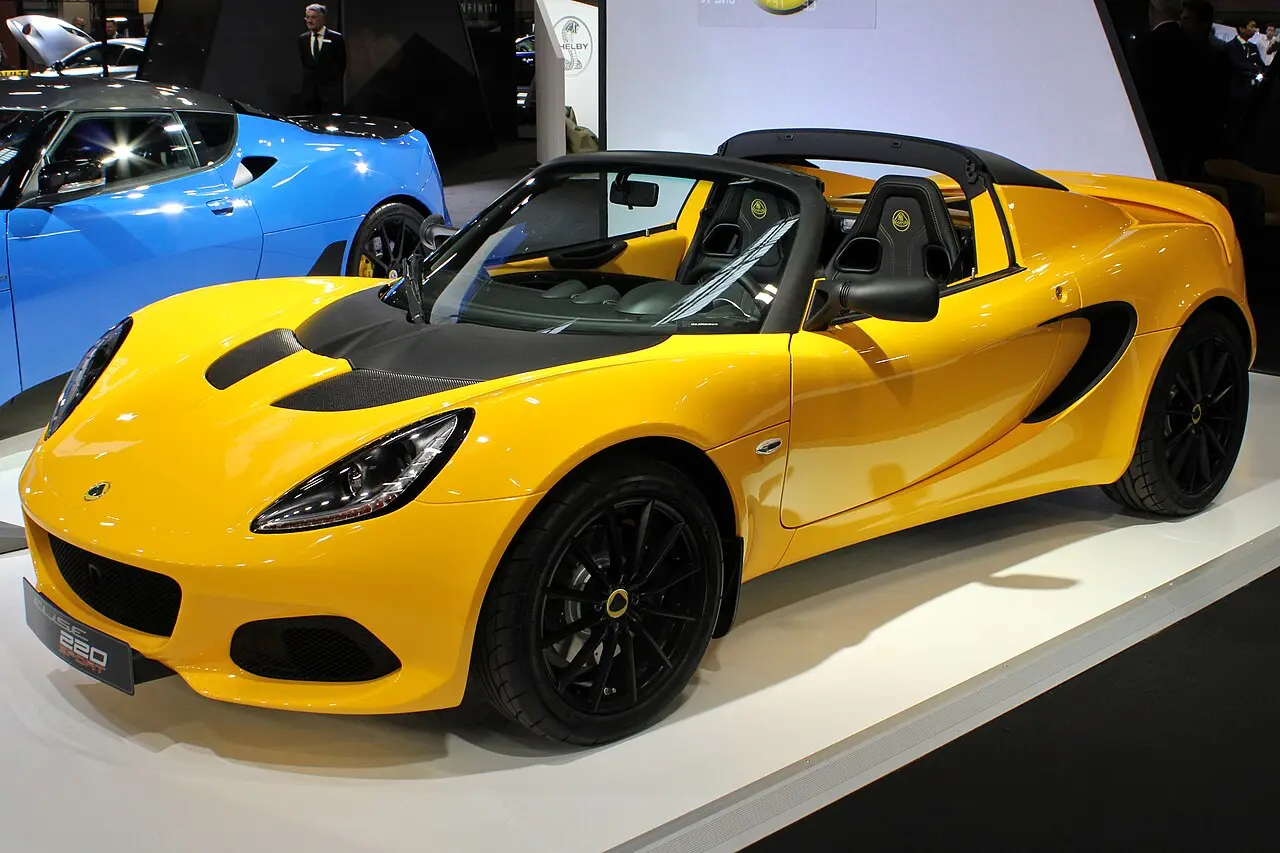
The Elise is a compact, two-seat sports car built around Lotus’s focus on light weight and responsive handling. Its small footprint and open top suit drivers who enjoy an involving drive on ordinary roads or on a circuit. It sat at the more accessible end of Lotus’s sports car range.
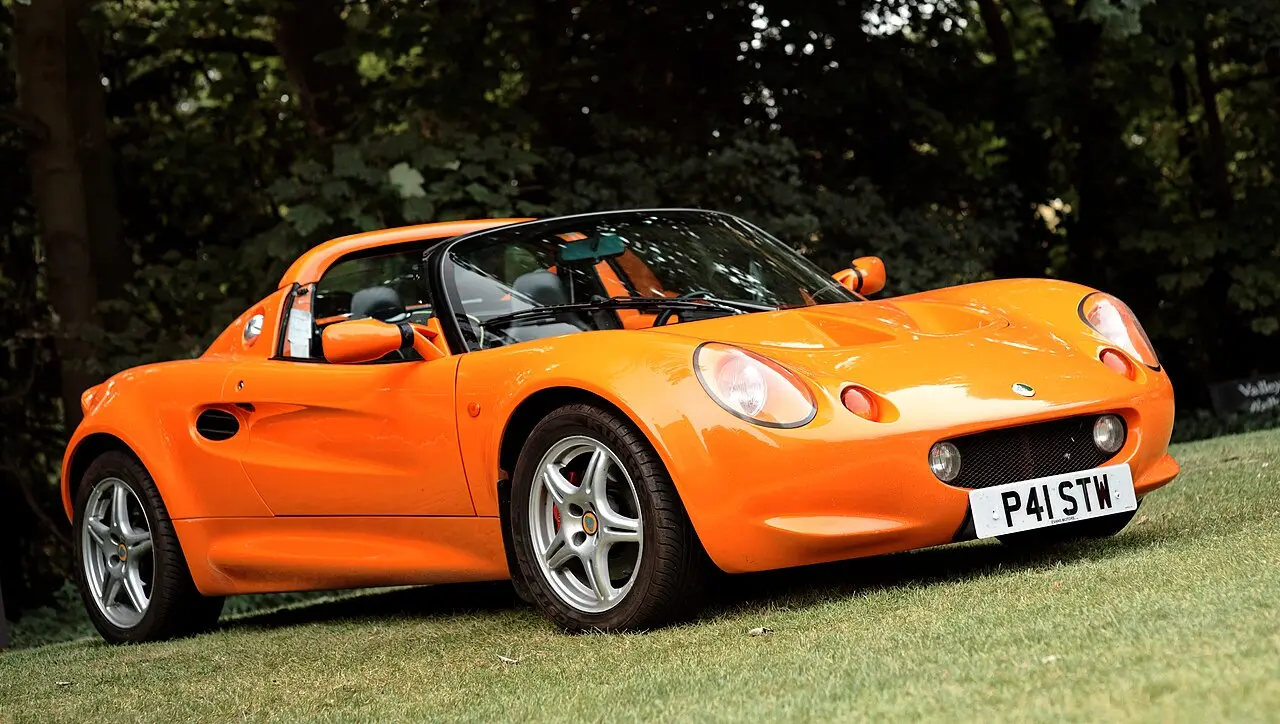
The Elise made its public debut in the 1990s with a bonded aluminium chassis, a distinctive feature that helped define the car. Its styling, chassis details and engines changed over time, while it retained its lightweight, driver-focused character.
Elise generations
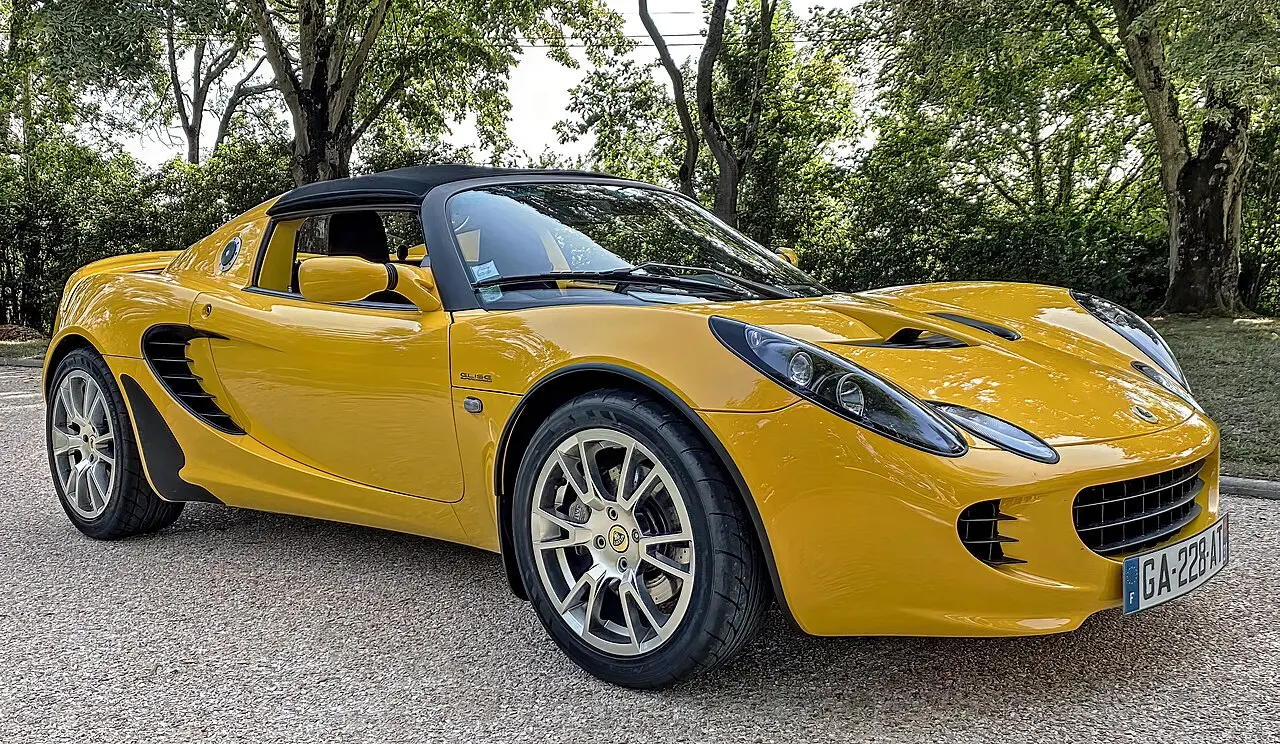
The Series 1 ran from 1996 to 2001. The Series 2 followed from 2001 to 2010, with a new exterior design and revisions to the chassis and suspension. The Series 3, sold from 2011 to 2021, continued the Type 111 lineage with further updates.
Engines, power and fuel consumption
In the European Union, registration figures span 2010–2022 and include 1.6 L and 1.8 L petrol engines, with power from 100 kW (136 PS) to 183 kW (249 PS). The lowest listed consumption is 7.8 L/100 km on WLTP. EU registrations total 6,402. The most registered listed version was the 1.8 L petrol with 162 kW (220 PS), recorded for 2018–2020, with 1,131 registrations.
UK VCA figures span 2000–2026 and show 1.6 L to 1.8 L petrol engines, with power from 162 kW (220 PS) to 248 kW (337 PS). The lowest listed result is 6.3 L/100 km on NEDC. France’s ADEME figures for 2013–2014 show power from 100 kW (136 PS) to 162 kW (220 PS), and a lowest listed result of 6.3 L/100 km on NEDC. US EPA figures span 2005–2011 for 1.8 L petrol versions, with a best combined result of 23 MPG and a listed low of 10.2 L/100 km. WLTP and NEDC are European test procedures; the EPA uses its own procedure, so results are not directly comparable.
Where was the Elise sold?
The Elise was sold in the UK and Europe, and the Series 2 also reached the United States. EU registration figures span 2010–2022, UK VCA figures 2000–2026, French ADEME figures 2013–2014 and US EPA figures 2005–2011.
Questions and answers
What engines were available in the Elise?
The listed European and UK versions use 1.6 L or 1.8 L petrol engines. EU power figures range from 100 kW (136 PS) to 183 kW (249 PS).
What is the Elise’s lowest official fuel consumption?
The lowest listed figure is 6.3 L/100 km on NEDC in the UK and French figures. The lowest EU figure is 7.8 L/100 km on WLTP. These use different test procedures.
How many Elise generations were there?
Three: Series 1 (1996–2001), Series 2 (2001–2010) and Series 3 (2011–2021).
Was the Elise sold in the United States?
Yes. US EPA figures span 2005–2011 for 1.8 L petrol versions, with a best combined result of 23 MPG.
Model codes: Type 111 · Sold in: United Kingdom, European Union, and France · References: lotuscars.com, en.wikipedia.org
European Union 33 versions
New cars registered in the EU (plus Norway and Iceland), from the European Environment Agency. Figures on the NEDC procedure until 2020 and on WLTP from 2021; versions are grouped by engine and power, with their number of registrations.
Years and version
Engine
Power
Fuel
CO₂
EU registrations
2021–2022
1.8 L
183 kW (249 PS)
Petrol
177 g/km
113
2021
1.8 L
179 kW (243 PS)
Petrol
177 g/km
164
2021
1.8 L
162 kW (220 PS)
Petrol
179 g/km
106
2021
1.8 L
182 kW (247 PS)
Petrol
177 g/km
50
2021
1.8 L
178 kW (242 PS)
Petrol
177 g/km
44
2021
1.8 L
161 kW (219 PS)
Petrol
177 g/km
40
2018–2020
1.8 L
162 kW (220 PS)
Petrol
173 g/km
1,131
2018–2020
1.8 L
161 kW (219 PS)
Petrol
173 g/km
272
2016–2020
1.8 L
182 kW (247 PS)
Petrol
175 g/km
226
2020
1.8 L
183 kW (249 PS)
Petrol
175 g/km
62
2018–2019
1.8 L
183 kW (249 PS)
Petrol
175 g/km
154
2018–2019
1.6 L
100 kW (136 PS)
Petrol
149 g/km
80
2017
1.8 L
162 kW (220 PS)
Petrol
174 g/km
326
2017
1.6 L
100 kW (136 PS)
Other fuel
149 g/km
90
2017
1.8 L
161 kW (219 PS)
Petrol
173 g/km
84
2017
1.8 L
183 kW (249 PS)
Petrol
175 g/km
50
2017
1.6 L
–
Petrol
149 g/km
20
2014–2016
1.6 L
100 kW (136 PS)
Petrol
149 g/km
466
2016
1.8 L
162 kW (220 PS)
Petrol
175 g/km
364
2016
1.8 L
161 kW (219 PS)
Petrol
173 g/km
112
2015
1.8 L
162 kW (220 PS)
Petrol
174 g/km
348
2015
1.8 L
161 kW (219 PS)
Petrol
173 g/km
100
2015
1.8 L
162 kW (220 PS)
Petrol
173 g/km
12
2014
1.8 L
162 kW (220 PS)
Petrol
174 g/km
214
2014
1.8 L
161 kW (219 PS)
Petrol
174 g/km
60
2012–2013
1.8 L
162 kW (220 PS)
Petrol
175 g/km
305
2013
1.6 L
100 kW (136 PS)
Petrol
153 g/km
106
2013
1.8 L
161 kW (219 PS)
Petrol
175 g/km
34
2013
1.8 L
141 kW (192 PS)
Petrol
208 g/km
10
2012
1.6 L
100 kW (136 PS)
Petrol
151 g/km
203
2011
1.6 L
100 kW (136 PS)
Petrol
149 g/km
294
2011
1.8 L
162 kW (220 PS)
Petrol
199 g/km
88
2011
1.8 L
141 kW (192 PS)
Petrol
196 g/km
10
United Kingdom 15 versions
New cars on sale in the UK, from the Vehicle Certification Agency. NEDC figures until 2018 and WLTP figures after; years are the editions a version appeared in.
Years and version
Engine
Power
Fuel
Gearbox
Consumption (combined)
CO₂
2020–2023Sport 220
1.8 L
162 kW (220 PS)
Petrol
6-speed manual
8.0 L/100 km WLTP
173 g/km
2021–2023Sport 240
1.8 L
179 kW (243 PS)
Petrol
6-speed manual
7.8 L/100 km WLTP
177 g/km
2020–2023Cup 250
1.8 L
183 kW (249 PS)
Petrol
6-speed manual
7.8 L/100 km WLTP
177 g/km
2019Cup 250
1.8 L
183 kW (249 PS)
Petrol
6-speed manual
7.8 L/100 km WLTP
–
2017–2018Elise Sport
1.6 L
–
Petrol
6-speed manual
6.3 L/100 km NEDC
149 g/km
2017–2018Elise Sport 220
1.8 L
–
Petrol
6-speed manual
7.5 L/100 km NEDC
173 g/km
2017–2018Elise Cup 250
1.8 L
–
Petrol
6-speed manual
7.5 L/100 km NEDC
175 g/km
2015Elise
1.6 L
–
Petrol
6-speed manual
6.3 L/100 km NEDC
149 g/km
2015Elise S
1.8 L
–
Petrol
6-speed manual
7.5 L/100 km NEDC
173 g/km
2013–2014Elise
1.6 L
–
Petrol
Manual
6.3 L/100 km NEDC
149 g/km
2014Elise S
1.8 L
–
Petrol
Manual
7.5 L/100 km NEDC
173 g/km
2013Elise S
1.8 L
–
Petrol
Manual
7.5 L/100 km NEDC
175 g/km
2012Elise
1.6 L
–
Petrol
6-speed manual
6.3 L/100 km NEDC
149 g/km
2012Elise R
1.8 L
–
Petrol
6-speed manual
8.2 L/100 km NEDC
196 g/km
2012Elise SC
1.8 L
–
Petrol
6-speed manual
8.5 L/100 km NEDC
199 g/km
France 4 versions
New cars on sale in France, from ADEME Car Labelling. NEDC figures until 2015, WLTP figures in the current catalogue.
Years and version
Engine
Power
Fuel
Gearbox
Consumption (combined)
CO₂
2014Elise
–
100 kW (136 PS)
Petrol
6-speed manual
6.3 L/100 km NEDC
149 g/km
2014Elise S
–
162 kW (220 PS)
Petrol
6-speed manual
7.5 L/100 km NEDC
173 g/km
2013Elise
–
100 kW (136 PS)
Petrol
6-speed manual
6.3 L/100 km NEDC
149 g/km
2013Elise S
–
162 kW (220 PS)
Petrol
6-speed manual
7.5 L/100 km NEDC
175 g/km
Versions outside these generations
European Union 2 versions
New cars registered in the EU (plus Norway and Iceland), from the European Environment Agency. Figures on the NEDC procedure until 2020 and on WLTP from 2021; versions are grouped by engine and power, with their number of registrations.
Years and version
Engine
Power
Fuel
Consumption (combined)
CO₂
EU registrations
2022
1.8 L
179 kW (243 PS)
Petrol
7.8 L/100 km WLTP
177 g/km
64
2022
1.8 L
178 kW (242 PS)
Petrol
7.8 L/100 km WLTP
171 g/km
10
United Kingdom 6 versions
New cars on sale in the UK, from the Vehicle Certification Agency. NEDC figures until 2018 and WLTP figures after; years are the editions a version appeared in.
Years and version
Engine
Power
Fuel
Gearbox
Consumption (combined)
CO₂
2025–2026Sport 220
1.8 L
162 kW (220 PS)
Petrol
6-speed manual
8.0 L/100 km WLTP
173 g/km
2025–2026Sport 240
1.8 L
179 kW (243 PS)
Petrol
6-speed manual
7.8 L/100 km WLTP
177 g/km
2025–2026Cup 250
1.8 L
183 kW (249 PS)
Petrol
6-speed manual
7.8 L/100 km WLTP
177 g/km
2024Sport 220
1.8 L
220 kW (299 PS)
Petrol
6-speed manual
8.0 L/100 km WLTP
173 g/km
2024Sport 240
1.8 L
243 kW (330 PS)
Petrol
6-speed manual
7.8 L/100 km WLTP
177 g/km
2024Cup 250
1.8 L
248 kW (337 PS)
Petrol
6-speed manual
7.8 L/100 km WLTP
177 g/km
Official figures are measured on standard test procedures and differ between markets. Your consumption depends on how, where and in what conditions you drive.