Lincoln

Lincoln MKS

Lincoln MKS
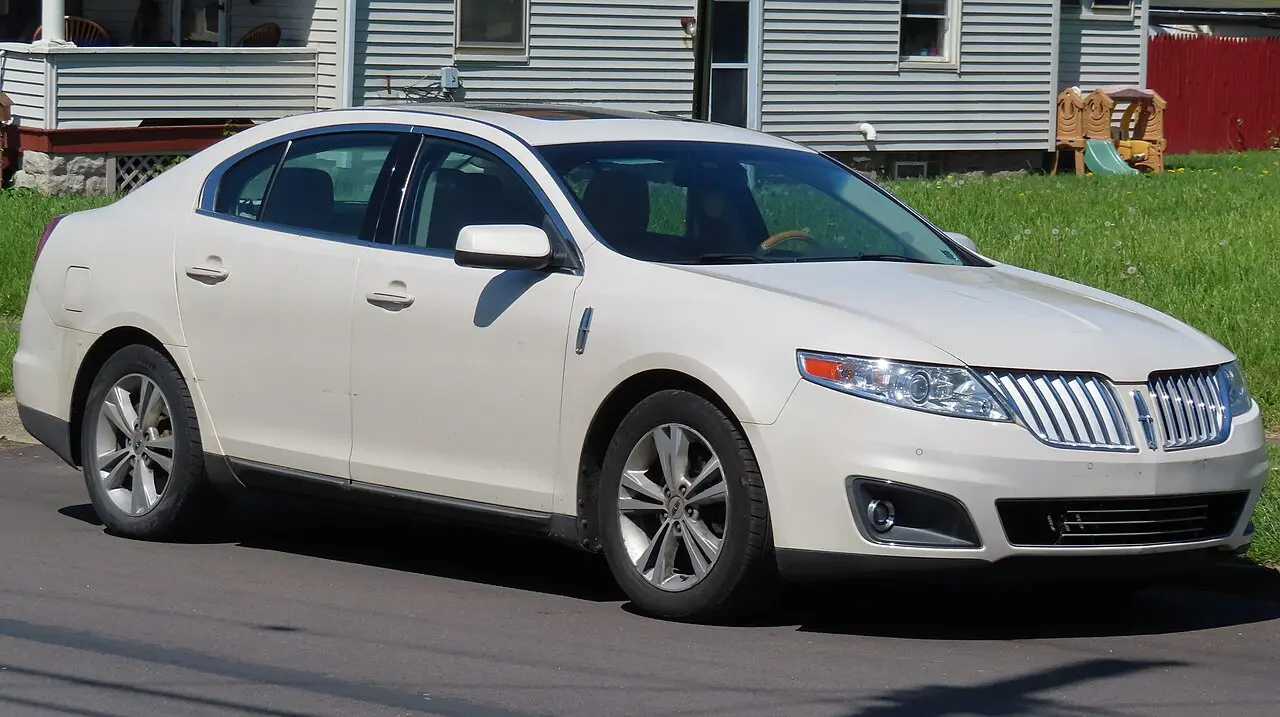
Photo: MercurySable99 / Wikimedia Commons · CC BY-SA 4.0

The official data lists 37 versions of the Lincoln MKS (2009–2016), in the United States and Canada. Each market publishes its own figures, measured on its own test procedure.

At a glance

Years in the data
2009–2016
Markets
United States, Canada
Engines
3.5 L to 3.7 L
Fuels
Petrol
Lowest consumption (United States)
10.7 L/100 km (EPA)
Lowest consumption (Canada)
11.2 L/100 km (5-cycle)

What is the Lincoln MKS?

The MKS is a full-size luxury sedan that served as a flagship in Lincoln’s range. Its long, formal shape and roomy four-door layout suit drivers who want a comfortable road car with a traditional sedan profile. Lincoln sold it in the United States and Canada from 2009 through 2016.

Generations, engines and power

The MKS had one generation, sold from 2009 to 2016. It brought a more contemporary design to Lincoln’s large-sedan line, with front-wheel drive or available all-wheel drive depending on version.

Petrol V6 engines ranged from 3.5 L to 3.7 L. The range included a turbocharged EcoBoost V6, pairing a smaller engine with turbocharging for stronger performance.

Fuel consumption and CO₂

In the United States, the best combined EPA rating is 22 MPG, and the lowest listed consumption is 10.7 L/100 km. In Canada, the lowest listed figure is 11.2 L/100 km under NRCan’s 5-cycle test. EPA and NRCan use different procedures, so these figures are not directly comparable.

Where was the MKS sold?

The MKS was sold in the United States and Canada during its 2009–2016 run. As a large Lincoln sedan, it reflected the brand’s long-standing identity as a maker of American luxury cars.

Questions and answers

What years was the Lincoln MKS sold?

It was sold from 2009 through 2016.

What engines did the MKS have?

Its petrol V6 engines ranged from 3.5 L to 3.7 L, including a turbocharged EcoBoost option.

What is the MKS’s best EPA fuel economy?

The best listed combined EPA rating is 22 MPG.

MKS first generation (2009–2016)

Lincoln MKS first generation
Photo: MercurySable99 / Wikimedia Commons · CC BY-SA 4.0

Model codes: D385, D3 · References: en.wikipedia.org

United States 19 versions

Model years sold in the USA, from the EPA and the Department of Energy (fueleconomy.gov). MPG on the EPA test; litres per 100 km = 235.215 ÷ MPG.

Years and versionEngineFuelGearboxDriveConsumption (combined)CO₂
2016SIDI3.5 LPetrol6-speed automaticAll-wheel drive19 MPG (12.4 L/100 km) EPA294 g/km
20163.7 LPetrol6-speed automaticAll-wheel drive19 MPG (12.4 L/100 km) EPA287 g/km
20163.7 LPetrol6-speed automaticFront-wheel drive20 MPG (11.8 L/100 km) EPA272 g/km
2015SIDI3.5 LPetrol6-speed automaticAll-wheel drive20 MPG (11.8 L/100 km) EPA280 g/km
2014–20153.7 LPetrol6-speed automaticAll-wheel drive21 MPG (11.2 L/100 km) EPA264 g/km
2014–20153.7 LPetrol6-speed automaticFront-wheel drive22 MPG (10.7 L/100 km) EPA250 g/km
2013–2014SIDI3.5 LPetrol6-speed automaticAll-wheel drive20 MPG (11.8 L/100 km) EPA277 g/km
20133.7 LPetrol6-speed automaticAll-wheel drive21 MPG (11.2 L/100 km) EPA263 g/km
20133.7 LPetrol6-speed automaticFront-wheel drive21 MPG (11.2 L/100 km) EPA262 g/km
20123.5 LPetrol6-speed automaticFront-wheel drive20 MPG (11.8 L/100 km) EPA276 g/km
2012SIDI3.5 LPetrol6-speed automaticAll-wheel drive20 MPG (11.8 L/100 km) EPA276 g/km
20123.7 LPetrol6-speed automaticAll-wheel drive19 MPG (12.4 L/100 km) EPA291 g/km
2010–2011SIDI3.5 LPetrol6-speed automaticAll-wheel drive20 MPG (11.8 L/100 km) EPA276 g/km
20113.7 LPetrol6-speed automaticFront-wheel drive19 MPG (12.4 L/100 km) EPA291 g/km
20113.7 LPetrol6-speed automaticAll-wheel drive19 MPG (12.4 L/100 km) EPA291 g/km
20103.5 LPetrol6-speed automaticAll-wheel drive19 MPG (12.4 L/100 km) EPA291 g/km
20103.5 LPetrol6-speed automaticFront-wheel drive19 MPG (12.4 L/100 km) EPA291 g/km
2009CLKUP3.7 LPetrol6-speed automaticFour- or all-wheel drive19 MPG (12.4 L/100 km) EPA291 g/km
2009CLKUP3.7 LPetrol6-speed automaticFront-wheel drive19 MPG (12.4 L/100 km) EPA291 g/km

Canada 18 versions

Model years sold in Canada, from Natural Resources Canada fuel consumption ratings (5-cycle test).

Years and versionEngineFuelGearboxConsumption (combined)CO₂
2016Full-size3.5 LPetrol6-speed automatic12.5 L/100 km 5-cycle293 g/km
2016Full-size3.7 LPetrol6-speed automatic12.2 L/100 km 5-cycle287 g/km
2015Full-size3.5 LPetrol6-speed automatic11.9 L/100 km 5-cycle274 g/km
2015Full-size3.7 LPetrol6-speed automatic11.2 L/100 km 5-cycle258 g/km
2014Full-size3.5 LPetrol6-speed automatic11.8 L/100 km 5-cycle271 g/km
2014Full-size3.7 LPetrol6-speed automatic11.3 L/100 km 5-cycle260 g/km
2013Full-size3.5 LPetrol6-speed automatic11.7 L/100 km 5-cycle269 g/km
2013Full-size3.7 LPetrol6-speed automatic11.2 L/100 km 5-cycle258 g/km
2012Full-size3.5 LPetrol6-speed automatic12.0 L/100 km 5-cycle276 g/km
2012Full-size3.7 LPetrol6-speed automatic11.9 L/100 km 5-cycle274 g/km
2012Full-size3.7 LPetrol6-speed automatic12.5 L/100 km 5-cycle288 g/km
2011Full-size3.5 LPetrol6-speed automatic12.0 L/100 km 5-cycle276 g/km
2011Full-size3.7 LPetrol6-speed automatic12.6 L/100 km 5-cycle290 g/km
2011Full-size3.7 LPetrol6-speed automatic12.1 L/100 km 5-cycle278 g/km
2010Full-size3.5 LPetrol6-speed automatic11.9 L/100 km 5-cycle274 g/km
2009–2010Full-size3.7 LPetrol6-speed automatic12.2 L/100 km 5-cycle281 g/km
2010Full-size3.7 LPetrol6-speed automatic12.6 L/100 km 5-cycle290 g/km
2009Full-size3.7 LPetrol6-speed automatic12.6 L/100 km 5-cycle290 g/km

Official figures are measured on standard test procedures and differ between markets. Your consumption depends on how, where and in what conditions you drive.