Jeep

Jeep Gladiator

Jeep Gladiator
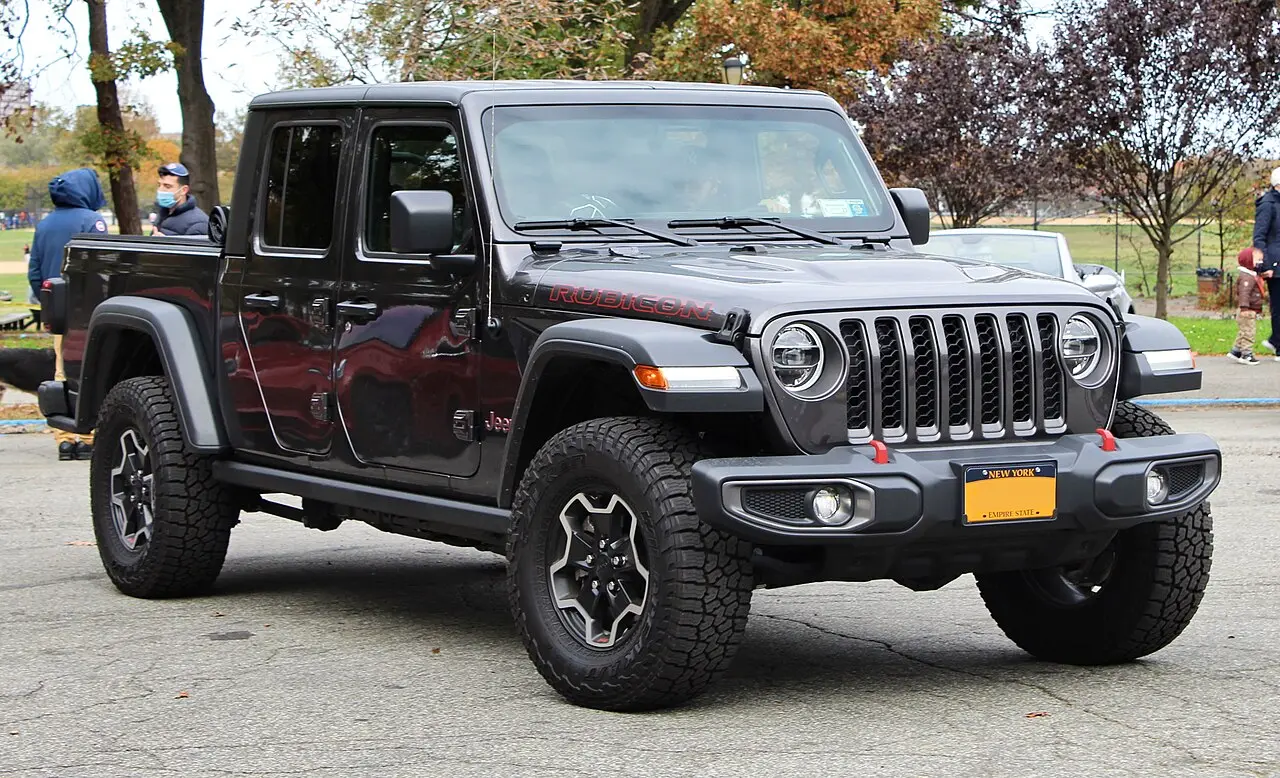
Photo: Kevauto / Wikimedia Commons · CC BY-SA 4.0

The official data lists 13 versions of the Jeep Gladiator (2020–2027), in the United States and Canada. Each market publishes its own figures, measured on its own test procedure.

At a glance

Years in the data
2020–2027
Markets
United States, Canada
Engines
3.0 L to 3.6 L
Fuels
Petrol, Diesel
Lowest consumption (United States)
9.8 L/100 km (EPA)
Lowest consumption (Canada)
9.8 L/100 km (5-cycle)

What is the Jeep Gladiator?

The Jeep Gladiator is a pickup that pairs a cargo bed with the open-air design and four-wheel-drive character of the Jeep range. It sits alongside Jeep’s off-road focused vehicles, offering a truck body for carrying gear. Jeep brought the Gladiator name back with its modern pickup, returning the brand to the pickup market.

Generation and engines

The current Gladiator generation is known as JT and began in 2020. US EPA figures cover model years 2020 to 2027, while Canadian NRCan figures cover 2020 to 2026. The JT generation is also identified in Europe.

Listed US and Canadian versions have petrol or diesel engines ranging from 3.0 L to 3.6 L.

How economical is the Jeep Gladiator?

The best combined US EPA rating is 24 MPG. The lowest listed consumption is 9.8 L/100 km under EPA figures; Canada’s NRCan 5-cycle figures also list 9.8 L/100 km. WLTP and NEDC tests are used in Europe, EPA testing in the United States and the 5-cycle procedure in Canada, so results differ between markets.

Where was it sold?

The JT generation is identified in the United States, Canada and Europe. EPA figures cover the United States, while NRCan figures cover Canada; their model-year spans differ.

Questions and answers

When did the JT Gladiator generation begin?

The JT generation began in 2020 and continues today.

What engines are listed for the Gladiator?

US and Canadian versions span 3.0 L to 3.6 L engines, with petrol and diesel options.

What is the Gladiator’s best combined EPA rating?

The best combined US EPA rating is 24 MPG.

Why do fuel figures differ between the US and Canada?

The United States uses EPA testing and Canada uses the NRCan 5-cycle procedure, so the results can differ.

Gladiator JT (since 2020)

Jeep Gladiator JT
Photo: Kevauto / Wikimedia Commons · CC BY-SA 4.0

Model codes: JT · Sold in: United States, Canada, and European Union · References: jeep.com, en.wikipedia.org

United States 7 versions

Model years sold in the USA, from the EPA and the Department of Energy (fueleconomy.gov). MPG on the EPA test; litres per 100 km = 235.215 ÷ MPG.

Years and versionEngineFuelGearboxDriveConsumption (combined)CO₂
20273.6 LPetrol8-speed automaticFour-wheel drive19 MPG (12.4 L/100 km) EPA290 g/km
20263.6 LPetrol8-speed automaticFour-wheel drive19 MPG (12.4 L/100 km) EPA291 g/km
2020–20253.6 LPetrol8-speed automaticFour-wheel drive19 MPG (12.4 L/100 km) EPA290 g/km
20243.6 LPetrol6-speed manualFour-wheel drive18 MPG (13.1 L/100 km) EPA311 g/km
2021–20233.0 LDiesel8-speed automaticFour-wheel drive24 MPG (9.8 L/100 km) EPA263 g/km
2021–20233.0 LDiesel8-speed automaticFour-wheel drive24 MPG (9.8 L/100 km) EPA271 g/km
2020–20233.6 LPetrol6-speed manualFour-wheel drive19 MPG (12.4 L/100 km) EPA296 g/km

Canada 6 versions

Model years sold in Canada, from Natural Resources Canada fuel consumption ratings (5-cycle test).

Years and versionEngineFuelGearboxConsumption (combined)CO₂
2026Pickup truck: Standard3.6 LPetrol8-speed automatic12.4 L/100 km 5-cycle291 g/km
2020–2025Pickup truck: Standard3.6 LPetrol8-speed automatic12.3 L/100 km 5-cycle290 g/km
2024Pickup truck: Standard3.6 LPetrol6-speed manual13.2 L/100 km 5-cycle311 g/km
2021–2023Pickup truck: Standard3.0 LDiesel8-speed automatic9.8 L/100 km 5-cycle263 g/km
2021–2023Pickup truck: Standard3.0 LDiesel8-speed automatic10.0 L/100 km 5-cycle271 g/km
2020–2023Pickup truck: Standard3.6 LPetrol6-speed manual12.6 L/100 km 5-cycle296 g/km

Official figures are measured on standard test procedures and differ between markets. Your consumption depends on how, where and in what conditions you drive.