Innocenti

Innocenti Doblò

Innocenti Doblò
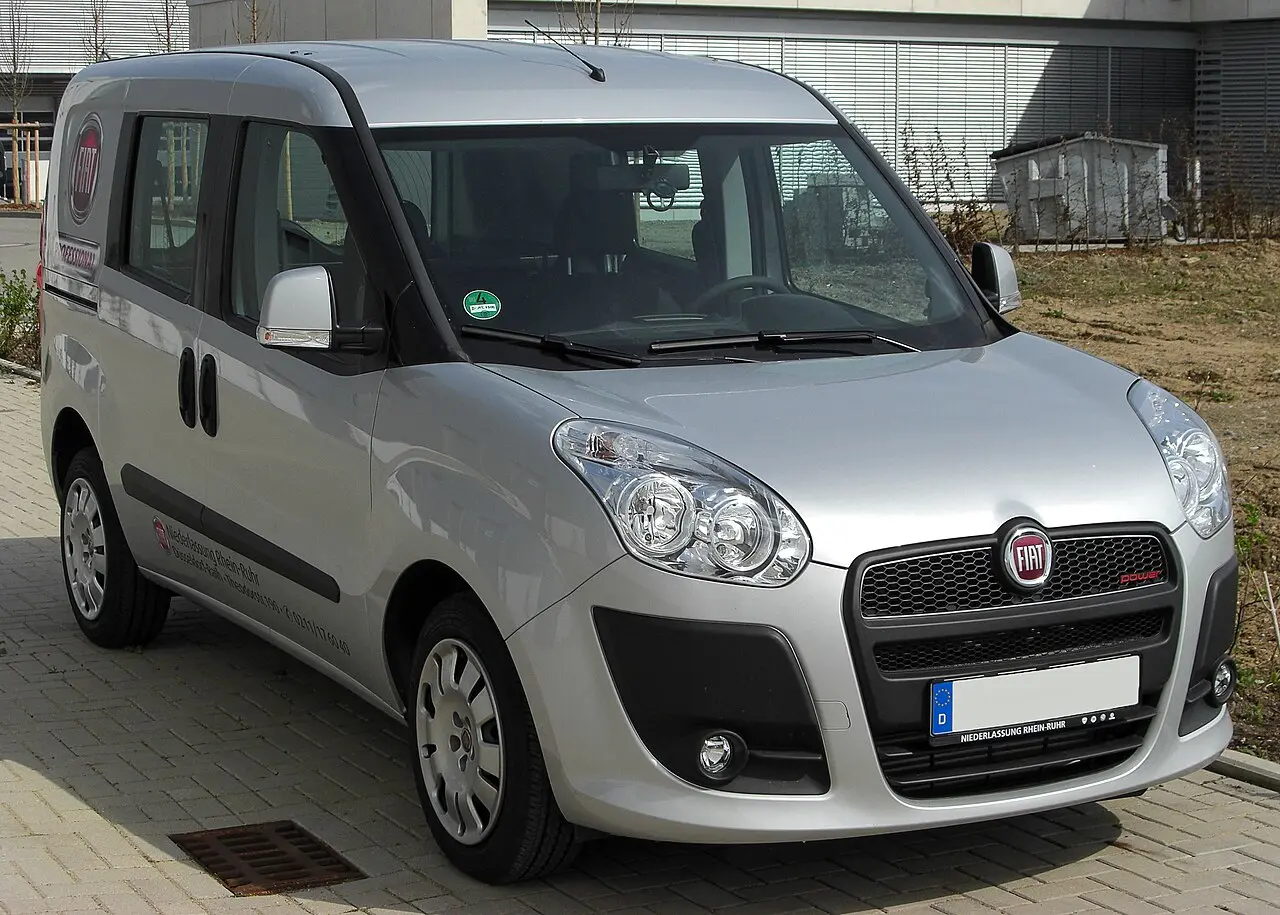
Photo: M 93 / Wikimedia Commons · Attribution

The official data lists 34 versions of the Innocenti Doblò (2011–2018), in the European Union. Each market publishes its own figures, measured on its own test procedure.

At a glance

Years in the data
2011–2018
Markets
European Union
Engines
1.2 L to 2.0 L
Power
66 kW (90 PS) to 99 kW (135 PS)
Fuels
Diesel, Natural gas, Petrol
New registrations in the EU
28,371

What is the Fiat Doblò?

The Doblò is a compact van that also comes in passenger-carrying forms. Its boxy shape and sliding doors make room for people, luggage or work equipment. In Fiat’s commercial vehicle range, it sits below the larger Ducato.

Generation and engines

The Doblò II generation ran from 2009 to 2022 and carries the code 263. It continued the model’s van-based layout for both work and passenger use.

In EU registrations from 2011 through 2018, the Doblò appeared with diesel, petrol and natural-gas engines. Sizes ranged from 1.2 to 2.0 litres, with outputs from 66 kW (90 PS) to 99 kW (135 PS). The 1.6-litre diesel featured among the leading configurations, including versions producing 77 kW (105 PS) and 88 kW (120 PS).

Fuel consumption and CO₂

Fuel consumption and CO₂ vary by engine, fuel and body configuration. European test results may use WLTP or the earlier NEDC procedure, which differ and can produce figures that are not directly comparable.

Where was the Doblò sold?

EU registration figures list 28,371 Doblò models from 2011 to 2018. Its compact van layout serves both commercial and passenger-carrying roles.

Questions and answers

Is the Fiat Doblò a van or a people carrier?

It is a compact van offered in both work-focused and passenger-carrying forms.

What engines were listed for the Doblò in the EU?

From 2011 to 2018, EU registrations include petrol, diesel and natural-gas engines from 1.2 to 2.0 litres, producing 66 kW (90 PS) to 99 kW (135 PS).

Which Doblò generation covers these years?

The Doblò II generation, code 263, ran from 2009 to 2022.

How are official Doblò fuel-consumption figures measured?

European test results may use WLTP or NEDC. The procedures differ, and consumption also varies by version.

Doblò Doblò II (2009–2022)

Model codes: 263 · References: quattroruote.it, it.wikipedia.org

European Union 34 versions

New cars registered in the EU (plus Norway and Iceland), from the European Environment Agency. Figures on the NEDC procedure until 2020 and on WLTP from 2021; versions are grouped by engine and power, with their number of registrations.

Years and versionEnginePowerFuelCO₂EU registrations
20181.6 L88 kW (120 PS)Diesel143 g/km4,324
20181.6 L70 kW (95 PS)Diesel140 g/km1,424
20181.4 L88 kW (120 PS)Natural gas135 g/km980
20181.4 L70 kW (95 PS)Petrol173 g/km466
20181.4 L88 kW (120 PS)Petrol177 g/km398
20151.6 L77 kW (105 PS)Diesel152 g/km1,691
20151.4 L88 kW (120 PS)Natural gas134 g/km1,045
20151.6 L88 kW (120 PS)Diesel145 g/km624
20151.6 L70 kW (95 PS)Diesel147 g/km354
20151.4 L70 kW (95 PS)Petrol170 g/km338
20151.6 L66 kW (90 PS)Diesel149 g/km305
20152.0 L99 kW (135 PS)Diesel165 g/km160
20151.4 L88 kW (120 PS)Petrol169 g/km93
20141.6 L77 kW (105 PS)Diesel146 g/km1,134
20141.4 L88 kW (120 PS)Natural gas134 g/km758
20141.6 L66 kW (90 PS)Diesel149 g/km576
20142.0 L99 kW (135 PS)Diesel163 g/km177
20141.4 L70 kW (95 PS)Petrol170 g/km170
20131.4 L88 kW (120 PS)Natural gas171 g/km1,457
20131.6 L77 kW (105 PS)Diesel143 g/km1,037
20131.6 L66 kW (90 PS)Diesel138 g/km612
20131.4 L70 kW (95 PS)Petrol167 g/km170
20132.0 L99 kW (135 PS)Diesel153 g/km154
20121.6 L77 kW (105 PS)Diesel146 g/km1,389
20121.4 L88 kW (120 PS)Natural gas134 g/km1,272
20121.6 L66 kW (90 PS)Diesel141 g/km580
20121.4 L70 kW (95 PS)Petrol169 g/km254
20122.0 L99 kW (135 PS)Diesel154 g/km194
20111.6 L77 kW (105 PS)Diesel138 g/km3,308
20111.4 L88 kW (120 PS)Natural gas–951
20111.6 L66 kW (90 PS)Diesel–824
20112.0 L99 kW (135 PS)Diesel–611
20111.4 L70 kW (95 PS)Petrol171 g/km449
20111.2 L66 kW (90 PS)Diesel–92

Official figures are measured on standard test procedures and differ between markets. Your consumption depends on how, where and in what conditions you drive.