Hyundai

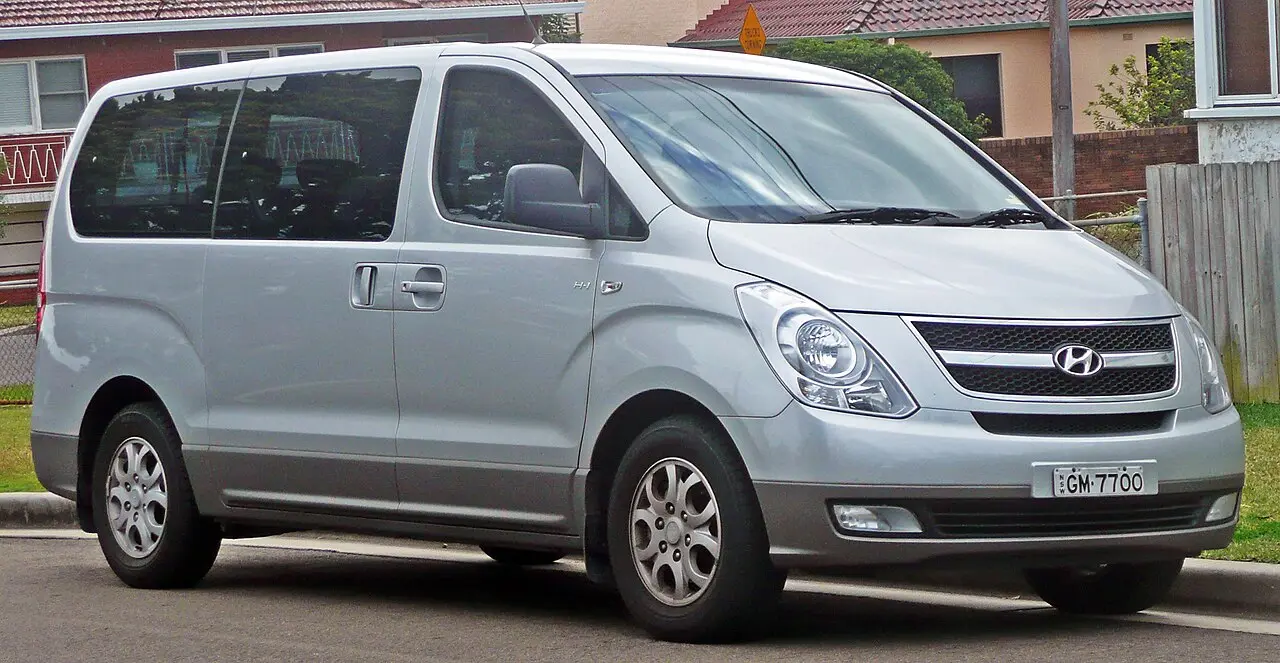
Hyundai i800

Hyundai i800
Photo: OSX / Wikimedia Commons · Public domain

The official data lists 13 versions of the Hyundai i800 (2009–2019), in the United Kingdom. Each market publishes its own figures, measured on its own test procedure.

At a glance

Years in the data
2009–2019
Markets
United Kingdom
Engines
2.5 L
Power
100 kW (136 PS) to 125 kW (170 PS)
Fuels
Diesel
Lowest consumption (United Kingdom)
7.5 L/100 km (NEDC)

What is the Hyundai i800?

The Hyundai i800 is a large passenger van with an upright cabin designed to carry people and luggage. Sold in the UK from 2009 to 2019, it brought van-style space and practicality to passenger transport.

Generation and engines

The UK i800 was one generation, known by the code TQ, which ran from 2009 to 2019. Its van-based layout puts space and utility at the heart of the design. The model used a 2.5-litre diesel engine, with official power figures ranging from 100 kW (136 PS) to 125 kW (170 PS).

How economical is the Hyundai i800?

The lowest listed UK consumption is 7.5 L/100 km on the NEDC test. The NEDC figure gives a standardized measure; actual consumption varies with load, route and driving style.

Where was the i800 sold?

The i800 was sold in the UK. Its large passenger-van layout gave it room for people and luggage in a practical, upright cabin.

Questions and answers

What kind of vehicle is the Hyundai i800?

It is a large passenger van designed to carry people and luggage.

What engine did the UK i800 use?

It used a 2.5-litre diesel engine, with power from 100 kW (136 PS) to 125 kW (170 PS).

What is the i800’s lowest official fuel consumption?

The lowest listed UK figure is 7.5 L/100 km on the NEDC test.

When was the i800 sold in the UK?

It was sold from 2009 to 2019.

i800 first generation (2009–2019)

Hyundai i800 first generation
Photo: OSX / Wikimedia Commons · Public domain

Model codes: TQ · Sold in: United Kingdom · References: cargurus.co.uk, en.wikipedia.org

United Kingdom 13 versions

New cars on sale in the UK, from the Vehicle Certification Agency. NEDC figures until 2018 and WLTP figures after; years are the editions a version appeared in.

Years and versionEnginePowerFuelGearboxConsumption (combined)CO₂
20192.5l2.5 L100 kW (136 PS)Diesel6-speed manual8.9 L/100 km WLTP–
20192.5l2.5 L125 kW (170 PS)Diesel5-speed automatic10.1 L/100 km WLTP–
20182.5l CRDi 100kW2.5 L100 kW (136 PS)Diesel6-speed manual8.4 L/100 km NEDC222 g/km
20182.5l CRDi 125kW2.5 L125 kW (170 PS)Diesel5-speed automatic9.3 L/100 km NEDC244 g/km
2015–20172.5l CRDi 100kW2.5 L100 kW (136 PS)Diesel6-speed manual7.5 L/100 km NEDC197 g/km
2015–20172.5l CRDi 125kW2.5 L125 kW (170 PS)Diesel5-speed automatic8.4 L/100 km NEDC225 g/km
20152.5l CRDi 100kW2.5 L100 kW (136 PS)Diesel6-speed manual7.5 L/100 km NEDC197 g/km
20152.5l CRDi 125kW2.5 L125 kW (170 PS)Diesel5-speed automatic8.8 L/100 km NEDC231 g/km
2013–20142.5l CRDi (100kW) · 2.5l CRDi 100kW2.5 L100 kW (136 PS)DieselManual7.5 L/100 km NEDC197 g/km
2013–20142.5l CRDi (125kW) · 2.5l CRDi 125kW2.5 L125 kW (170 PS)DieselAutomatic8.8 L/100 km NEDC231 g/km
20122.5l CRDi (100kW)2.5 L100 kW (136 PS)Diesel6-speed manual7.5 L/100 km NEDC197 g/km
20122.5l CRDi (125kW)2.5 L125 kW (170 PS)Diesel5-speed automatic8.8 L/100 km NEDC231 g/km
2009–20102.5l CRTD2.5 L–Diesel5-speed manual8.5 L/100 km NEDC225 g/km

Official figures are measured on standard test procedures and differ between markets. Your consumption depends on how, where and in what conditions you drive.