Fiat

Fiat Doblò

Fiat Doblò
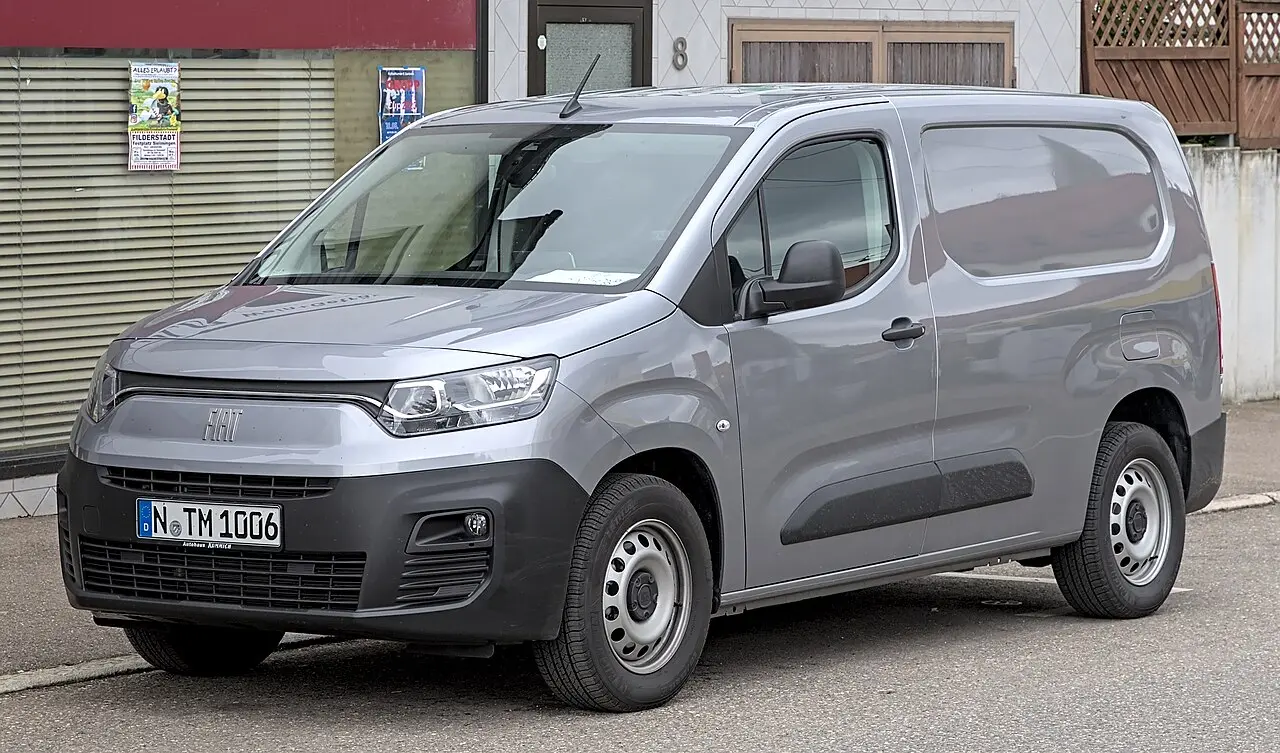
Photo: Alexander-93 / Wikimedia Commons · CC BY-SA 4.0

The official data lists 270 versions of the Fiat Doblò (2001–2025), in the European Union, the United Kingdom, and France. Each market publishes its own figures, measured on its own test procedure.

At a glance

Years in the data
2001–2025
Markets
European Union, United Kingdom, France
Engines
1.2 L to 2.0 L
Power
63 kW (86 PS) to 100 kW (136 PS)
Fuels
Diesel, Petrol, Natural gas, Electric, LPG
Lowest consumption (France)
5.0 L/100 km (NEDC)
Lowest consumption (United Kingdom)
5.0 L/100 km (NEDC)
Lowest consumption (European Union)
5.4 L/100 km (WLTP)
New registrations in the EU
166,974

What is the Fiat Doblò?

The Fiat Doblò is a compact van offered in both passenger and cargo forms. Its tall body and flexible layout suit family journeys as well as work that calls for carrying tools or goods. Space and practicality have been central to the model since it first appeared in 2000.

Doblò generations, engines and power

The first Doblò ran from 2000 to 2009. Doblò II followed from 2010 to 2022 with a redesigned body and continued passenger and cargo roles. Doblò III began in 2022, bringing an electric option to the range alongside combustion engines.

Across EU registration figures, engine sizes run from 1.2 L to 2.0 L and power ranges from 57 kW (77 PS) to 132 kW (179 PS). Recorded fuel types include diesel, petrol, electric, natural gas, LPG and other. The UK VCA range spans 1.2 L to 2.0 L, with diesel and petrol engines producing 63 kW (86 PS) to 90 kW (122 PS). French ADEME entries cover petrol, diesel and natural gas, with power from 66 kW (90 PS) to 99 kW (135 PS).

How economical is the Fiat Doblò?

The lowest EU figure is 5.4 L/100 km on WLTP; the lowest UK VCA figure is 5 L/100 km on NEDC. French ADEME entries also reach 5 L/100 km on NEDC. NEDC and WLTP are European test procedures; the USA uses EPA testing and Canada uses the 5-cycle procedure. Consumption varies with engine, fuel and version.

Where was the Fiat Doblò sold?

EU registration figures cover 2010 to 2025, UK VCA figures span 2001 to 2019, and French ADEME entries cover 2012 to 2015. The Doblò has served private and professional users through its generations. In EU registration figures, 1.6 L diesel versions feature prominently among the most registered configurations.

Questions and answers

How many Doblò generations are there?

Three: Doblò (2000–2009), Doblò II (2010–2022) and Doblò III (2022–today).

Is there an electric Fiat Doblò?

Yes. Electric versions appear in the EU registration range, and the third generation introduced an electric powertrain.

What is the lowest official consumption figure listed?

The lowest figure is 5 L/100 km in UK VCA and French ADEME entries on the NEDC test; the EU WLTP figure is 5.4 L/100 km.
Doblò Doblò (2000–2009)

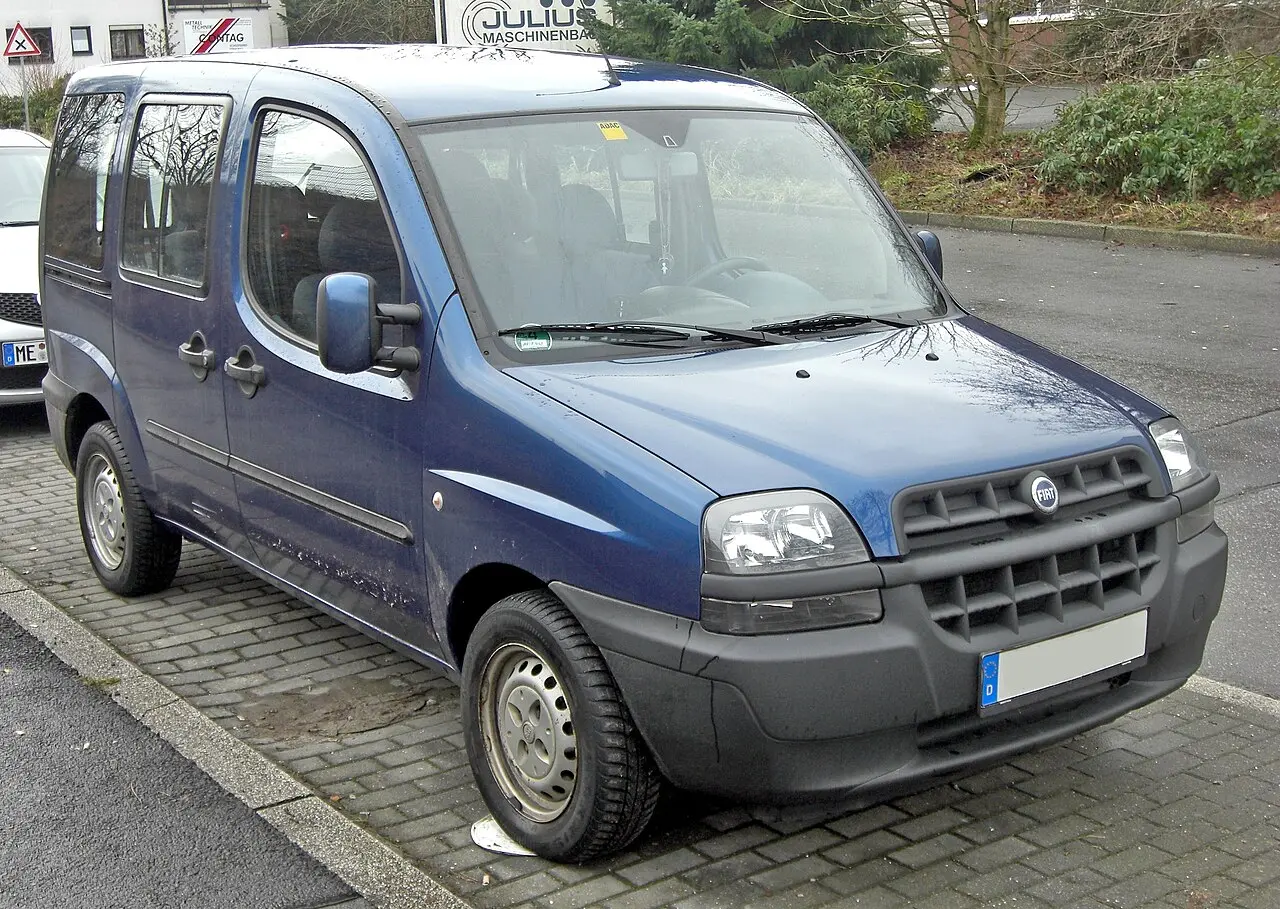
Fiat Doblò Doblò
Photo: M 93 / Wikimedia Commons · Public domain

Model codes: Type 223 · Sold in: European Union, France, and United Kingdom · References: en.wikipedia.org

Show all 19 versions

Doblò Doblò II (2010–2022)

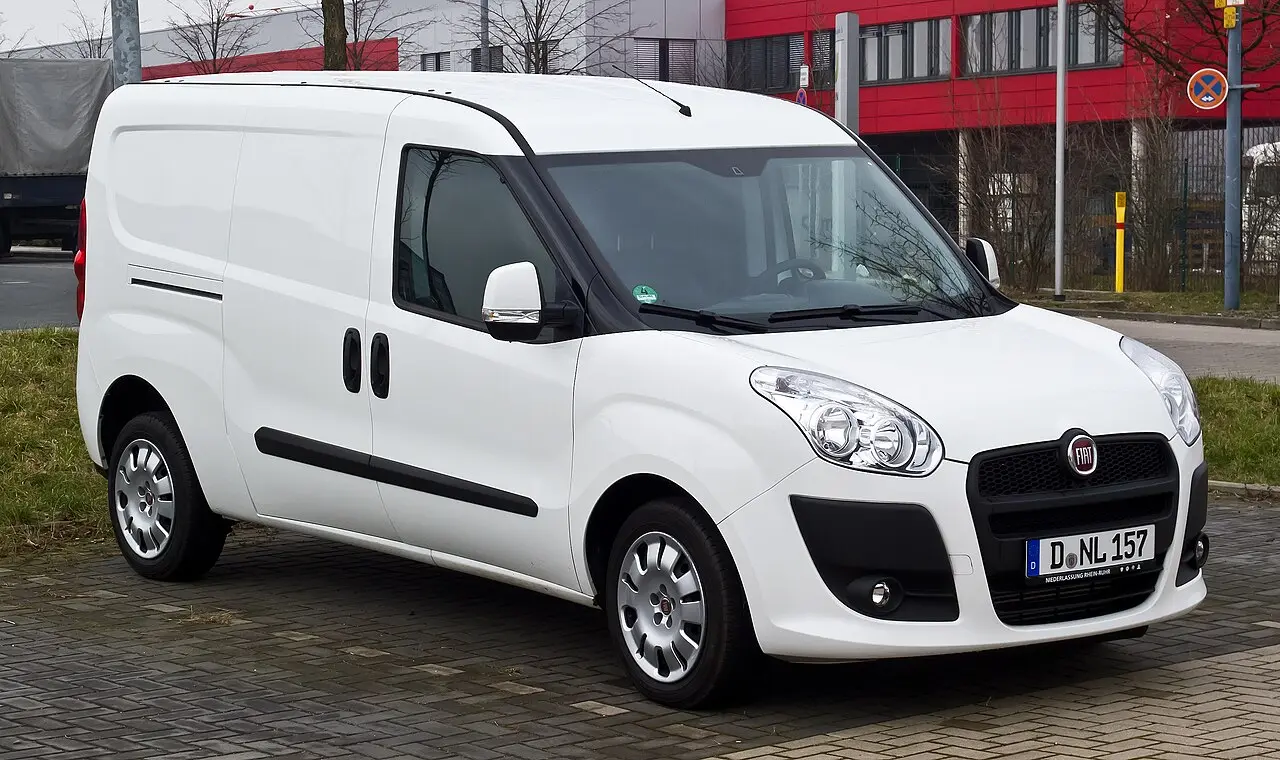
Fiat Doblò Doblò II
Photo: M 93 / Wikimedia Commons · CC BY-SA 3.0 de

Model codes: Type 263 · Sold in: European Union, France, and United Kingdom · References: en.wikipedia.org, csaka.cz

Show all 235 versions

Doblò Doblò III (since 2022)

Fiat Doblò Doblò III
Photo: Alexander-93 / Wikimedia Commons · CC BY-SA 4.0

Model codes: K9 · Sold in: European Union and France · References: en.wikipedia.org, media.stellantis.com

European Union 19 versions

New cars registered in the EU (plus Norway and Iceland), from the European Environment Agency. Figures on the NEDC procedure until 2020 and on WLTP from 2021; versions are grouped by engine and power, with their number of registrations.

Years and versionEnginePowerFuelConsumption (combined)CO₂Electric rangeEU registrations
20251.5 L96 kW (131 PS)Diesel5.6 L/100 km WLTP148 g/km–2,059
20251.5 L75 kW (102 PS)Diesel5.4 L/100 km WLTP141 g/km–907
20251.2 L81 kW (110 PS)Petrol6.5 L/100 km WLTP146 g/km–424
2025Electric motor100 kW (136 PS)Electric18.5 kWh/100 km WLTP0 g/km332 km46
2025Electric motor62 kW (84 PS)Electric18.2 kWh/100 km WLTP0 g/km341 km19
2025Electric motor57 kW (77 PS)Electric20.0 kWh/100 km WLTP0 g/km279 km15
20241.5 L96 kW (131 PS)Diesel5.7 L/100 km WLTP148 g/km–417
20241.5 L75 kW (102 PS)Diesel5.4 L/100 km WLTP140 g/km–290
2024Electric motor100 kW (136 PS)Electric19.7 kWh/100 km WLTP0 g/km292 km57
2024Electric motor57 kW (77 PS)Electric20.0 kWh/100 km WLTP0 g/km278 km14
2024Electric motor62 kW (84 PS)Electric18.0 kWh/100 km WLTP0 g/km344 km12
20241.2 L81 kW (110 PS)Petrol6.3 L/100 km WLTP142 g/km–11
2023Electric motor100 kW (136 PS)Electric19.7 kWh/100 km WLTP0 g/km281 km397
2023Electric motor57 kW (77 PS)Electric19.8 kWh/100 km WLTP0 g/km280 km55
20231.6 L88 kW (120 PS)Diesel6.2 L/100 km WLTP162 g/km–38
20231.5 L75 kW (102 PS)Diesel5.6 L/100 km WLTP147 g/km–22
2022Electric motor100 kW (136 PS)Electric19.3 kWh/100 km WLTP0 g/km285 km99
2022Electric motor57 kW (77 PS)Electric19.5 kWh/100 km WLTP0 g/km283 km56
20221.6 L88 kW (120 PS)Diesel6.3 L/100 km WLTP164 g/km–13

Official figures are measured on standard test procedures and differ between markets. Your consumption depends on how, where and in what conditions you drive.