What is the Ferrari Testarossa?
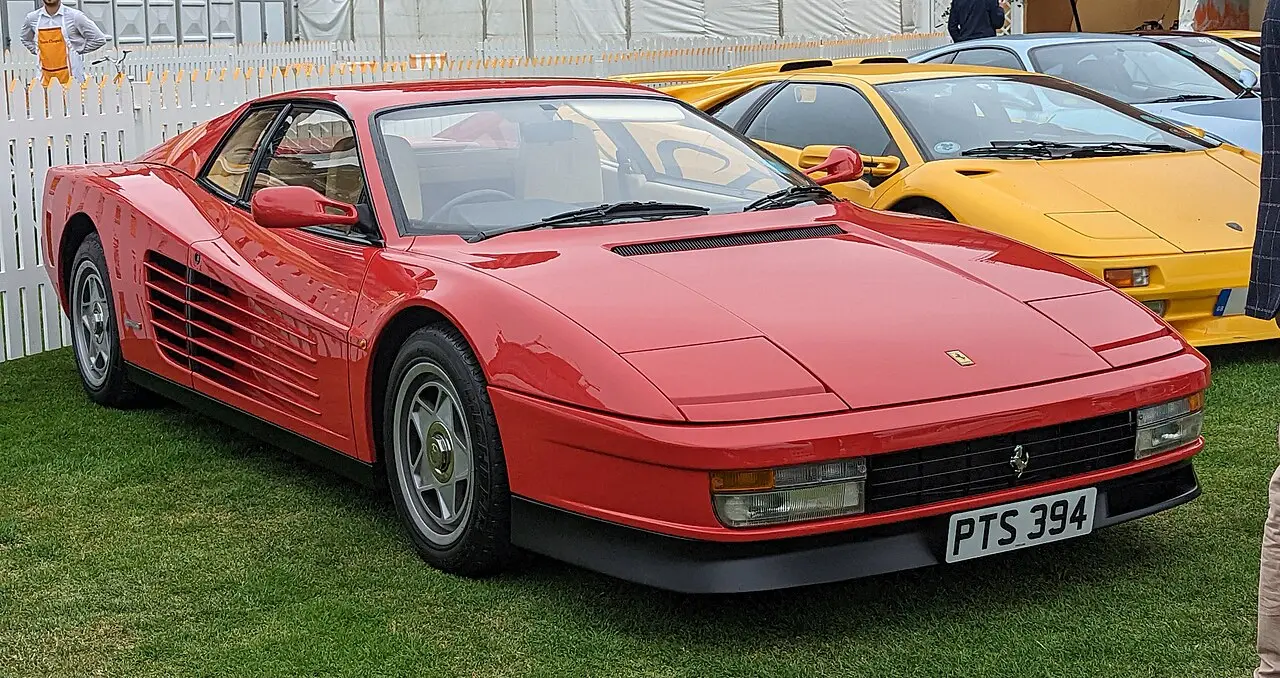
The Ferrari Testarossa is a two-seat grand tourer with its engine behind the cabin. Ferrari unveiled it in 1984 as the successor to the 512 BBi. Its broad rear and deep side air intakes give the car its unmistakable profile; the intakes channel air towards the radiators.
Generations and engines
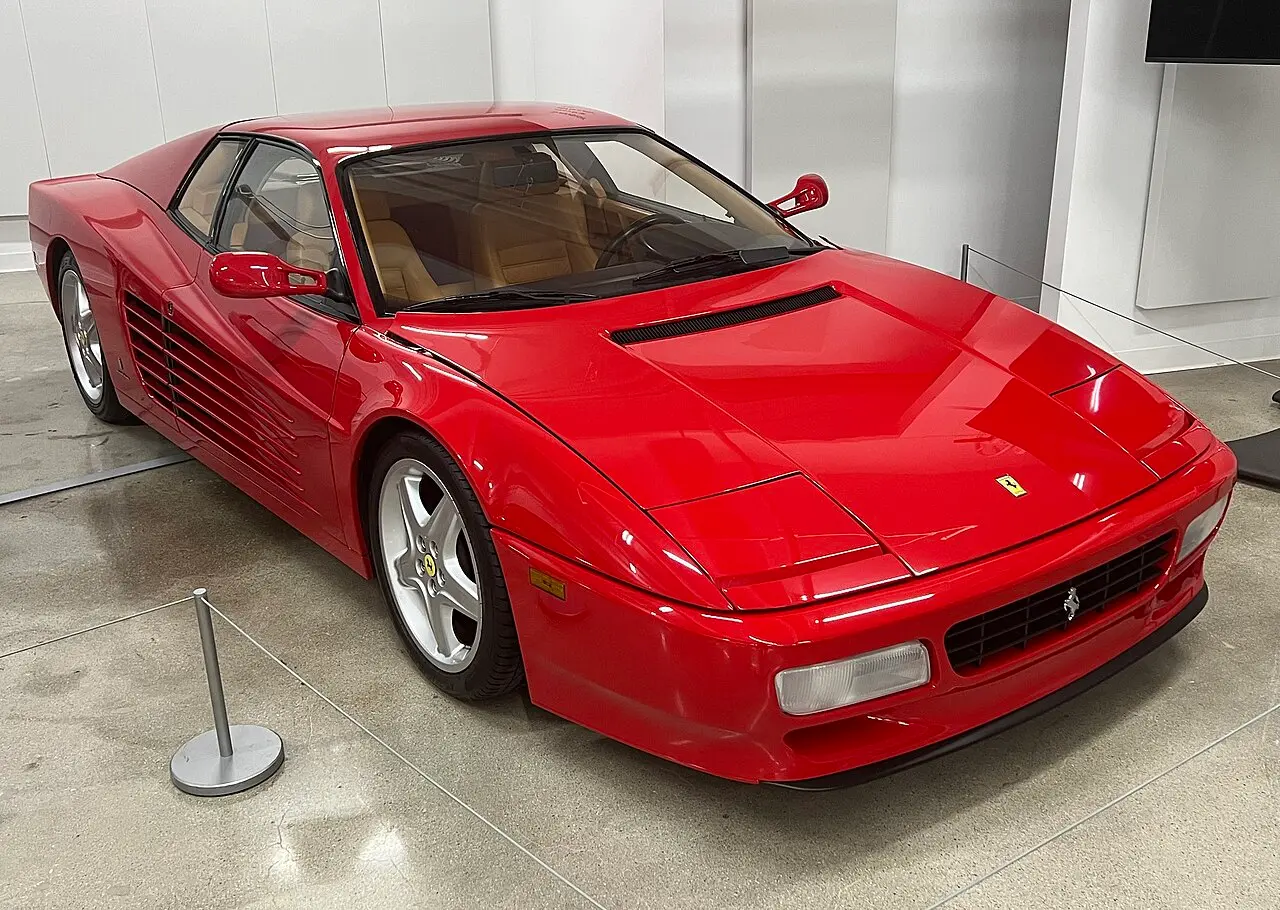
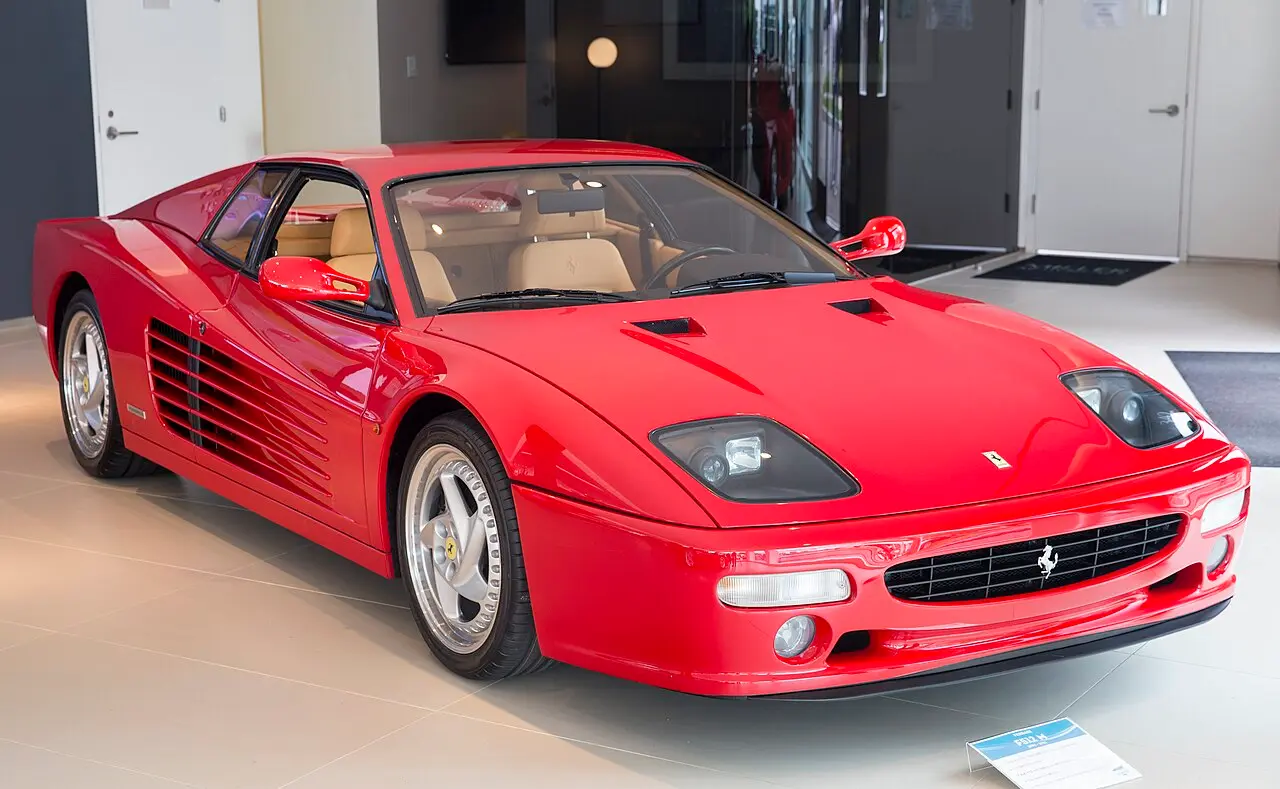
The Testarossa was followed by the 512 TR, which kept the original concept while revising the exterior and making the cabin more comfortable and ergonomic. Ferrari describes the 512 TR’s exterior changes as improving the aerodynamics of Pininfarina’s design. The United States EPA listing for the Testarossa gives a 4.9 L petrol engine.
How economical is the Ferrari Testarossa?
The EPA combined rating is 11 MPG, equivalent to 21.4 L/100 km. It covers model years 1985–1992 and uses the EPA test procedure for the United States. European WLTP and NEDC procedures differ from the EPA method, so results are not directly comparable.
Where was the Ferrari Testarossa sold?
The EPA fuel consumption figures are for the United States. The Testarossa’s side air intakes and wide rear body carried through to the updated 512 TR.
Questions and answers
What years does the Testarossa listing cover?
The United States EPA listing covers 1985–1992.
What engine size is listed?
A 4.9 L petrol engine.
What does the EPA rate the Testarossa at?
11 MPG combined, equivalent to 21.4 L/100 km.
What changed with the 512 TR?
It retained the Testarossa concept, with exterior changes intended to improve aerodynamics and a more comfortable, ergonomic interior.