Dodge

Dodge Viper

Dodge Viper
Photo: John Bauld from Toronto, Canada / Wikimedia Commons · CC BY 2.0

The official data lists 24 versions of the Dodge Viper (1992–2017), in the United Kingdom, the United States, and Canada. Each market publishes its own figures, measured on its own test procedure.

At a glance

Years in the data
1992–2017
Markets
United Kingdom, United States, Canada
Engines
8.0 L to 8.4 L
Fuels
Petrol
Lowest consumption (Canada)
10.5 L/100 km (5-cycle)
Lowest consumption (United States)
14.7 L/100 km (EPA)
Lowest consumption (United Kingdom)
21.1 L/100 km (NEDC)

What is the Dodge Viper?

The Dodge Viper was a two-seat sports car offered as a roadster and, in several generations, a coupe. Its long bonnet and large V10 gave it a distinctive character within Dodge’s range. First shown as a concept, the Viper became one of the best-known sports cars in the Chrysler and Dodge story.

Viper generations and engines

The first generation, SR I, ran from 1992 to 1995, followed by SR II from 1996 to 2002. ZB I covered 2003 to 2006; ZB II followed from 2008 to 2010; and VX I ran from 2013 to 2017. The Viper was petrol-powered throughout. US and Canadian engines ranged from 8.0 L to 8.4 L, while the UK listing is for an 8.3 L engine. Later generations developed the original roadster design and included coupe body styles.

How much fuel does the Viper use?

In United States EPA figures from 1992 to 2017, the lowest combined consumption was 14.7 L/100 km and the best combined rating was 16 MPG. Canada’s NRCan figures, listed from 1995 to 2017, show a lowest consumption of 10.5 L/100 km on the 5-cycle test. The UK VCA listing from 2007 to 2009 records 21.1 L/100 km on the NEDC test. Test procedures differ: the United States uses EPA testing, Canada uses the 5-cycle test, and Europe uses NEDC or WLTP, so figures are best read within their own market.

Where was the Viper sold?

Official fuel economy figures are listed for the United States, Canada and the United Kingdom. The Viper’s generation history also includes European-market availability.

Questions and answers

What generations did the Dodge Viper have?

The named generations are SR I (1992–1995), SR II (1996–2002), ZB I (2003–2006), ZB II (2008–2010) and VX I (2013–2017).

What engine sizes were used?

US and Canadian engines ranged from 8.0 L to 8.4 L; the UK listing is for an 8.3 L petrol engine.

How much fuel did the Viper use?

The lowest combined consumption was 14.7 L/100 km in EPA figures, 10.5 L/100 km on Canada’s NRCan 5-cycle test and 21.1 L/100 km on the UK NEDC test.

Which markets have official Viper figures?

The listed markets are the United States, Canada and the United Kingdom.
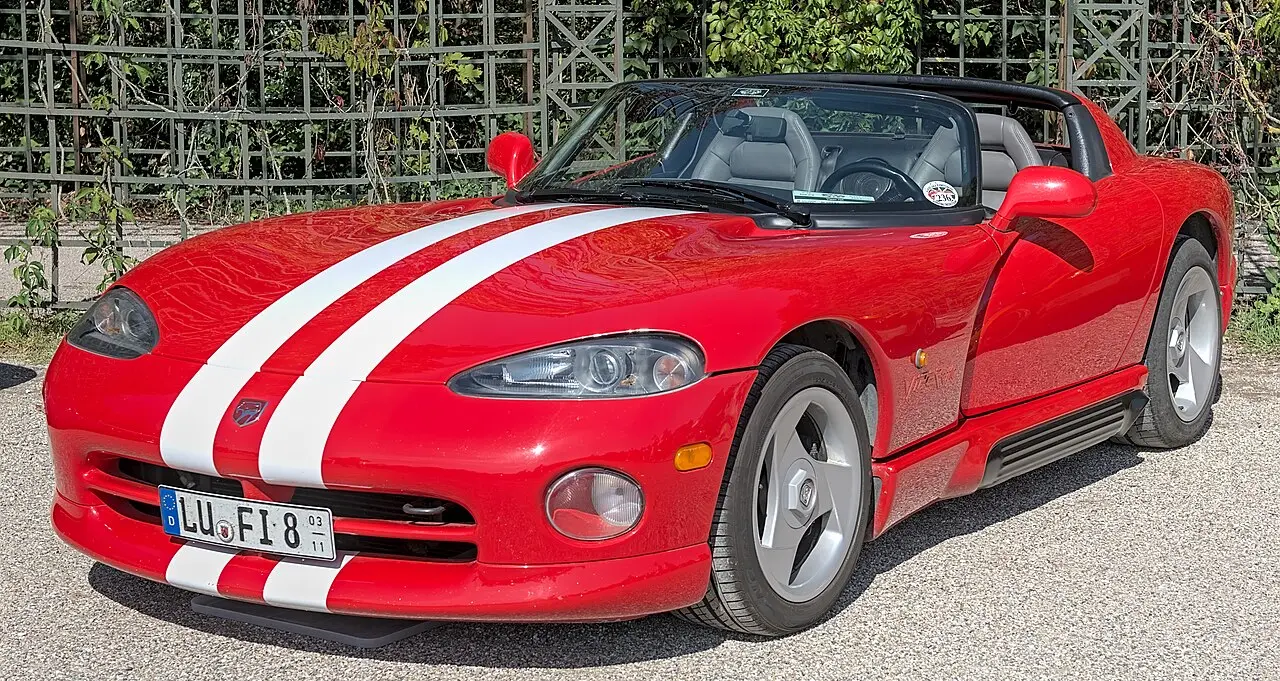
Viper SR I (1992–1995)

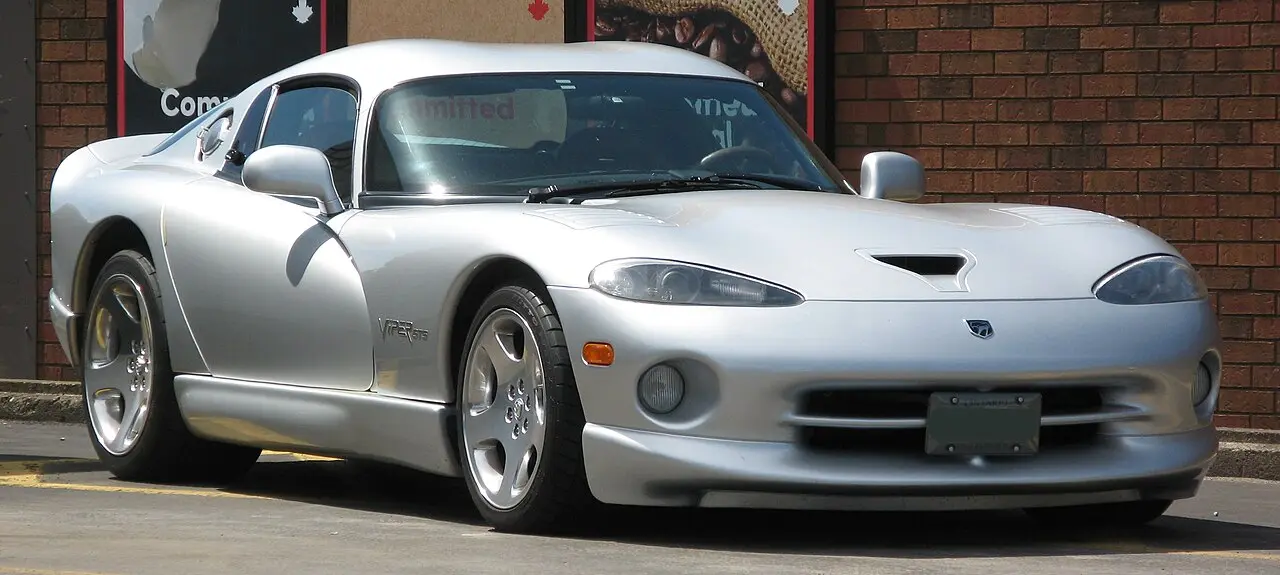
Dodge Viper SR I
Photo: Alexander Migl / Wikimedia Commons · CC BY-SA 4.0

Model codes: SR · Sold in: United States and Canada · References: en.wikipedia.org

Show all 4 versions

Viper SR II (1996–2002)

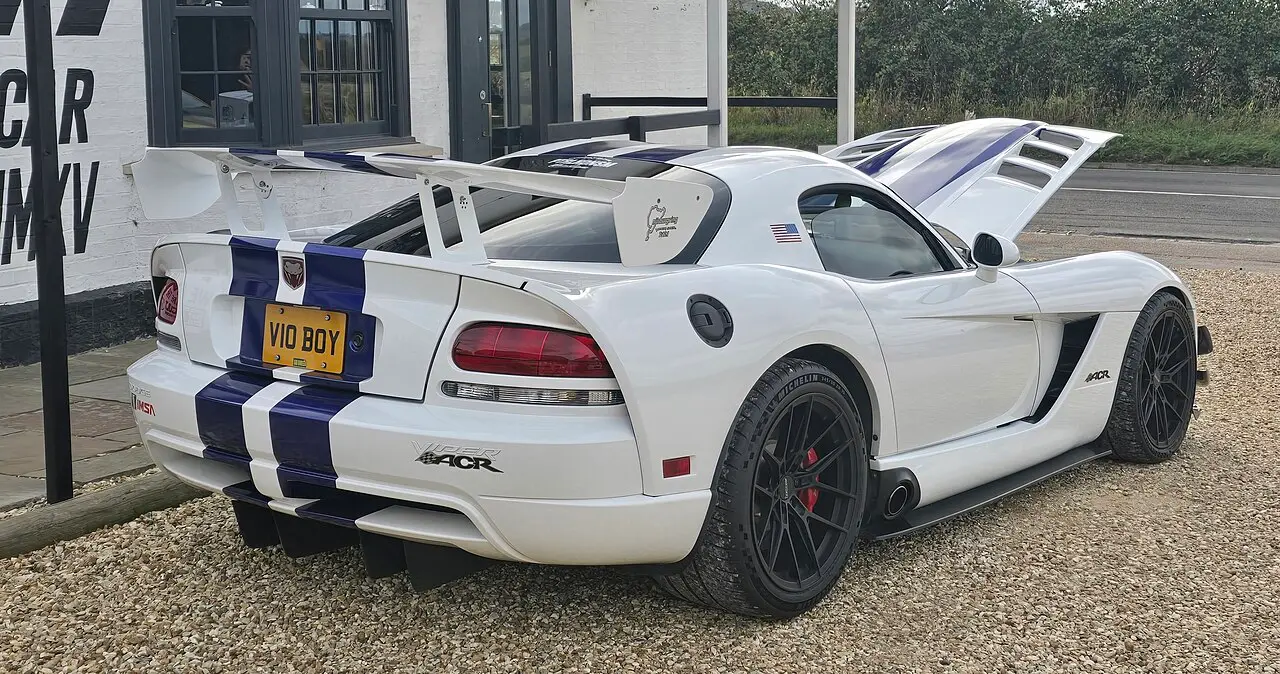
Dodge Viper SR II
Photo: SsmIntrigue / Wikimedia Commons · CC BY-SA 4.0

Model codes: SR · Sold in: United States, Canada, and European Union · References: en.wikipedia.org

Show all 10 versions

Viper ZB I (2003–2006)

Model codes: ZB · Sold in: United States, Canada, and United Kingdom · References: en.wikipedia.org

Show all 2 versions

Viper ZB II (2008–2010)

Dodge Viper ZB II
Photo: Calreyn88 / Wikimedia Commons · CC BY 4.0

Model codes: ZB · Sold in: United States and Canada · References: en.wikipedia.org

Show 1 version

Viper VX I (2013–2017)

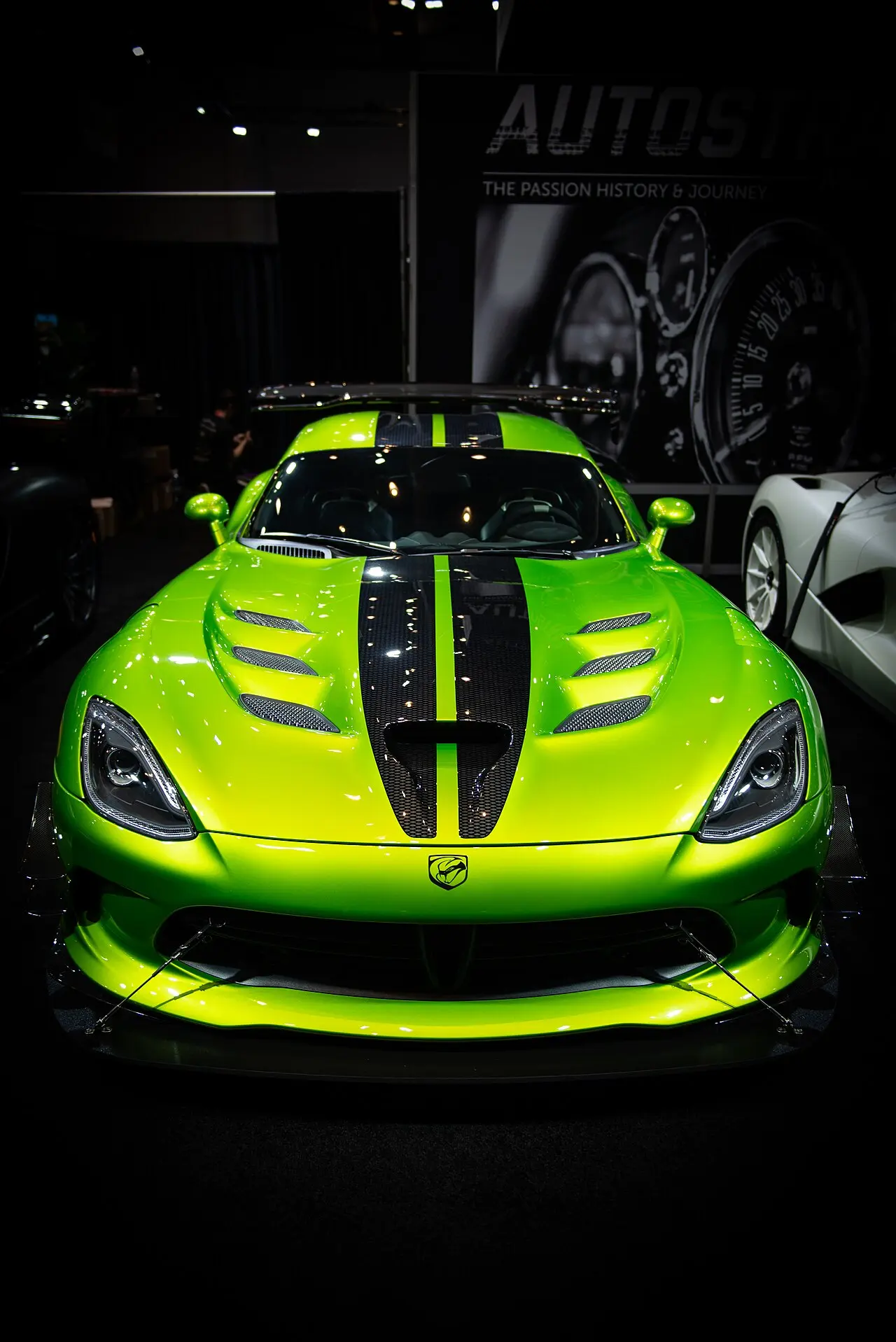
Dodge Viper VX I
Photo: John Bauld from Toronto, Canada / Wikimedia Commons · CC BY 2.0

Model codes: VX · Sold in: United States, Canada, and European Union · References: en.wikipedia.org

United States 3 versions

Model years sold in the USA, from the EPA and the Department of Energy (fueleconomy.gov). MPG on the EPA test; litres per 100 km = 235.215 ÷ MPG.

Years and versionEngineFuelGearboxDriveConsumption (combined)CO₂
20178.4 LPetrol6-speed manualRear-wheel drive14 MPG (16.8 L/100 km) EPA387 g/km
20168.4 LPetrol6-speed manualRear-wheel drive15 MPG (15.7 L/100 km) EPA360 g/km
20158.4 LPetrol6-speed manualRear-wheel drive15 MPG (15.7 L/100 km) EPA365 g/km

Canada 3 versions

Model years sold in Canada, from Natural Resources Canada fuel consumption ratings (5-cycle test).

Years and versionEngineFuelGearboxConsumption (combined)CO₂
2017Two-seater8.4 LPetrol6-speed manual16.6 L/100 km 5-cycle387 g/km
2016Two-seater8.4 LPetrol6-speed manual15.6 L/100 km 5-cycle364 g/km
2015Two-seater8.4 LPetrol6-speed manual15.8 L/100 km 5-cycle363 g/km

Versions outside these generations

United Kingdom 1 version

New cars on sale in the UK, from the Vehicle Certification Agency. NEDC figures until 2018 and WLTP figures after; years are the editions a version appeared in.

Years and versionEngineFuelGearboxConsumption (combined)CO₂
2007–2009Cabriolet8.3 LPetrol6-speed manual21.1 L/100 km NEDC488 g/km

Official figures are measured on standard test procedures and differ between markets. Your consumption depends on how, where and in what conditions you drive.