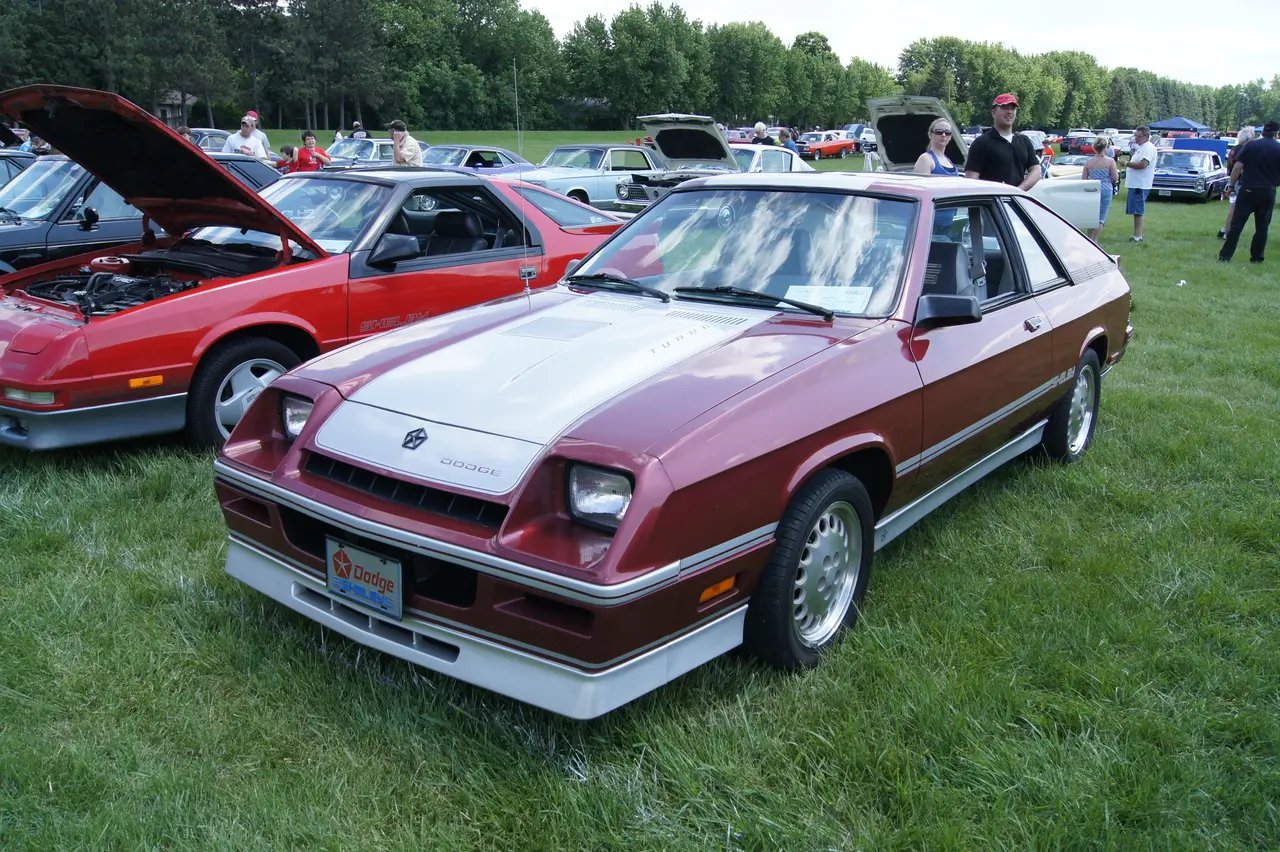
What is the Dodge Shelby Charger?
The Shelby Charger was a sporty version of Dodge’s compact, front-wheel-drive Charger hatchback. Carroll Shelby’s collaboration with Dodge began with the Shelby Charger, bringing a performance-minded version of the small car to Dodge’s range.
Engine
The 1987 US versions use a 2.2 L petrol engine. The EPA listing covers two versions but gives no power rating.
How economical is the Shelby Charger?
The best combined EPA rating is 21 MPG, equivalent to the lowest listed consumption of 11.2 L/100 km. EPA testing differs from the WLTP and NEDC procedures used in Europe and Canada’s five-cycle test.
Where was it sold?
In the United States, the Shelby Charger was listed for the 1987 model year, with two petrol versions. It was a compact hatchback with Shelby’s performance treatment.
Questions and answers
What body style is the Shelby Charger?
It is a sporty version of Dodge’s compact, front-wheel-drive hatchback.
What engine does it have?
The US versions use a 2.2 L petrol engine.
What is its EPA fuel-economy figure?
The best combined EPA rating is 21 MPG, equivalent to the lowest listed consumption of 11.2 L/100 km.