Dodge

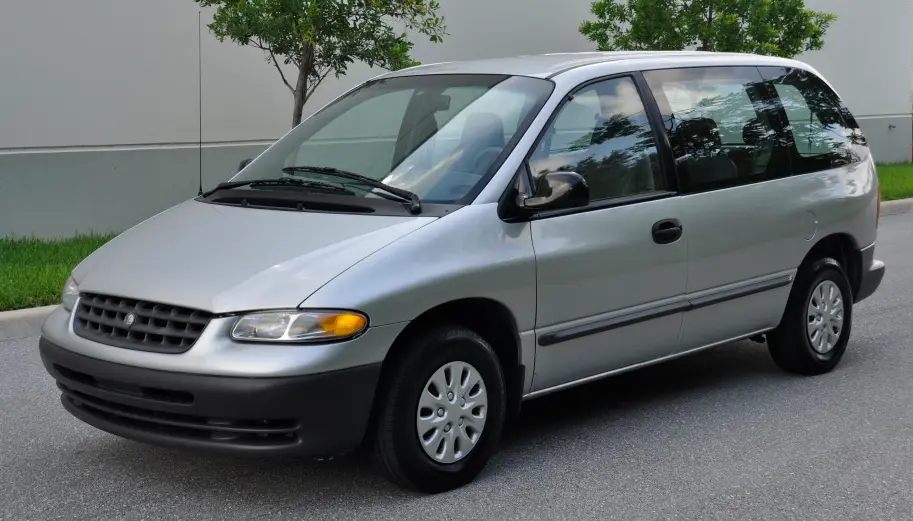
Dodge Grand Caravan

Dodge Grand Caravan
Photo: CZmarlin / Wikimedia Commons · CC BY-SA 4.0

The official data lists 144 versions of the Dodge Grand Caravan (1991–2020), in the European Union, the United States, and Canada. Each market publishes its own figures, measured on its own test procedure.

At a glance

Years in the data
1991–2020
Markets
European Union, United States, Canada
Engines
2.4 L to 4.0 L
Fuels
Petrol, Flex fuel (E85), Electric, Natural gas
Lowest consumption (United States)
10.7 L/100 km (EPA)
Lowest consumption (Canada)
11.6 L/100 km (5-cycle)
New registrations in the EU
26

What is the Dodge Grand Caravan?

The Dodge Grand Caravan is a family minivan with space for passengers and luggage. Dodge introduced the Caravan in 1984, and the Grand Caravan name carried the longer-wheelbase version. Later models offered Stow ’n Go seating, which folds seats into underfloor compartments to free space for cargo.

Grand Caravan generations and engines

The second generation ran from 1991 to 1995, followed by the third from 1996 to 2000, the fourth from 2001 to 2007, and the fifth from 2008 to 2020. Across those generations, the Grand Caravan continued as a passenger minivan; the fifth generation was the last.

US engine sizes ranged from 2.4 to 4.0 litres, with petrol, E85 flex-fuel, electric and natural gas versions listed. Canada’s range ran from 2.4 to 3.8 litres and included petrol and E85 flex-fuel versions. The EU’s 2019 registration figures list a 3.6-litre petrol version producing 211 kW (287 PS).

How economical is the Dodge Grand Caravan?

The best combined EPA rating is 22 MPG, and the lowest listed US consumption is 10.7 L/100 km. Canada’s lowest listed figure is 11.6 L/100 km on the NRCan 5-cycle test. EPA, NRCan 5-cycle, and European WLTP and NEDC procedures differ, so results across markets are not direct comparisons.

Where was the Dodge Grand Caravan sold?

US model years span 1991 to 2020, while Canadian figures cover 1995 to 2020. In the European Economic Area, the listed 2019 version recorded 26 registrations.

Questions and answers

When did the Grand Caravan’s fifth generation run?

The fifth generation ran from 2008 to 2020.

What engine powered the EU-listed 2019 version?

It had a 3.6-litre petrol engine producing 211 kW (287 PS).

What is the best combined EPA fuel economy listed?

The best combined EPA rating is 22 MPG.

What is Stow ’n Go seating?

It lets seats fold into underfloor compartments, freeing cabin space for cargo.
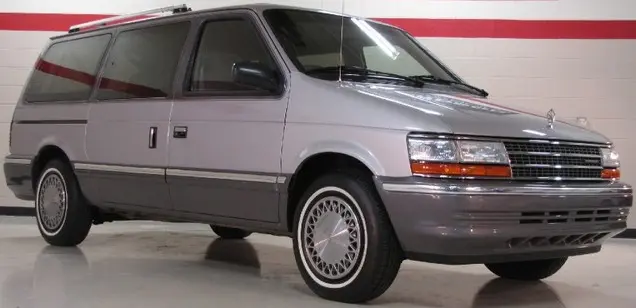
Grand Caravan second generation (1991–1995)

Dodge Grand Caravan second generation
Photo: Hkw2121 / Wikimedia Commons · Public domain

Model codes: AS · Sold in: United States and Canada · References: en.wikipedia.org

Show all 34 versions

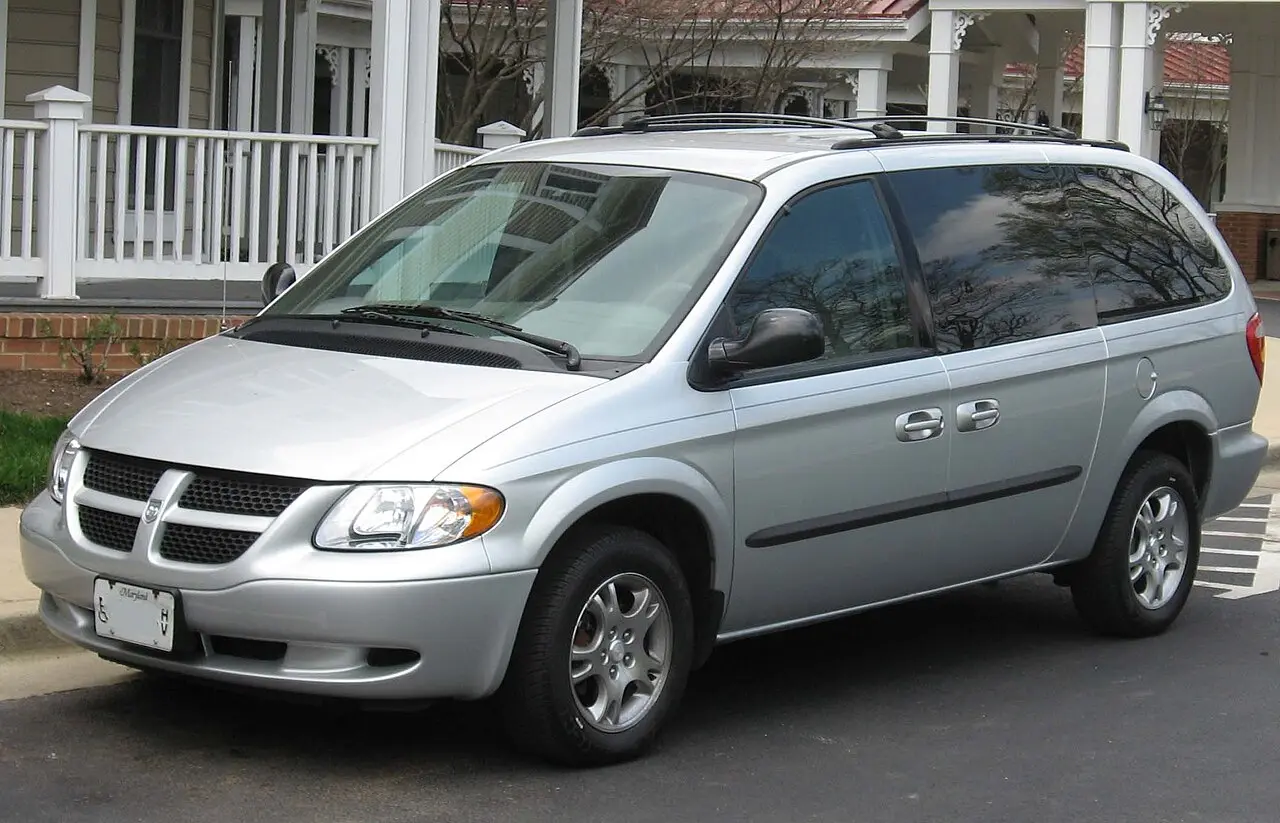
Grand Caravan third generation (1996–2000)

Dodge Grand Caravan third generation
Photo: TheMercMan / Wikimedia Commons · CC BY-SA 3.0

Model codes: NS · Sold in: United States and Canada · References: en.wikipedia.org

Show all 46 versions

Grand Caravan fourth generation (2001–2007)

Dodge Grand Caravan fourth generation
Photo: IFCAR / Wikimedia Commons · Public domain

Model codes: RS · Sold in: United States and Canada · References: en.wikipedia.org

Show all 39 versions

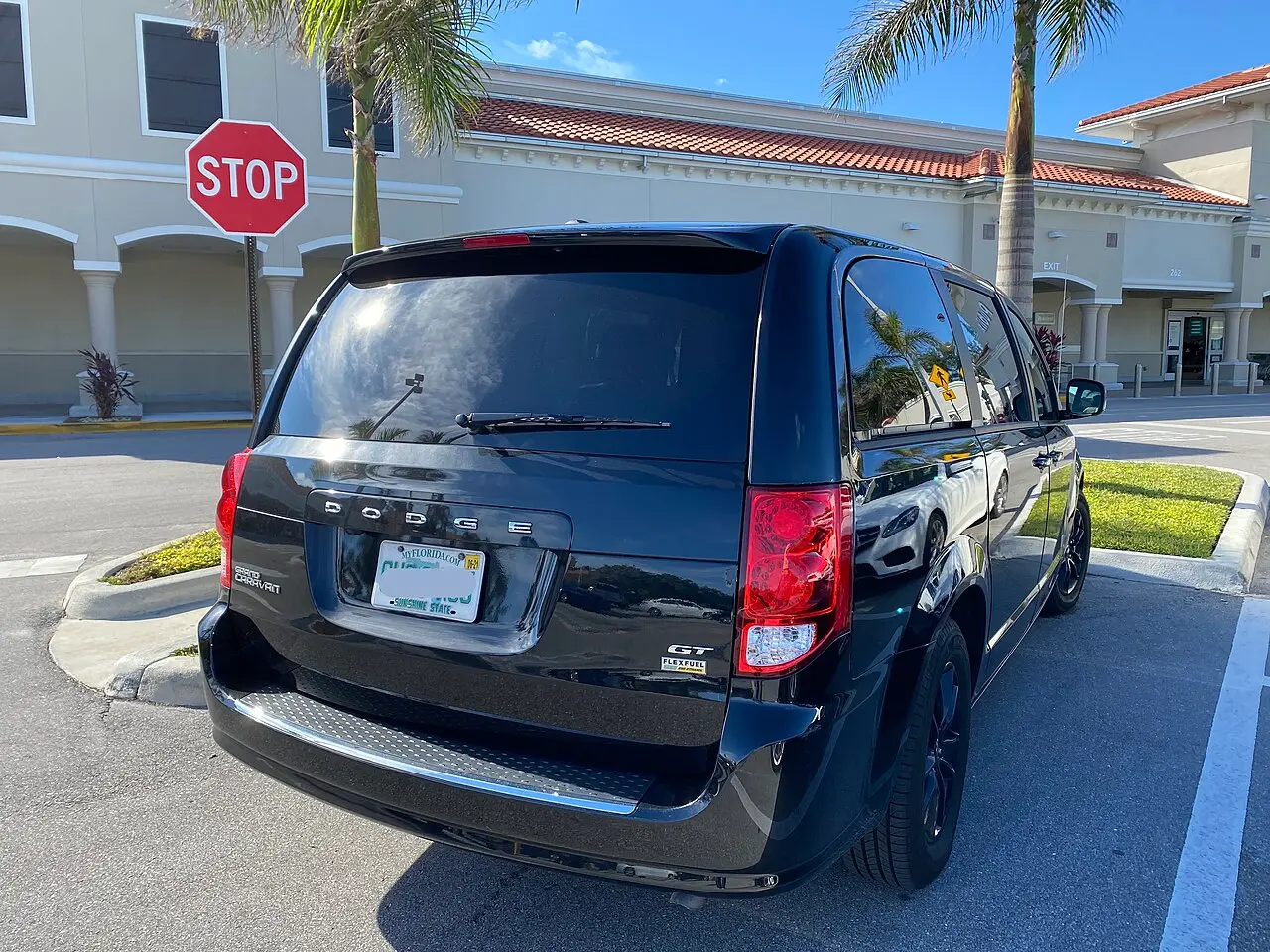
Grand Caravan fifth generation (2008–2020)

Dodge Grand Caravan fifth generation
Photo: CZmarlin / Wikimedia Commons · CC BY-SA 4.0

Model codes: RT · Sold in: United States and Canada · References: en.wikipedia.org, cars.com

United States 8 versions

Model years sold in the USA, from the EPA and the Department of Energy (fueleconomy.gov). MPG on the EPA test; litres per 100 km = 235.215 ÷ MPG.

Years and versionEngineFuelGearboxDriveConsumption (combined)CO₂
2013–20203.6 LPetrol6-speed automaticFront-wheel drive20 MPG (11.8 L/100 km) EPA277 g/km
2013–2019FFV3.6 LFlex fuel (E85)6-speed automaticFront-wheel drive20 MPG (11.8 L/100 km) EPA277 g/km
2011–2012FFV3.6 LFlex fuel (E85)6-speed automaticFront-wheel drive20 MPG (11.8 L/100 km) EPA276 g/km
2008–2010GAS 380, CLKUP · FFV3.3 LFlex fuel (E85)4-speed automaticFront-wheel drive19 MPG (12.4 L/100 km) EPA291 g/km
2008–2010CMODE CLKUP3.8 LPetrol6-speed automaticFront-wheel drive18 MPG (13.1 L/100 km) EPA307 g/km
2009–2010CMODE CLKUP4.0 LPetrol6-speed automaticFront-wheel drive20 MPG (11.8 L/100 km) EPA276 g/km
2008CLKUP3.3 LPetrol4-speed automaticFront-wheel drive19 MPG (12.4 L/100 km) EPA291 g/km
2008CMODE CLKUP4.0 LPetrol6-speed automaticFront-wheel drive18 MPG (13.1 L/100 km) EPA307 g/km

Canada 16 versions

Model years sold in Canada, from Natural Resources Canada fuel consumption ratings (5-cycle test).

Years and versionEngineFuelGearboxConsumption (combined)CO₂
2016–2020Minivan3.6 LPetrol6-speed automatic11.8 L/100 km 5-cycle276 g/km
2017–2019Minivan3.6 LFlex fuel (E85)6-speed automatic16.7 L/100 km 5-cycle274 g/km
2016Minivan3.6 LFlex fuel (E85)6-speed automatic16.4 L/100 km 5-cycle269 g/km
2011–2015Minivan3.6 LPetrol6-speed automatic11.8 L/100 km 5-cycle271 g/km
2015Minivan3.6 LFlex fuel (E85)6-speed automatic16.4 L/100 km 5-cycle262 g/km
2014Minivan3.6 LFlex fuel (E85)6-speed automatic16.5 L/100 km 5-cycle264 g/km
2011–2013Minivan3.6 LFlex fuel (E85)6-speed automatic16.4 L/100 km 5-cycle262 g/km
2008–2010Minivan3.3 LPetrol4-speed automatic12.3 L/100 km 5-cycle283 g/km
2009–2010Minivan3.3 LPetrol4-speed automatic12.0 L/100 km 5-cycle276 g/km
2010Minivan3.3 LFlex fuel (E85)4-speed automatic17.5 L/100 km 5-cycle280 g/km
2010Minivan3.3 LFlex fuel (E85)4-speed automatic17.2 L/100 km 5-cycle275 g/km
2009–2010Minivan4.0 LPetrol6-speed automatic11.8 L/100 km 5-cycle271 g/km
2008–2009Minivan3.3 LFlex fuel (E85)4-speed automatic17.0 L/100 km 5-cycle272 g/km
2009Minivan3.3 LFlex fuel (E85)4-speed automatic16.7 L/100 km 5-cycle267 g/km
2008Minivan3.3 LFlex fuel (E85)4-speed automatic16.4 L/100 km 5-cycle262 g/km
2008Minivan3.8 LPetrol6-speed automatic12.8 L/100 km 5-cycle294 g/km

Versions outside these generations

European Union 1 version

New cars registered in the EU (plus Norway and Iceland), from the European Environment Agency. Figures on the NEDC procedure until 2020 and on WLTP from 2021; versions are grouped by engine and power, with their number of registrations.

Years and versionEnginePowerFuelCO₂EU registrations
20193.6 L211 kW (287 PS)Petrol251 g/km26

Official figures are measured on standard test procedures and differ between markets. Your consumption depends on how, where and in what conditions you drive.