The official data lists 173 versions of the Dodge Charger (1984–2027), in the European Union, the United States, and Canada. Each market publishes its own figures, measured on its own test procedure.
At a glance
Years in the data
1984–2027
Markets
European Union, United States, Canada
Engines
1.6 L to 6.4 L
Power
362 kW (492 PS) to 527 kW (717 PS)
Fuels
Petrol, Electric, Flex fuel (E85)
Lowest consumption (United States)
7.8 L/100 km (EPA)
Lowest consumption (Canada)
10.2 L/100 km (5-cycle)
New registrations in the EU
995
What is the Dodge Charger?
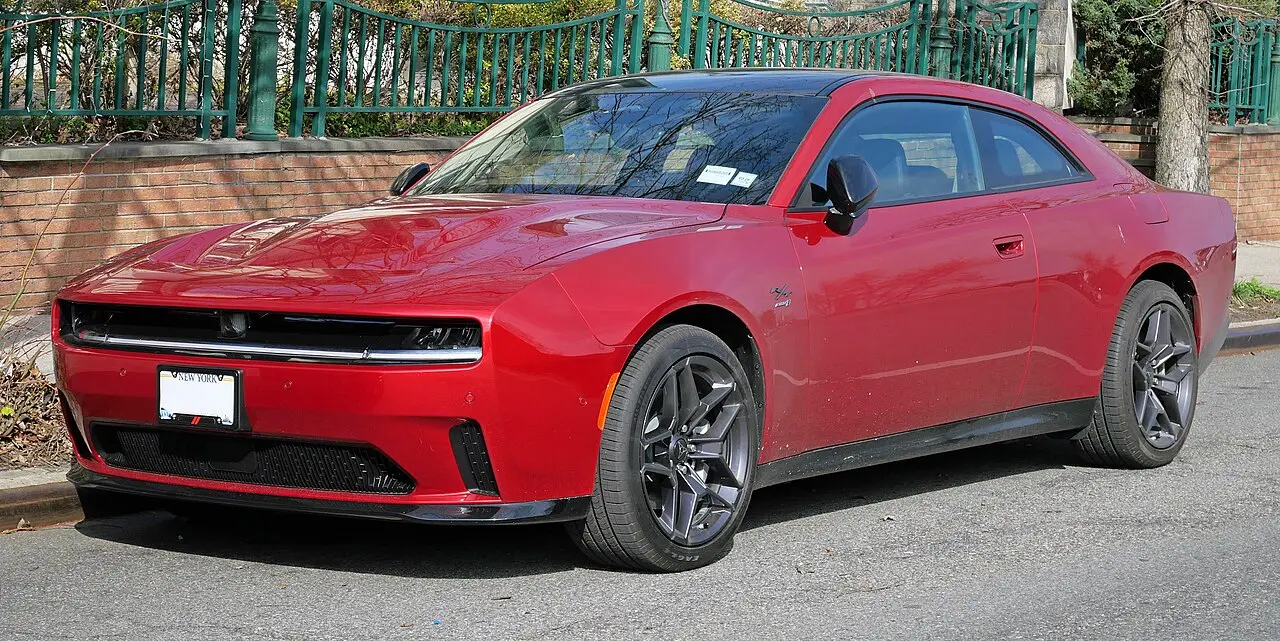
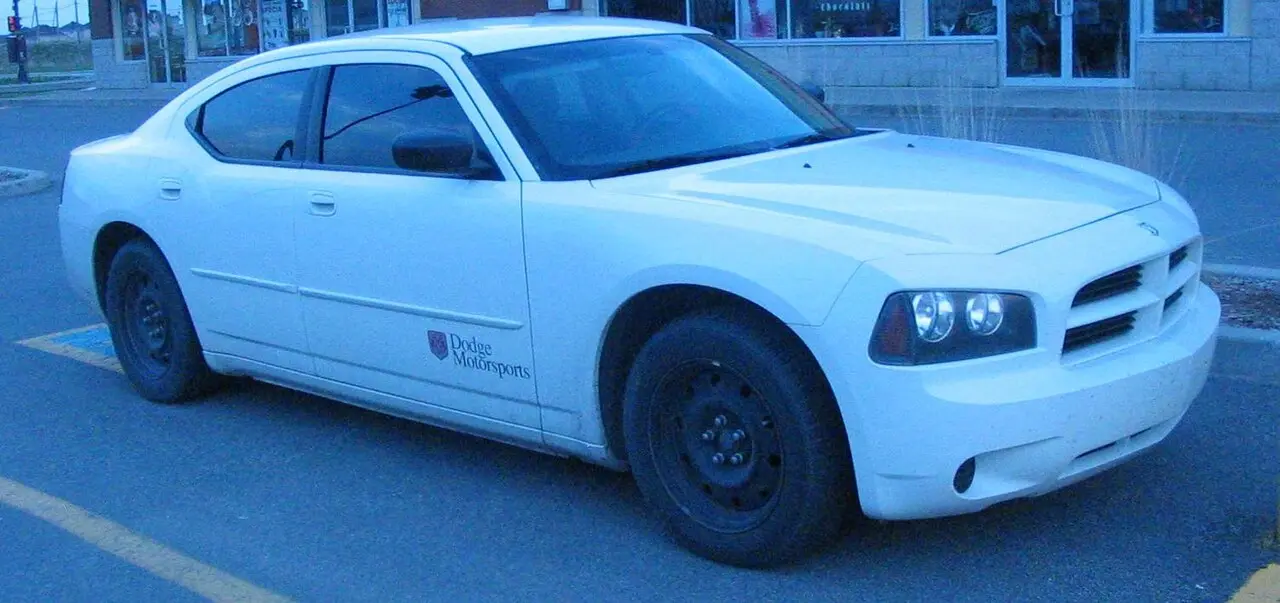
The Charger is a Dodge performance car known in its recent generations as a four-door sedan. Its extra doors and passenger space give it a more practical shape than a traditional two-door muscle car, while keeping the focus on performance.
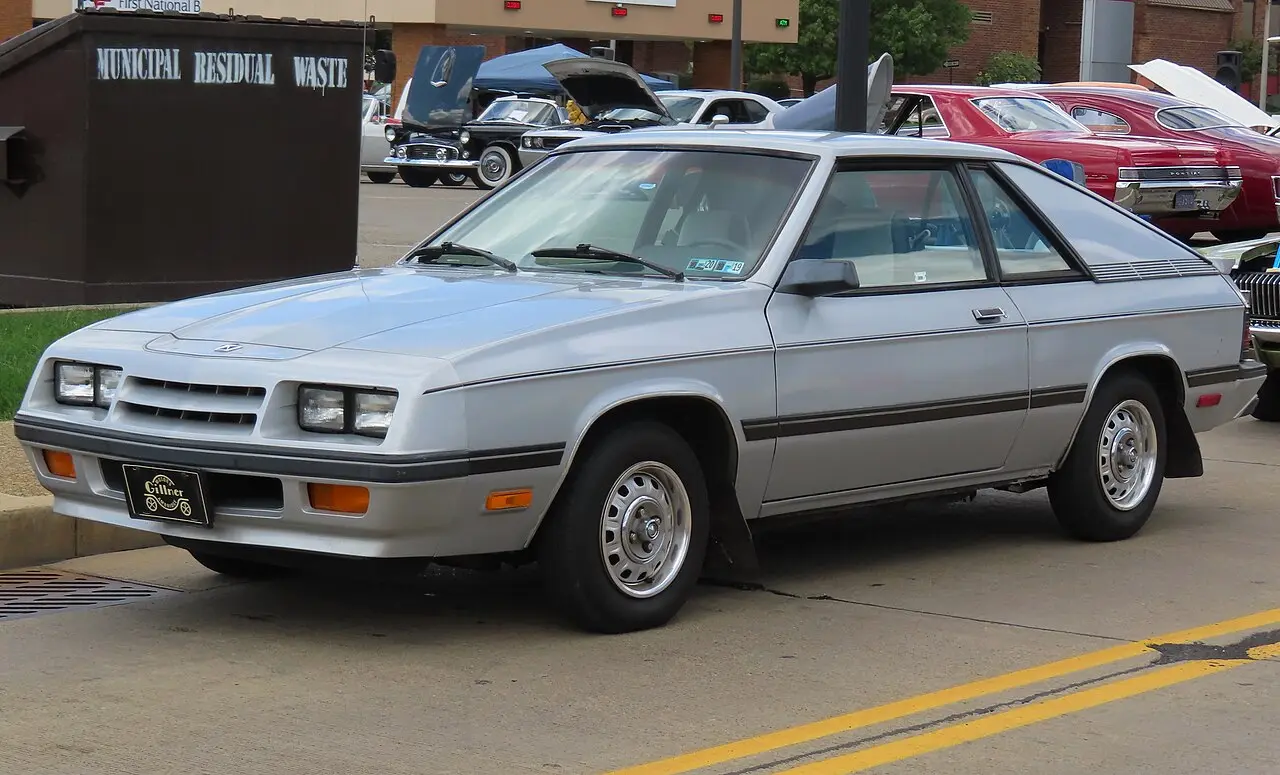
The fifth generation ran from 1984 to 1987. After a gap, the sixth generation returned for 2006–2010 as a rear-wheel-drive sedan. The seventh generation followed from 2011 to 2023. The eighth began in 2024, bringing an electric version and a new design inspired by the classic Charger.
Engines and power
EU registration figures from 2016 to 2025 cover petrol Chargers with 6.2- to 6.4-litre engines and power from 362 kW (492 PS) to 527 kW (717 PS). US EPA listings span 1984–2027 and include electric, petrol and E85 flex-fuel versions, with engine sizes from 1.6 to 6.4 litres. Canadian NRCan listings cover 2006–2026 and the same fuel types, with 2.7- to 6.4-litre engines and power from 370 kW (503 PS) to 500 kW (680 PS).
How economical is the Dodge Charger?
The lowest listed US consumption is 7.8 L/100 km, and the best combined EPA rating is 30 MPG. Canada’s lowest listed figure is 10.2 L/100 km on the 5-cycle test. The EPA and Canadian 5-cycle procedures differ, so results are best read within each market. In Europe, WLTP and NEDC procedures also differ from each other and from North American tests.
Where was the Charger sold?
EU registration figures cover 2016–2025. US EPA listings span 1984–2027, while Canadian NRCan listings cover 2006–2026.
Questions and answers
Is the Dodge Charger electric?
The eighth generation, which began in 2024, includes an electric version. US and Canadian listings also include petrol and E85 versions.
How powerful is the Charger in EU listings?
The listed petrol range is 362 kW (492 PS) to 527 kW (717 PS), with 6.2- to 6.4-litre engines.
Model codes: LB · Sold in: United States, Canada, and European Union · References: dodge.com
European Union 4 versions
New cars registered in the EU (plus Norway and Iceland), from the European Environment Agency. Figures on the NEDC procedure until 2020 and on WLTP from 2021; versions are grouped by engine and power, with their number of registrations.
Years and version
Engine
Power
Fuel
Consumption (combined)
CO₂
EU registrations
2025
6.4 L
362 kW (492 PS)
Petrol
–
311 g/km
29
2025
6.2 L
535 kW (727 PS)
Petrol
13.9 L/100 km WLTP
315 g/km
16
2024
6.4 L
362 kW (492 PS)
Petrol
–
316 g/km
69
2024
6.2 L
535 kW (727 PS)
Petrol
–
345 g/km
12
United States 14 versions
Model years sold in the USA, from the EPA and the Department of Energy (fueleconomy.gov). MPG on the EPA test; litres per 100 km = 235.215 ÷ MPG.
Years and version
Engine
Fuel
Gearbox
Drive
Consumption (combined)
CO₂
Electric range
2024–2027
Electric motor
Electric
Automatic
All-wheel drive
78 MPGe EPA
0 g/km
388 km
2026–2027
Electric motor
Electric
Automatic
All-wheel drive
86 MPGe EPA
0 g/km
430 km
2027
Electric motor
Electric
Automatic
All-wheel drive
75 MPGe EPA
0 g/km
372 km
2026
Electric motor
Electric
Automatic
All-wheel drive
72 MPGe EPA
0 g/km
359 km
2026
Electric motor
Electric
Automatic
All-wheel drive
85 MPGe EPA
0 g/km
423 km
2026
Electric motor
Electric
Automatic
All-wheel drive
95 MPGe EPA
0 g/km
475 km
2026
Electric motor
Electric
Automatic
All-wheel drive
83 MPGe EPA
0 g/km
415 km
2026SIDI
3.0 L
Petrol
8-speed automatic
All-wheel drive
19 MPG (12.4 L/100 km) EPA
292 g/km
–
2026SIDI
3.0 L
Petrol
8-speed automatic
All-wheel drive
20 MPG (11.8 L/100 km) EPA
276 g/km
–
2024–2025
Electric motor
Electric
Automatic
All-wheel drive
87 MPGe EPA
0 g/km
441 km
2024–2025
Electric motor
Electric
Automatic
All-wheel drive
85 MPGe EPA
0 g/km
431 km
2024–2025
Electric motor
Electric
Automatic
All-wheel drive
98 MPGe EPA
0 g/km
496 km
2024–2025
Electric motor
Electric
Automatic
All-wheel drive
70 MPGe EPA
0 g/km
348 km
2025
Electric motor
Electric
Automatic
All-wheel drive
88 MPGe EPA
0 g/km
449 km
Canada 13 versions
Model years sold in Canada, from Natural Resources Canada fuel consumption ratings (5-cycle test).
Years and version
Engine
Power
Fuel
Gearbox
Consumption (combined)
CO₂
Electric range
2026Full-size
Electric motor
370 kW (503 PS)
Electric
Automatic
24.9 kWh/100 km 5-cycle
0 g/km
423 km
2026Full-size
Electric motor
370 kW (503 PS)
Electric
Automatic
22.1 kWh/100 km 5-cycle
0 g/km
475 km
2026Full-size
Electric motor
370 kW (503 PS)
Electric
Automatic
25.2 kWh/100 km 5-cycle
0 g/km
415 km
2026Full-size
Electric motor
370 kW (503 PS)
Electric
Automatic
24.3 kWh/100 km 5-cycle
0 g/km
430 km
2024–2026Full-size
Electric motor
500 kW (680 PS)
Electric
Automatic
27.0 kWh/100 km 5-cycle
0 g/km
388 km
2026Full-size
Electric motor
500 kW (680 PS)
Electric
Automatic
24.3 kWh/100 km 5-cycle
0 g/km
430 km
2026Full-size
Electric motor
500 kW (680 PS)
Electric
Automatic
29.0 kWh/100 km 5-cycle
0 g/km
359 km
2026Full-size
3.0 L
–
Petrol
8-speed automatic
11.8 L/100 km 5-cycle
276 g/km
–
2026Full-size
3.0 L
–
Petrol
8-speed automatic
12.5 L/100 km 5-cycle
292 g/km
–
2024–2025Full-size
Electric motor
370 kW (503 PS)
Electric
Automatic
24.1 kWh/100 km 5-cycle
0 g/km
441 km
2024–2025Full-size
Electric motor
370 kW (503 PS)
Electric
Automatic
21.5 kWh/100 km 5-cycle
0 g/km
496 km
2024–2025Full-size
Electric motor
370 kW (503 PS)
Electric
Automatic
24.6 kWh/100 km 5-cycle
0 g/km
431 km
2024–2025Full-size
Electric motor
500 kW (680 PS)
Electric
Automatic
29.9 kWh/100 km 5-cycle
0 g/km
348 km
Official figures are measured on standard test procedures and differ between markets. Your consumption depends on how, where and in what conditions you drive.