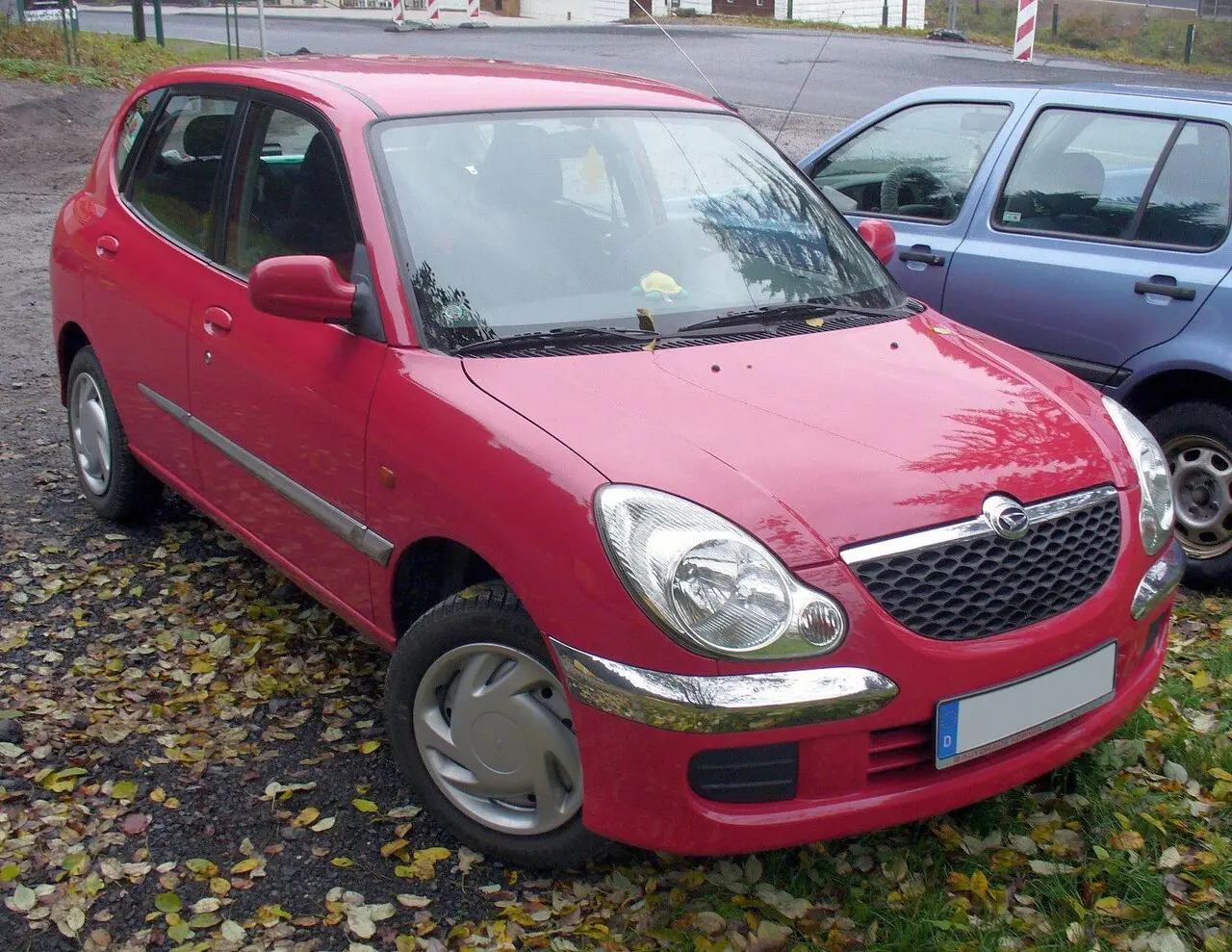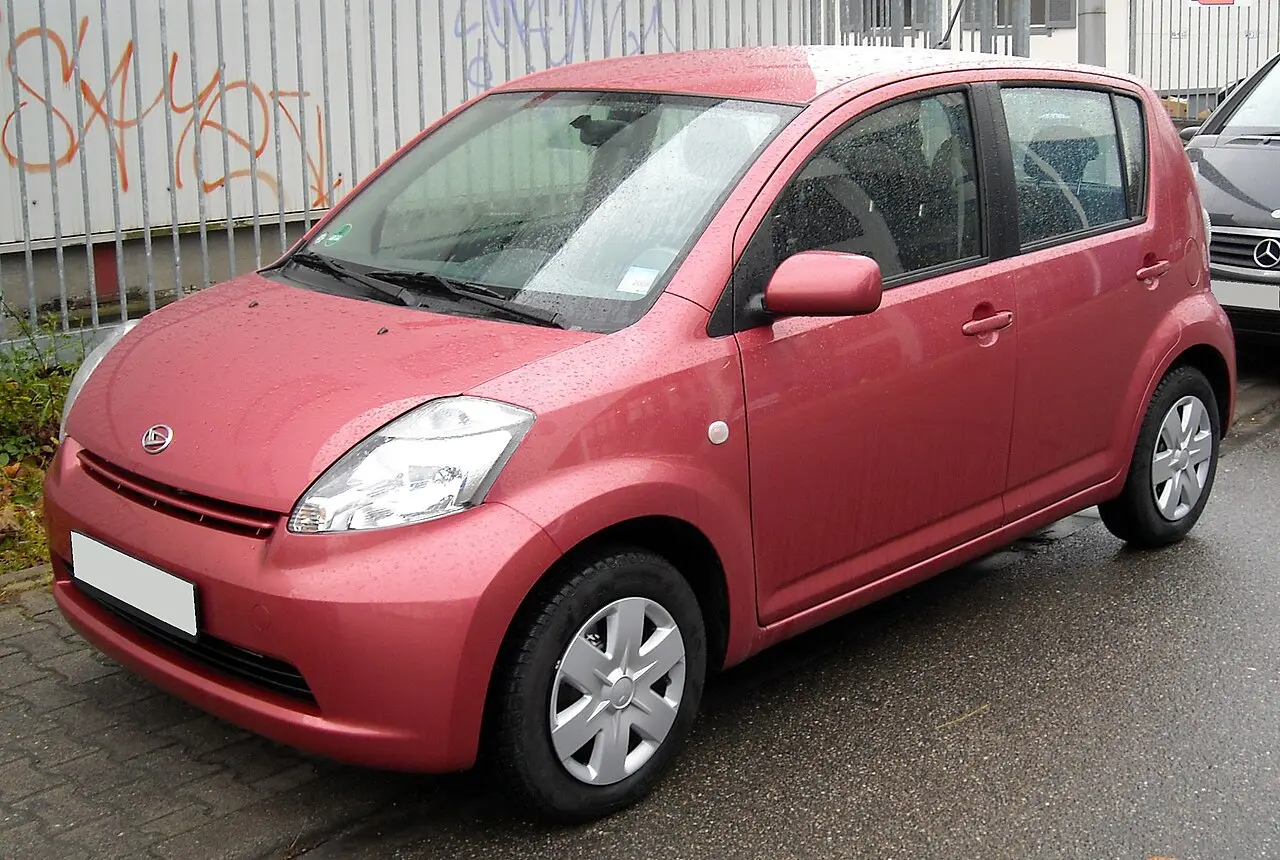
What is the Daihatsu Sirion?
The Sirion is a small hatchback designed for everyday driving, with a compact footprint and a practical cabin. It was part of Daihatsu’s passenger-car range, which has long included small cars. In some export markets, the Sirion name was used for Daihatsu’s small-car models.
The first generation ran from 2000–2004, followed by the second from 2004–2015. The second generation brought a new design, and availability varied between markets.
Engines and power
In the European Union (EEA), the Sirion appears in 18 versions from 2010–2013. Engine sizes span 1.0 L to 1.5 L, with power from 51 kW (69 PS) to 76 kW (103 PS); entries include petrol and LPG. The 1.3 L petrol version recorded 3,782 registrations in 2010, while the 1.0 L petrol version recorded 3,200 that year. A 1.3 L petrol version rated at 67 kW (91 PS) recorded 2,208 registrations in 2011.
How economical is the Daihatsu Sirion?
The lowest UK VCA figure is 5 L/100 km on the NEDC test. UK listings cover 14 petrol versions from 2000–2010, with engines from 1.0 L to 1.5 L. France’s ADEME listing for 2012 shows one petrol version, rated at 51 kW (69 PS), with the same lowest NEDC consumption of 5 L/100 km.
Where was the Sirion sold?
The Sirion appears in European Union, UK and French market listings. EEA registrations totalled 15,286 from 2010–2013. The name was used for export versions of Daihatsu small cars, and the model’s availability and timing varied around the world.
Questions and answers
What are the Sirion’s generation years?
The first generation ran from 2000–2004 and the second from 2004–2015.
What engine sizes and power appear in the EU figures?
The 2010–2013 EEA entries span 1.0 L to 1.5 L and 51 kW (69 PS) to 76 kW (103 PS).
What is the lowest official Sirion consumption shown?
The lowest listed figure is 5 L/100 km on the NEDC test, in both the UK VCA and French ADEME entries.