Daewoo

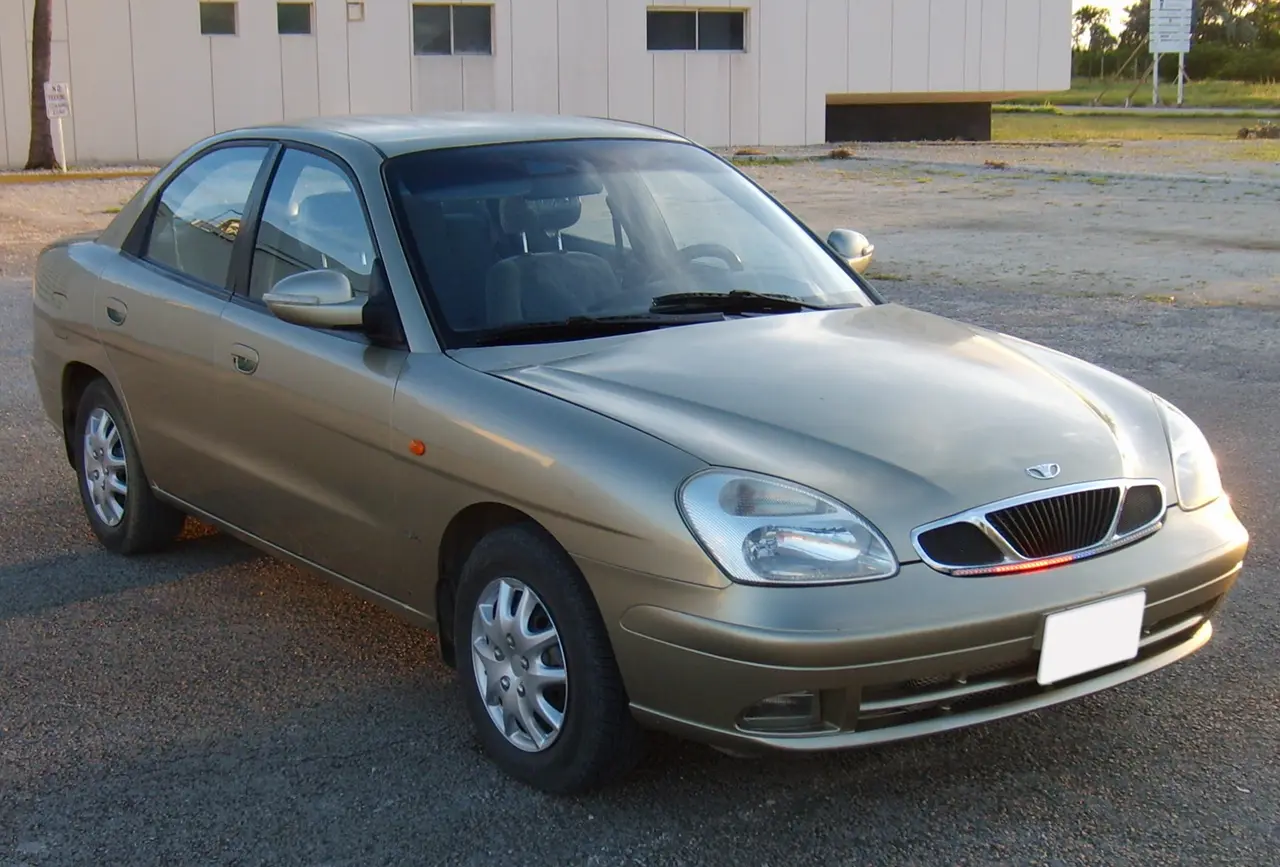
Daewoo Nubira

Daewoo Nubira
Photo: Clinton Snow, Mr.choppers / Wikimedia Commons · CC BY-SA 4.0

The official data lists 37 versions of the Daewoo Nubira (1998–2004), in the United Kingdom, the United States, and Canada. Each market publishes its own figures, measured on its own test procedure.

At a glance

Years in the data
1998–2004
Markets
United Kingdom, United States, Canada
Engines
1.6 L to 2.0 L
Fuels
Petrol
Lowest consumption (United Kingdom)
7.1 L/100 km (NEDC)
Lowest consumption (United States)
9.4 L/100 km (EPA)
Lowest consumption (Canada)
10.3 L/100 km (5-cycle)

What is the Daewoo Nubira?

The Nubira was a family car in Daewoo’s range, offered in saloon, hatchback and estate forms. The estate gave families extra room for luggage, while the other body styles suited everyday driving. It sat between the smaller Lanos and the larger Leganza.

The Nubira was part of Daewoo’s effort to build a range of cars under its own name. Across its generations, the design changed, and the later model was sold as the Lacetti in some markets.

Nubira generations

The J100 was sold from 1998 to 1999 in the United States and Canada. The J150 followed from 2000 to 2002 in those markets and the United Kingdom. The J200 ran from 2003 to 2004 in Europe and the UK; in some markets it was called the Lacetti. It brought a substantially new design and came in several body styles.

Engines and fuel consumption

The petrol engines ranged from 1.6 to 2.0 litres in the UK and US. Canada’s listed range used a 2.0-litre engine. The lowest UK VCA figure is 7.1 L/100 km on the NEDC test. The US EPA figure is 9.4 L/100 km, with a best combined rating of 25 MPG. Canada’s lowest listed figure is 10.3 L/100 km on the NRCan five-cycle test. These results are not directly comparable: European NEDC, US EPA and Canadian five-cycle procedures measure fuel use differently.

Where was the Nubira sold?

The Nubira appears in official figures for the UK from 2000 to 2004, the US from 1998 to 2003 and Canada from 1999 to 2002. The name and body style varied across markets and generations.

Questions and answers

Was the Nubira a saloon or an estate?

It was offered as a saloon, hatchback and estate.

What engines were available?

The listed petrol ranges run from 1.6 to 2.0 litres in the UK and US; the Canadian range used a 2.0-litre engine.

What is the lowest official fuel consumption listed for the Nubira?

The UK VCA NEDC figure is 7.1 L/100 km. The US EPA figure is 9.4 L/100 km and the Canadian NRCan five-cycle figure is 10.3 L/100 km. The test procedures differ.
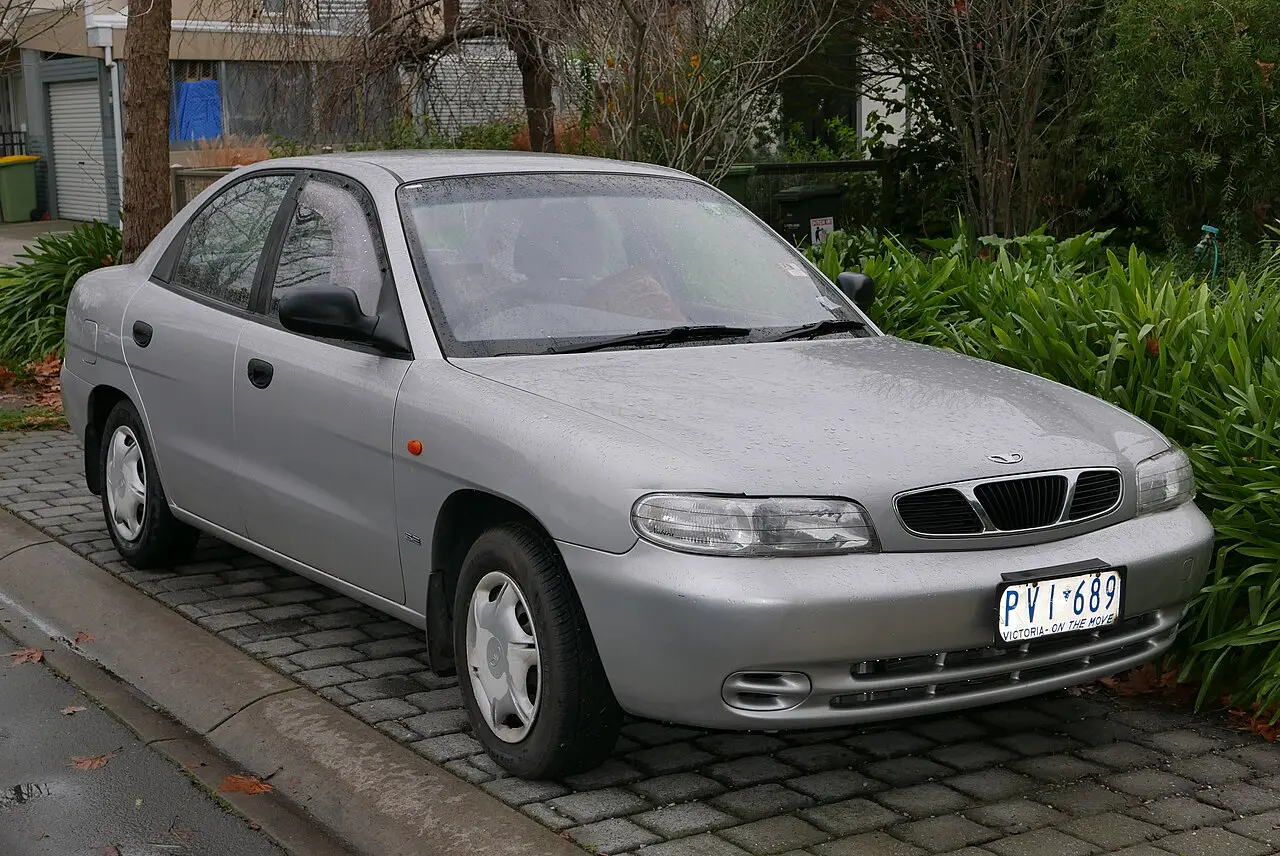
Nubira J100 (1998–1999)

Daewoo Nubira J100
Photo: OSX / Wikimedia Commons · Public domain

Model codes: J100 · Sold in: United States and Canada · References: auto-motor-und-sport.de

Show all 6 versions

Nubira J150 (2000–2002)

Daewoo Nubira J150
Photo: Clinton Snow, Mr.choppers / Wikimedia Commons · CC BY-SA 4.0

Model codes: J150 · Sold in: United States, Canada, and United Kingdom · References: auto-motor-und-sport.de, en.wikipedia.org

Show all 26 versions

Nubira J200 (2003–2004)

Model codes: J200 · Sold in: European Union and United Kingdom · References: auto-motor-und-sport.de, en.wikipedia.org

United Kingdom 3 versions

New cars on sale in the UK, from the Vehicle Certification Agency. NEDC figures until 2018 and WLTP figures after; years are the editions a version appeared in.

Years and versionEngineFuelGearboxConsumption (combined)CO₂
20041.6 SX1.6 LPetrol5-speed manual7.1 L/100 km NEDC178 g/km
20041.8 CDX1.8 LPetrol5-speed manual7.5 L/100 km NEDC183 g/km
20041.8 CDX1.8 LPetrol4-speed automatic9.1 L/100 km NEDC218 g/km

Versions outside these generations

United States 2 versions

Model years sold in the USA, from the EPA and the Department of Energy (fueleconomy.gov). MPG on the EPA test; litres per 100 km = 235.215 ÷ MPG.

Years and versionEngineFuelGearboxDriveConsumption (combined)CO₂
2003DOHC-IL4, EMS2.0 LPetrol4-speed automaticFront-wheel drive20 MPG (11.8 L/100 km) EPA276 g/km
2003DOHC-IL42.0 LPetrol5-speed manualFront-wheel drive22 MPG (10.7 L/100 km) EPA251 g/km

Official figures are measured on standard test procedures and differ between markets. Your consumption depends on how, where and in what conditions you drive.