CUPRA

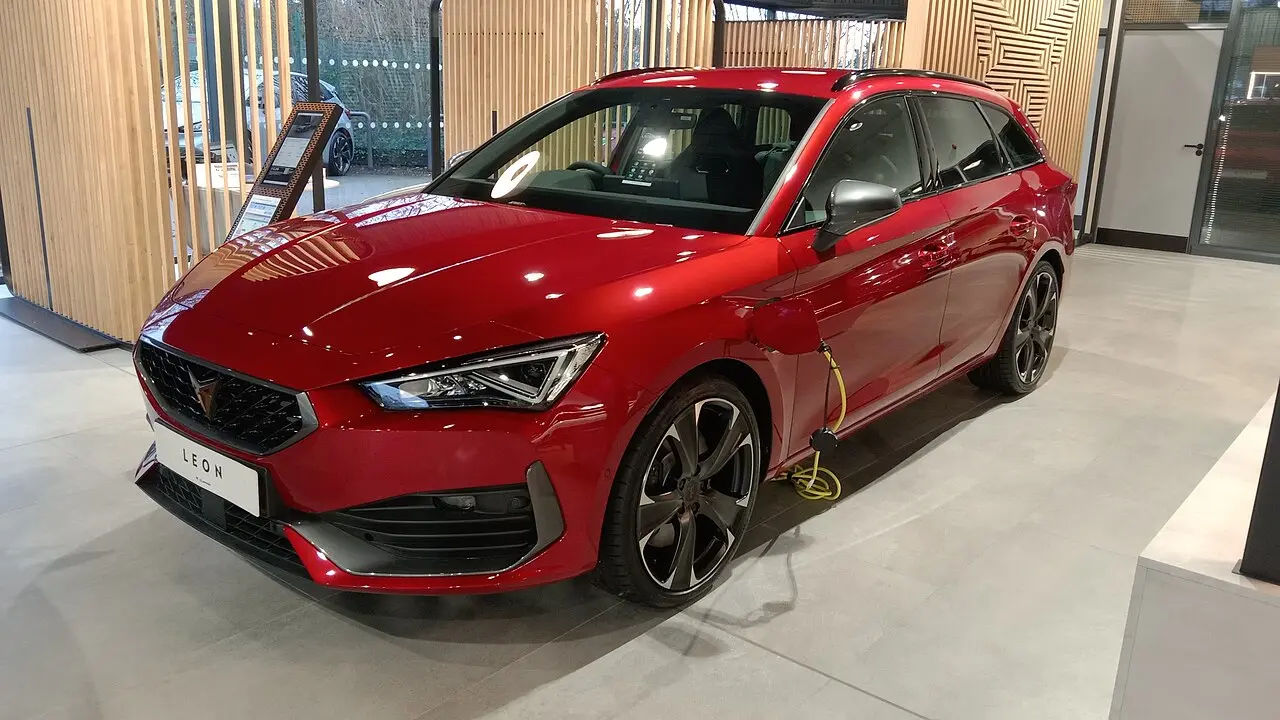
CUPRA Leon

CUPRA Leon
Photo: MoCars / Wikimedia Commons · CC0

The official data lists 42 versions of the CUPRA Leon (2020–2025), in the European Union. Each market publishes its own figures, measured on its own test procedure.

At a glance

Years in the data
2020–2025
Markets
European Union
Engines
1.4 L to 2.0 L
Power
110 kW (150 PS) to 245 kW (333 PS)
Fuels
Hybrid, Plug-in hybrid, Petrol, Diesel
Lowest consumption (European Union)
1.4 L/100 km (WLTP)
Plug-in hybrid, weighted (European Union)
0.5 L/100 km (WLTP)
New registrations in the EU
180,601

What is the CUPRA Leon?

The Leon is CUPRA’s sporty compact car, with a practical hatchback shape and a character shaped by the brand’s performance roots. It is part of CUPRA’s compact-car range alongside crossovers such as the Formentor. The current generation, known as Mk4, began in 2020. The range includes a hatchback and a longer Sportstourer estate, with styling and equipment updates during this generation.

Engines and power

EU versions have 1.4 L to 2.0 L engines and output from 110 kW (150 PS) to 245 kW (333 PS). Choices include petrol, diesel, hybrid and plug-in hybrid powertrains. The 1.5 L hybrid with 110 kW (150 PS) was the most registered configuration in 2024 and 2025. A 1.4 L plug-in hybrid with the same output was also among the leading versions in 2021.

How economical is the CUPRA Leon?

The lowest EU WLTP consumption listed for petrol, diesel and hybrid versions is 1.4 L/100 km. For plug-in hybrids, the lowest official weighted figure is 0.5 L/100 km WLTP, assuming part of the driving is electric. Actual fuel use depends on charging and driving habits. Test procedures differ between markets: Europe uses WLTP, the USA uses EPA testing and Canada uses a 5-cycle test.

EU registrations

The Leon recorded 180,601 EU registrations from 2020 to 2025. The most registered configuration shifted over that period: a plug-in hybrid featured among the leading versions in 2021, while the 1.5 L hybrid led in 2024 and 2025.

Questions and answers

Which generation of CUPRA Leon is this?

The Mk4, which began in 2020.

What is the Leon’s power range in EU versions?

From 110 kW (150 PS) to 245 kW (333 PS), across engines from 1.4 L to 2.0 L.

What is the lowest listed consumption?

The lowest figure is 0.5 L/100 km WLTP for a plug-in hybrid, on an official weighted basis that assumes some electric driving.

How many CUPRA Leons were registered in the EU?

The total was 180,601 from 2020 to 2025.

Leon Mk4 (since 2020)

CUPRA Leon Mk4
Photo: MoCars / Wikimedia Commons · CC0

References: seatcupra.net, auto-motor-und-sport.de

European Union 42 versions

New cars registered in the EU (plus Norway and Iceland), from the European Environment Agency. Figures on the NEDC procedure until 2020 and on WLTP from 2021; versions are grouped by engine and power, with their number of registrations.

Years and versionEnginePowerFuelConsumption (combined)CO₂Electric rangeEU registrations
20251.5 L110 kW (150 PS)Hybrid5.5 L/100 km WLTP126 g/km–17,811
20251.5 L110 kW (150 PS)Plug-in hybrid0.5 L/100 km WLTP15.8 kWh/100 km WLTP11 g/km129 km11,239
20252.0 L245 kW (333 PS)Petrol8.3 L/100 km WLTP190 g/km–6,297
20251.5 L130 kW (177 PS)Plug-in hybrid0.5 L/100 km WLTP16.8 kWh/100 km WLTP11 g/km122 km5,952
20252.0 L110 kW (150 PS)Diesel4.9 L/100 km WLTP129 g/km–5,806
20251.5 L110 kW (150 PS)Petrol5.8 L/100 km WLTP132 g/km–4,706
20252.0 L221 kW (300 PS)Petrol7.6 L/100 km WLTP173 g/km–1,271
20252.0 L150 kW (204 PS)Petrol7.5 L/100 km WLTP170 g/km–446
20251.4 L110 kW (150 PS)Plug-in hybrid1.2 L/100 km WLTP15.0 kWh/100 km WLTP27 g/km61 km195
20252.0 L140 kW (190 PS)Petrol6.9 L/100 km WLTP156 g/km–22
20252.0 L228 kW (310 PS)Petrol8.3 L/100 km WLTP188 g/km–20
20241.5 L110 kW (150 PS)Hybrid5.9 L/100 km WLTP133 g/km–19,720
2023–20242.0 L110 kW (150 PS)Diesel4.9 L/100 km WLTP128 g/km–8,870
20241.4 L110 kW (150 PS)Plug-in hybrid1.5 L/100 km WLTP15.2 kWh/100 km WLTP28 g/km60 km6,314
20241.5 L110 kW (150 PS)Petrol5.9 L/100 km WLTP135 g/km–3,263
20241.5 L130 kW (177 PS)Plug-in hybrid0.5 L/100 km WLTP16.9 kWh/100 km WLTP10 g/km121 km2,643
20242.0 L180 kW (245 PS)Petrol7.3 L/100 km WLTP164 g/km–2,453
20242.0 L228 kW (310 PS)Petrol8.1 L/100 km WLTP186 g/km–2,379
20242.0 L140 kW (190 PS)Petrol6.8 L/100 km WLTP153 g/km–2,324
20242.0 L221 kW (300 PS)Petrol7.6 L/100 km WLTP173 g/km–2,231
20242.0 L245 kW (333 PS)Petrol8.3 L/100 km WLTP189 g/km–1,265
20241.5 L110 kW (150 PS)Plug-in hybrid0.5 L/100 km WLTP16.0 kWh/100 km WLTP9 g/km128 km1,161
20241.4 L110 kW (150 PS)Petrol1.9 L/100 km WLTP136 g/km–16
20231.5 L110 kW (150 PS)Hybrid6.0 L/100 km WLTP136 g/km–16,666
20231.4 L110 kW (150 PS)Plug-in hybrid1.2 L/100 km WLTP15.2 kWh/100 km WLTP28 g/km60 km8,887
20232.0 L180 kW (245 PS)Petrol7.3 L/100 km WLTP164 g/km–3,095
20232.0 L140 kW (190 PS)Petrol6.9 L/100 km WLTP155 g/km–2,767
20231.5 L110 kW (150 PS)Petrol5.9 L/100 km WLTP136 g/km–2,358
20232.0 L221 kW (300 PS)Petrol7.6 L/100 km WLTP172 g/km–2,266
20232.0 L228 kW (310 PS)Petrol8.3 L/100 km WLTP187 g/km–2,245
20221.4 L110 kW (150 PS)Plug-in hybrid1.3 L/100 km WLTP15.2 kWh/100 km WLTP28 g/km67 km8,008
20222.0 L228 kW (310 PS)Petrol8.2 L/100 km WLTP187 g/km–2,132
20222.0 L221 kW (300 PS)Petrol7.4 L/100 km WLTP172 g/km–2,124
20222.0 L180 kW (245 PS)Petrol7.0 L/100 km WLTP164 g/km–1,211
20221.5 L110 kW (150 PS)Hybrid5.3 L/100 km WLTP137 g/km–825
20211.4 L110 kW (150 PS)Plug-in hybrid1.4 L/100 km WLTP15.4 kWh/100 km WLTP30 g/km66 km17,700
20212.0 L228 kW (310 PS)Petrol8.2 L/100 km WLTP187 g/km–1,602
20212.0 L221 kW (300 PS)Petrol7.5 L/100 km WLTP172 g/km–1,522
20211.4 L110 kW (150 PS)Hybrid1.4 L/100 km WLTP15.5 kWh/100 km WLTP31 g/km57 km381
20212.0 L180 kW (245 PS)Petrol6.8 L/100 km WLTP164 g/km–178
20201.4 L110 kW (150 PS)Plug-in hybrid14.7 kWh/100 km NEDC35 g/km52 km168
20201.4 L110 kW (150 PS)Petrol–35 g/km–62

Official figures are measured on standard test procedures and differ between markets. Your consumption depends on how, where and in what conditions you drive.