CUPRA

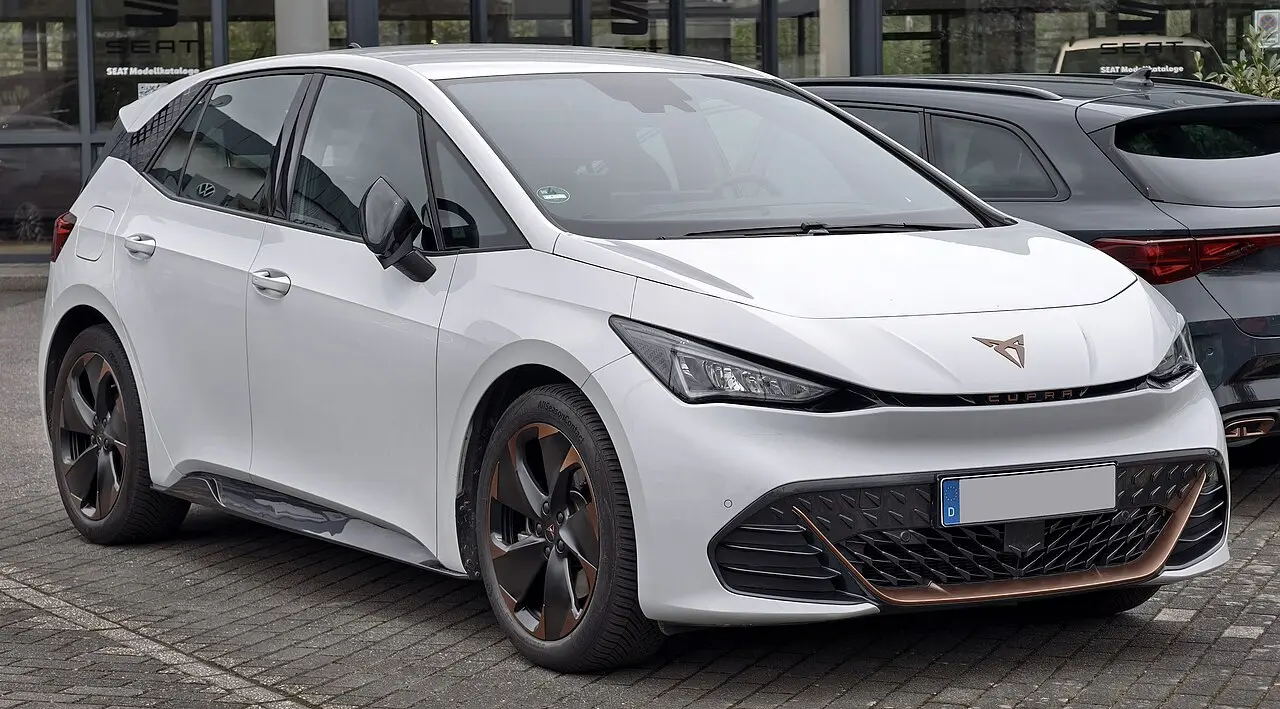
CUPRA Born

CUPRA Born
Photo: © M 93 / Wikimedia Commons · CC BY-SA 3.0 de

The official data lists 18 versions of the CUPRA Born (2021–2025), in the European Union. Each market publishes its own figures, measured on its own test procedure.

At a glance

Years in the data
2021–2025
Markets
European Union
Power
70 kW (95 PS) to 240 kW (326 PS)
Fuels
Electric
New registrations in the EU
127,318

What is the CUPRA Born?

The Born is CUPRA’s fully electric compact hatchback. As the brand’s first all-electric production car, it brought battery-electric driving into CUPRA’s range in a familiar everyday format. Its first generation began in 2021.

Electric power

EU versions are electric, with power ranging from 70 kW (95 PS) to 240 kW (326 PS). The 150 kW (204 PS) version was the most registered configuration in 2023, while the 170 kW (231 PS) version led in 2025.

EU registrations

The Born recorded 127,318 EU registrations from 2021 to 2025, across versions with different power outputs. As a battery-electric car, it has no petrol consumption figure. Electricity-use and range ratings can vary between markets because test procedures differ: Europe uses WLTP, the USA uses EPA testing and Canada uses a 5-cycle test.

Questions and answers

When did the CUPRA Born arrive?

Its first generation began in 2021.

Is the CUPRA Born fully electric?

Yes. EU versions use electric power only.

What is the Born’s power range?

EU versions range from 70 kW (95 PS) to 240 kW (326 PS).

How many CUPRA Borns were registered in the EU?

The total was 127,318 from 2021 to 2025.

Born first generation (since 2021)

CUPRA Born first generation
Photo: © M 93 / Wikimedia Commons · CC BY-SA 3.0 de

References: seat-cupra-mediacenter.com, seat-mediacenter.com

European Union 18 versions

New cars registered in the EU (plus Norway and Iceland), from the European Environment Agency. Figures on the NEDC procedure until 2020 and on WLTP from 2021; versions are grouped by engine and power, with their number of registrations.

Years and versionEnginePowerFuelConsumption (combined)CO₂Electric rangeEU registrations
2025Electric motor170 kW (231 PS)Electric16.1 kWh/100 km WLTP0 g/km461 km26,100
2025Electric motor150 kW (204 PS)Electric19.6 kWh/100 km WLTP0 g/km384 km2,827
2025Electric motor240 kW (326 PS)Electric15.4 kWh/100 km WLTP0 g/km574 km2,232
2025Electric motor70 kW (95 PS)Electric15.9 kWh/100 km WLTP0 g/km492 km1,371
2025Electric motor89 kW (121 PS)Electric15.7 kWh/100 km WLTP0 g/km563 km198
2024Electric motor70 kW (95 PS)Electric15.9 kWh/100 km WLTP0 g/km431 km16,479
2024Electric motor170 kW (231 PS)Electric15.9 kWh/100 km WLTP0 g/km486 km10,100
2024Electric motor150 kW (204 PS)Electric15.5 kWh/100 km WLTP0 g/km421 km4,553
2024Electric motor240 kW (326 PS)Electric15.2 kWh/100 km WLTP0 g/km581 km467
2024Electric motor89 kW (121 PS)Electric15.9 kWh/100 km WLTP0 g/km558 km319
2023Electric motor150 kW (204 PS)Electric15.5 kWh/100 km WLTP0 g/km422 km34,265
2023Electric motor170 kW (231 PS)Electric16.1 kWh/100 km WLTP0 g/km465 km36
2022Electric motor150 kW (204 PS)Electric14.3 kWh/100 km WLTP0 g/km416 km13,900
2022Electric motor70 kW (95 PS)Electric15.5 kWh/100 km WLTP0 g/km426 km4,705
2022Electric motor170 kW (231 PS)Electric16.2 kWh/100 km WLTP0 g/km449 km3,944
2021Electric motor150 kW (204 PS)Electric1.0 L/100 km WLTP15.8 kWh/100 km WLTP0 g/km418 km4,674
2021Electric motor70 kW (95 PS)Electric14.9 kWh/100 km WLTP0 g/km419 km1,082
2021Electric motor170 kW (231 PS)Electric18.1 kWh/100 km WLTP0 g/km394 km66

Official figures are measured on standard test procedures and differ between markets. Your consumption depends on how, where and in what conditions you drive.