Chrysler

Chrysler Voyager

Chrysler Voyager
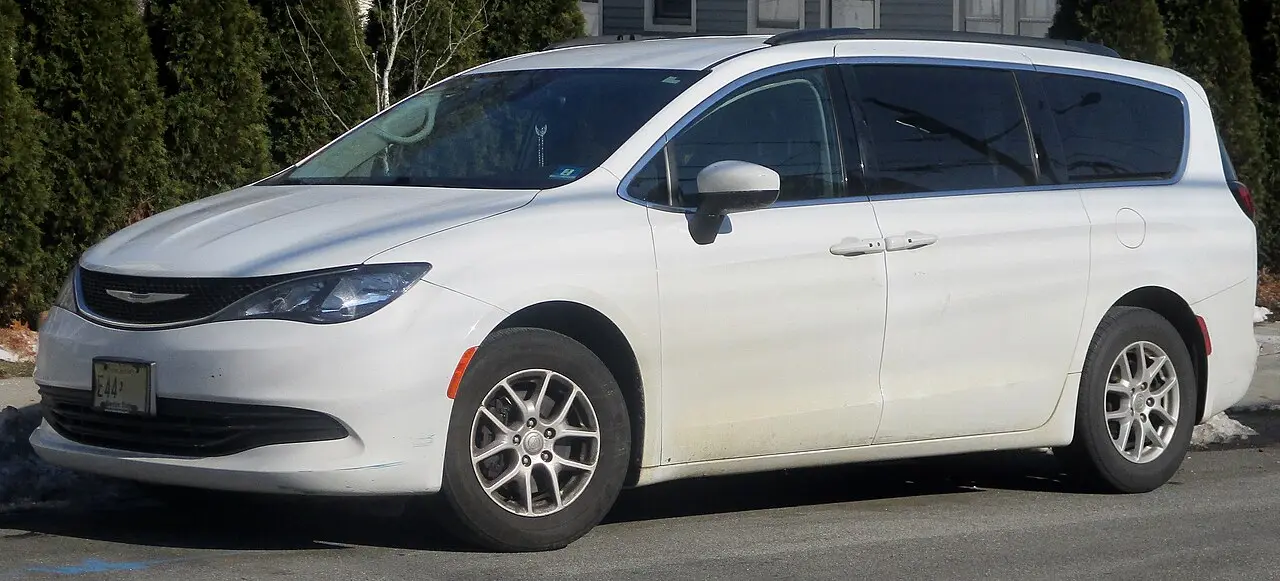
Photo: NNXST / Wikimedia Commons · CC BY 4.0

The official data lists 8 versions of the Chrysler Voyager (2005–2026), in the European Union, the United States, and Canada. Each market publishes its own figures, measured on its own test procedure.

At a glance

Years in the data
2005–2026
Markets
European Union, United States, Canada
Engines
3.3 L to 3.8 L
Fuels
Diesel, Petrol, Flex fuel (E85)
Lowest consumption (Canada)
10.6 L/100 km (5-cycle)
Lowest consumption (United States)
10.7 L/100 km (EPA)
New registrations in the EU
70

What is the Chrysler Voyager?

The Chrysler Voyager is a minivan designed for passenger and family transport, with space for people and luggage in a car-based format. Chrysler helped establish the minivan as a distinct family vehicle, and the Voyager became one of the nameplates in its minivan range. The name has been used across different generations and markets.

Voyager generations

The fifth-generation Voyager, code RT, ran from 2008 to 2011 in Europe and the UK. The sixth generation, code RU, appears in U.S. listings from 2020 to 2026. The Voyager name returned to Chrysler’s North American minivan range with that generation.

Engines and fuel economy

EU registration listings cover diesel Voyagers with 2.5- and 2.8-litre engines. One 2.8-litre version is rated at 110 kW (150 PS). U.S. EPA listings cover petrol and E85 flex-fuel engines from 3.3 to 3.8 litres, with a best combined figure of 22 MPG. Canada’s 2020 listing is a 3.6-litre petrol version rated at 10.6 L/100 km on the NRCan 5-cycle test. These procedures differ: Europe uses WLTP or NEDC, the U.S. uses EPA, and Canada uses the 5-cycle test.

Where was the Voyager sold?

EU registrations totalled 70 across 2010 and 2011: 30 for a 2.5-litre diesel in 2010, 20 for a 2.8-litre diesel in 2010 and 20 for a 2.8-litre, 110 kW (150 PS) version in 2011. U.S. EPA listings span 2005 to 2026, while the Canadian NRCan listing is for 2020. The Voyager name links European diesel minivans with later North American petrol and flex-fuel models.

Questions and answers

What body style is the Chrysler Voyager?

It is a minivan designed for passenger and family transport.

Which Voyager generations are listed?

The fifth generation (RT) ran from 2008 to 2011, and the sixth (RU) from 2020 to 2026.

What is the U.S. combined fuel economy figure?

The best listed U.S. EPA figure is 22 MPG combined.

What fuel economy is shown for Canada?

The Canadian 2020 listing is 10.6 L/100 km on NRCan’s 5-cycle test.
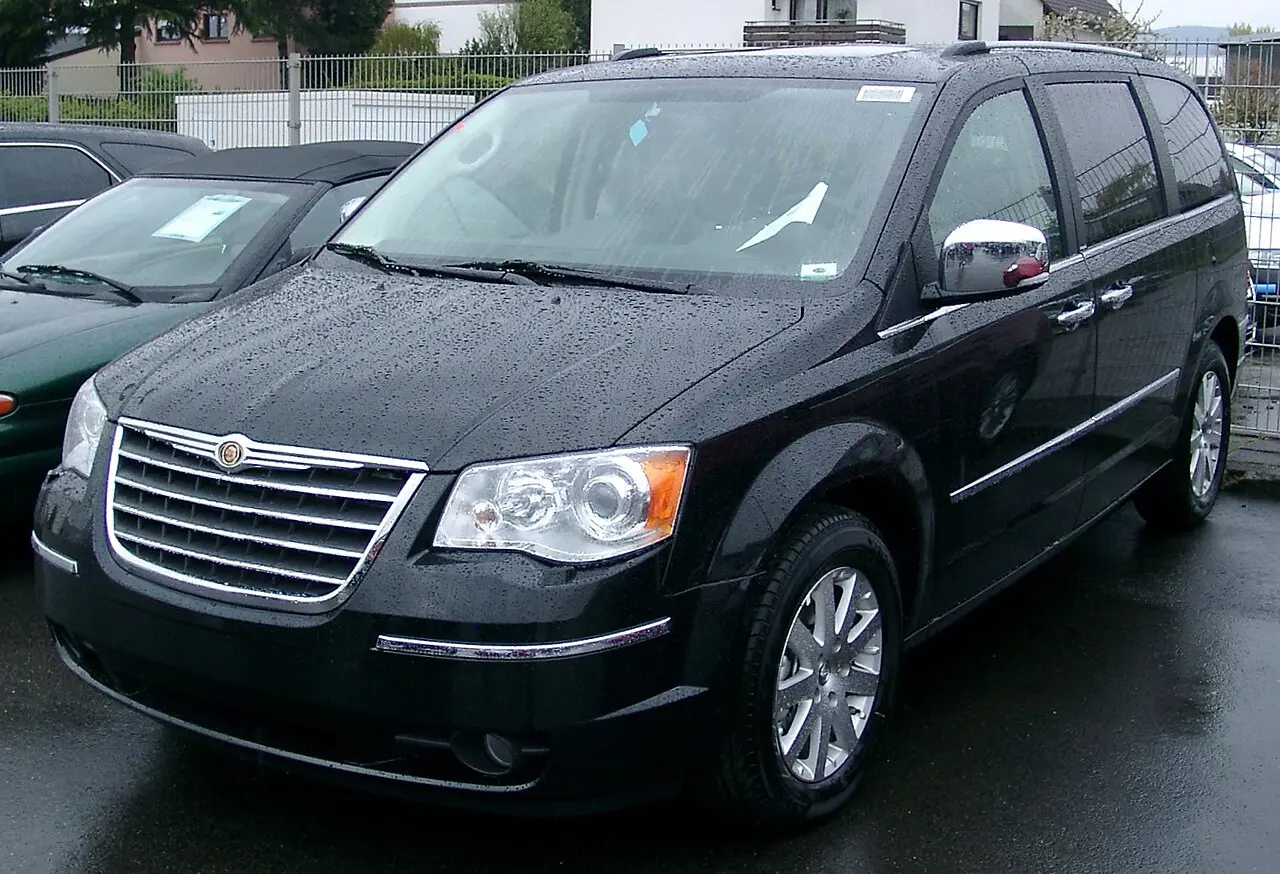
Voyager fifth generation (2008–2011)

Chrysler Voyager fifth generation
Photo: Rudolf Stricker / Wikimedia Commons · CC BY-SA 3.0

Model codes: RT · Sold in: European Union and United Kingdom · References: en.wikipedia.org, auto-motor-und-sport.de

Show all 3 versions

Voyager sixth generation (2020–2026)

Chrysler Voyager sixth generation
Photo: NNXST / Wikimedia Commons · CC BY 4.0

Model codes: RU · Sold in: United States · References: en.wikipedia.org

United States 1 version

Model years sold in the USA, from the EPA and the Department of Energy (fueleconomy.gov). MPG on the EPA test; litres per 100 km = 235.215 ÷ MPG.

Years and versionEngineFuelGearboxDriveConsumption (combined)CO₂
2020–20263.6 LPetrol9-speed automaticFront-wheel drive22 MPG (10.7 L/100 km) EPA249 g/km

Versions outside these generations

United States 3 versions

Model years sold in the USA, from the EPA and the Department of Energy (fueleconomy.gov). MPG on the EPA test; litres per 100 km = 235.215 ÷ MPG.

Years and versionEngineFuelGearboxDriveConsumption (combined)CO₂
2005CLKUP3.3 LPetrol4-speed automaticFront-wheel drive19 MPG (12.4 L/100 km) EPA291 g/km
2005FLEX-FUEL3.3 LFlex fuel (E85)4-speed automaticFront-wheel drive19 MPG (12.4 L/100 km) EPA291 g/km
2005CLKUP3.8 LPetrol4-speed automaticFront-wheel drive18 MPG (13.1 L/100 km) EPA307 g/km

Canada 1 version

Model years sold in Canada, from Natural Resources Canada fuel consumption ratings (5-cycle test).

Years and versionEngineFuelGearboxConsumption (combined)CO₂
2020Minivan3.6 LPetrol9-speed automatic10.6 L/100 km 5-cycle249 g/km

Official figures are measured on standard test procedures and differ between markets. Your consumption depends on how, where and in what conditions you drive.