Chrysler

Chrysler LHS

Chrysler LHS
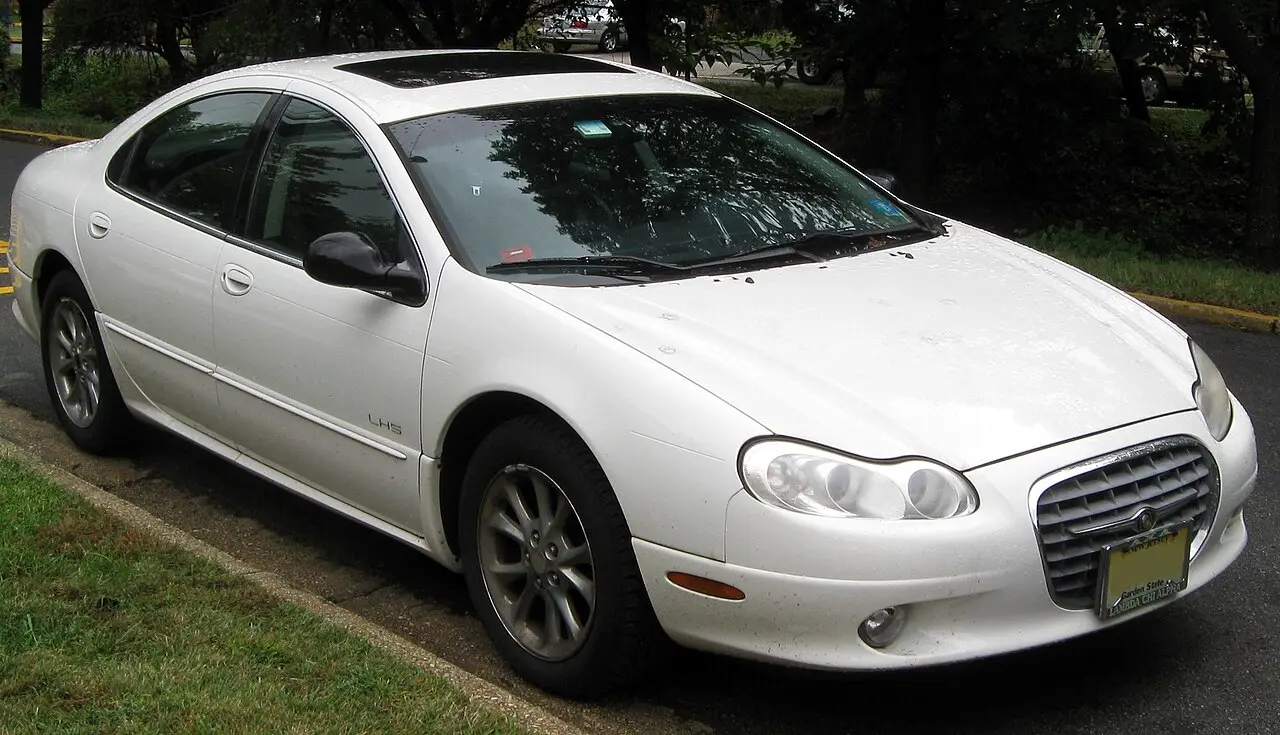
Photo: IFCAR / Wikimedia Commons · Public domain

The official data lists 6 versions of the Chrysler LHS (1995–2001), in the United States and Canada. Each market publishes its own figures, measured on its own test procedure.

At a glance

Years in the data
1995–2001
Markets
United States, Canada
Engines
3.5 L
Fuels
Petrol
Lowest consumption (Canada)
12.3 L/100 km (5-cycle)
Lowest consumption (United States)
12.4 L/100 km (EPA)

What is the Chrysler LHS?

The Chrysler LHS is a full-size luxury sedan with four doors. Its cab-forward design, with the cabin set toward the front of the car, was part of a broader look Chrysler used on cars of the era. The second-generation LHS was sold in the United States and Canada.

The second generation, identified by the LH code, ran from 1999 to 2001.

Engine

The LHS used a 3.5-litre petrol engine in the listed US and Canadian versions.

How economical is the Chrysler LHS?

In the United States, the EPA combined rating is 19 MPG, with a lowest listed consumption of 12.4 L/100 km for 1999–2001. Canada’s NRCan 5-cycle figure is 12.3 L/100 km for 1995–2001. These results use different test procedures: EPA in the United States and the 5-cycle method in Canada. European WLTP and NEDC tests use different procedures too.

Questions and answers

What kind of car is the Chrysler LHS?

It is a full-size, four-door luxury sedan.

What engine is listed for the LHS?

The listed US and Canadian versions use a 3.5-litre petrol engine.

What is the LHS’s official US fuel economy?

The EPA combined rating is 19 MPG, or 12.4 L/100 km.

How does Canada rate the LHS?

NRCan’s 5-cycle figure is 12.3 L/100 km for 1995–2001.

LHS second generation (1999–2001)

Chrysler LHS second generation
Photo: IFCAR / Wikimedia Commons · Public domain

Model codes: LH · Sold in: United States and Canada · References: en.wikipedia.org, nhtsa.gov

United States 1 version

Model years sold in the USA, from the EPA and the Department of Energy (fueleconomy.gov). MPG on the EPA test; litres per 100 km = 235.215 ÷ MPG.

Years and versionEngineFuelGearboxDriveConsumption (combined)CO₂
1999–2001CLKUP3.5 LPetrol4-speed automaticFront-wheel drive19 MPG (12.4 L/100 km) EPA291 g/km

Canada 2 versions

Model years sold in Canada, from Natural Resources Canada fuel consumption ratings (5-cycle test).

Years and versionEngineFuelGearboxConsumption (combined)CO₂
2000–2001Full-size3.5 LPetrol4-speed automatic12.5 L/100 km 5-cycle288 g/km
1999Full-size3.5 LPetrol4-speed automatic12.3 L/100 km 5-cycle283 g/km

Versions outside these generations

Canada 3 versions

Model years sold in Canada, from Natural Resources Canada fuel consumption ratings (5-cycle test).

Years and versionEngineFuelGearboxConsumption (combined)CO₂
1997Full-size3.5 LPetrol4-speed automatic12.6 L/100 km 5-cycle290 g/km
1996Full-size3.5 LPetrol4-speed automatic12.4 L/100 km 5-cycle285 g/km
1995Full-size3.5 LPetrol4-speed automatic12.9 L/100 km 5-cycle297 g/km

Official figures are measured on standard test procedures and differ between markets. Your consumption depends on how, where and in what conditions you drive.