Chrysler

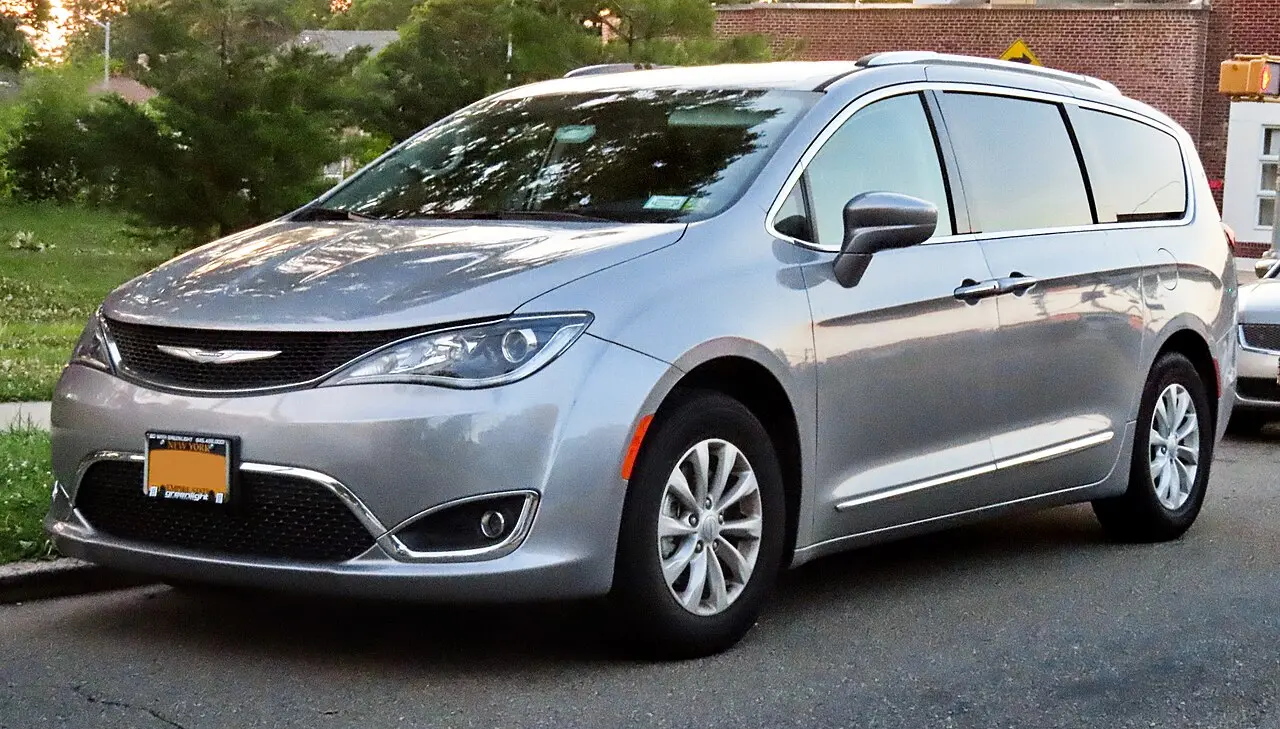
Chrysler Grand Voyager

Chrysler Grand Voyager
Photo: Kevauto / Wikimedia Commons · CC BY-SA 4.0

The official data lists 14 versions of the Chrysler Grand Voyager (2010–2026), in the European Union and Canada. Each market publishes its own figures, measured on its own test procedure.

At a glance

Years in the data
2010–2026
Markets
European Union, Canada
Engines
2.8 L to 3.8 L
Power
120 kW (163 PS) to 142 kW (193 PS)
Fuels
Diesel, Petrol
Lowest consumption (Canada)
10.6 L/100 km (5-cycle)
New registrations in the EU
19,572

What is the Chrysler Grand Voyager?

The Grand Voyager is a Chrysler minivan designed to carry passengers and their luggage. Minivans became a defining part of Chrysler’s identity, and the company introduced its first in 1983. The Grand Voyager name was used for the extended version of the Voyager.

In Europe, the RT generation appears in the figures for 2010. The sixth generation, code RU, appears in Canadian listings from 2021 onward, where the model is marketed as the Chrysler Grand Caravan.

Engines and power

European versions ranged from 2.8 L to 3.8 L, with diesel, petrol and other fuel types. Power ran from 120 kW (163 PS) to 142 kW (193 PS). The 2.8 L diesel was the leading configuration in the EU registrations, including versions rated at 120 kW (163 PS). The Canadian listing is for a 3.6 L petrol version.

How economical is the Grand Voyager?

Official EU registration figures cover 2010–2014 and 13 versions, with 19,572 registrations. The most registered configuration was a 2.8 L diesel in 2010. Canada’s NRCan rates the listed petrol version at 10.6 L/100 km on its 5-cycle test. European consumption tests use WLTP or the earlier NEDC procedure; the USA uses EPA testing, while Canada uses a 5-cycle test. These procedures differ, so their results are not directly comparable.

Where was the Grand Voyager sold?

The Grand Voyager appears in EU registration figures from 2010 to 2014. In Canada, the sixth-generation model is sold under the Grand Caravan name, continuing Chrysler’s minivan tradition.

Questions and answers

Which generations are represented?

The European figures include the RT generation for 2010; the Canadian listing identifies the sixth generation, code RU, from 2021 onward.

What engines were available in the European versions?

They ranged from 2.8 L to 3.8 L, with power from 120 kW (163 PS) to 142 kW (193 PS).

What is the Canadian consumption figure?

The listed 3.6 L petrol version is rated at 10.6 L/100 km on NRCan’s 5-cycle test.
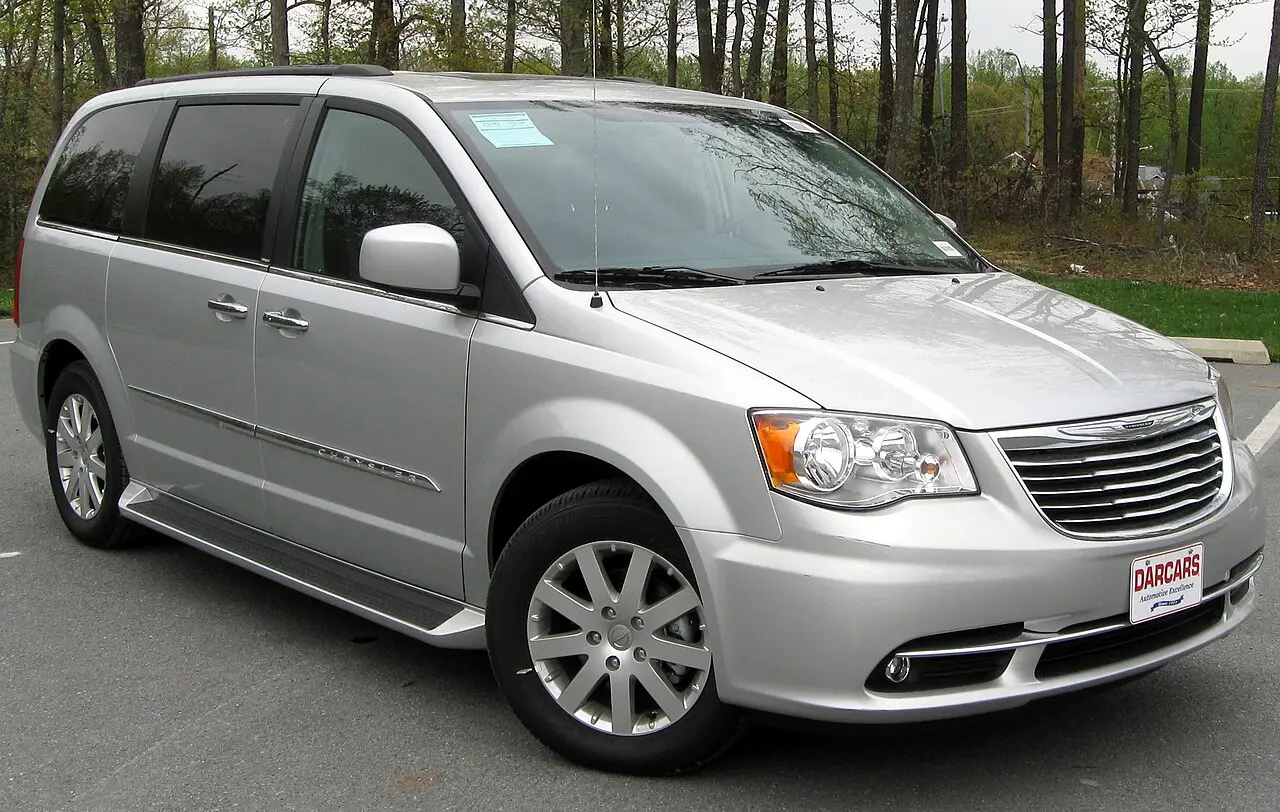
Grand Voyager RT (2010)

Chrysler Grand Voyager RT
Photo: IFCAR / Wikimedia Commons · Public domain

Model codes: RT · Sold in: European Union · References: en.wikipedia.org, adac.de

Show all 4 versions

Grand Voyager sixth generation (since 2021)

Chrysler Grand Voyager sixth generation
Photo: Kevauto / Wikimedia Commons · CC BY-SA 4.0

Model codes: RU · Sold in: Canada · References: chrysler.ca, chrysler.ca

Canada 1 version

Model years sold in Canada, from Natural Resources Canada fuel consumption ratings (5-cycle test).

Years and versionEngineFuelGearboxConsumption (combined)CO₂
2021–2026Minivan3.6 LPetrol9-speed automatic10.6 L/100 km 5-cycle249 g/km

Versions outside these generations

European Union 9 versions

New cars registered in the EU (plus Norway and Iceland), from the European Environment Agency. Figures on the NEDC procedure until 2020 and on WLTP from 2021; versions are grouped by engine and power, with their number of registrations.

Years and versionEnginePowerFuelCO₂EU registrations
20142.8 L131 kW (178 PS)Diesel207 g/km992
20142.8 L120 kW (163 PS)Diesel235 g/km20
2011–20132.8 L120 kW (163 PS)Diesel207 g/km820
20132.8 L120 kW (163 PS)Diesel232 g/km48
20133.6 L208 kW (283 PS)Petrol256 g/km13
20122.8 L120 kW (163 PS)Diesel230 g/km869
20112.8 L120 kW (163 PS)Diesel231 g/km5,850
20113.8 L142 kW (193 PS)Petrol294 g/km478
20113.0 L–Diesel218 g/km16

Official figures are measured on standard test procedures and differ between markets. Your consumption depends on how, where and in what conditions you drive.