BYD

BYD Tang

BYD Tang
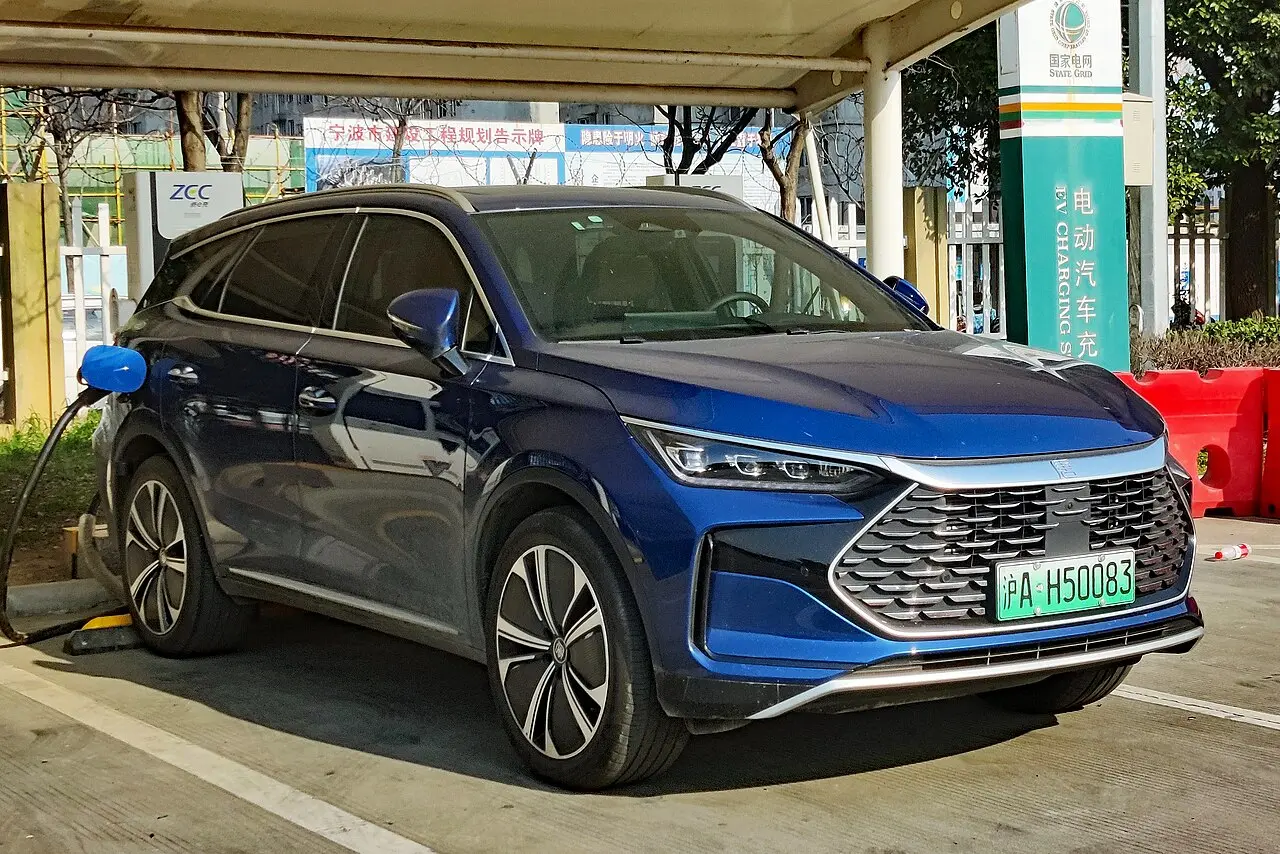
Photo: BYD Tang DM-p front quarter.jpg: Taylormilan3216 derivative… / Wikimedia Commons · CC BY-SA 4.0

The official data lists 14 versions of the BYD Tang (2021–2025), in the European Union. Each market publishes its own figures, measured on its own test procedure.

At a glance

Years in the data
2021–2025
Markets
European Union
Power
130 kW (177 PS) to 380 kW (517 PS)
Fuels
Electric
New registrations in the EU
7,113

What is the BYD Tang?

The Tang is a large, fully electric SUV in BYD’s passenger-car range. Its roomy cabin and raised seating make it a family-sized option for everyday driving and longer trips. BYD began as a battery maker and later entered the car industry, bringing experience in battery and electric powertrain technology to its vehicles. The Tang uses BYD’s Blade Battery and wears the brand’s Dragon Face design.

Tang generations and power

The second-generation Tang, identified by the code EV, has been sold in Europe since 2021. It brought the model to European customers as a battery-electric SUV. Over time, a higher-power version joined the range represented in European registrations.

All versions in European registrations are electric. Power ranges from 130 kW (177 PS) to 380 kW (517 PS). The 180 kW (245 PS) version was the most registered in 2022–2023, followed by the 200 kW (272 PS) version in 2021. A 380 kW (517 PS) version also appears in 2025 registrations.

Where was the Tang sold, and how efficient is it?

European Union and EEA registrations from 2021 to 2025 total 7,113 across 14 versions. The Tang is also part of BYD’s wider passenger-car range.

As a battery-electric car, the Tang has no tailpipe CO₂ emissions while driving.

Questions and answers

Is the BYD Tang fully electric?

Yes. All versions in European registrations are electric.

What is the Tang’s power range?

European versions range from 130 kW (177 PS) to 380 kW (517 PS).

When did the second-generation Tang appear in Europe?

The second-generation Tang, code EV, has been sold in Europe since 2021.

Tang second generation (since 2021)

BYD Tang second generation
Photo: BYD Tang DM-p front quarter.jpg: Taylormilan3216 derivative… / Wikimedia Commons · CC BY-SA 4.0

Model codes: EV · Sold in: European Union · References: bydeurope.com, en.wikipedia.org

European Union 14 versions

New cars registered in the EU (plus Norway and Iceland), from the European Environment Agency. Figures on the NEDC procedure until 2020 and on WLTP from 2021; versions are grouped by engine and power, with their number of registrations.

Years and versionEnginePowerFuelConsumption (combined)CO₂Electric rangeEU registrations
2025Electric motor380 kW (517 PS)Electric24.0 kWh/100 km WLTP0 g/km528 km812
2025Electric motor200 kW (272 PS)Electric24.0 kWh/100 km WLTP0 g/km527 km230
2025Electric motor130 kW (177 PS)Electric24.0 kWh/100 km WLTP0 g/km529 km117
2025Electric motor180 kW (245 PS)Electric24.0 kWh/100 km WLTP0 g/km527 km49
2024Electric motor200 kW (272 PS)Electric23.8 kWh/100 km WLTP0 g/km432 km637
2024Electric motor380 kW (517 PS)Electric23.9 kWh/100 km WLTP0 g/km502 km198
2024Electric motor180 kW (245 PS)Electric23.9 kWh/100 km WLTP0 g/km466 km99
2024Electric motor130 kW (177 PS)Electric24.0 kWh/100 km WLTP0 g/km512 km51
2022–2023Electric motor180 kW (245 PS)Electric23.8 kWh/100 km WLTP0 g/km400 km2,496
2023Electric motor200 kW (272 PS)Electric24.0 kWh/100 km WLTP0 g/km400 km121
2023Electric motor380 kW (517 PS)Electric23.6 kWh/100 km WLTP0 g/km400 km94
2023Electric motor130 kW (177 PS)Electric23.8 kWh/100 km WLTP0 g/km400 km36
2022Electric motor380 kW (517 PS)Electric23.8 kWh/100 km WLTP0 g/km400 km41
2021Electric motor200 kW (272 PS)Electric–0 g/km400 km2,132

Official figures are measured on standard test procedures and differ between markets. Your consumption depends on how, where and in what conditions you drive.