Buick

Buick Regal

Buick Regal
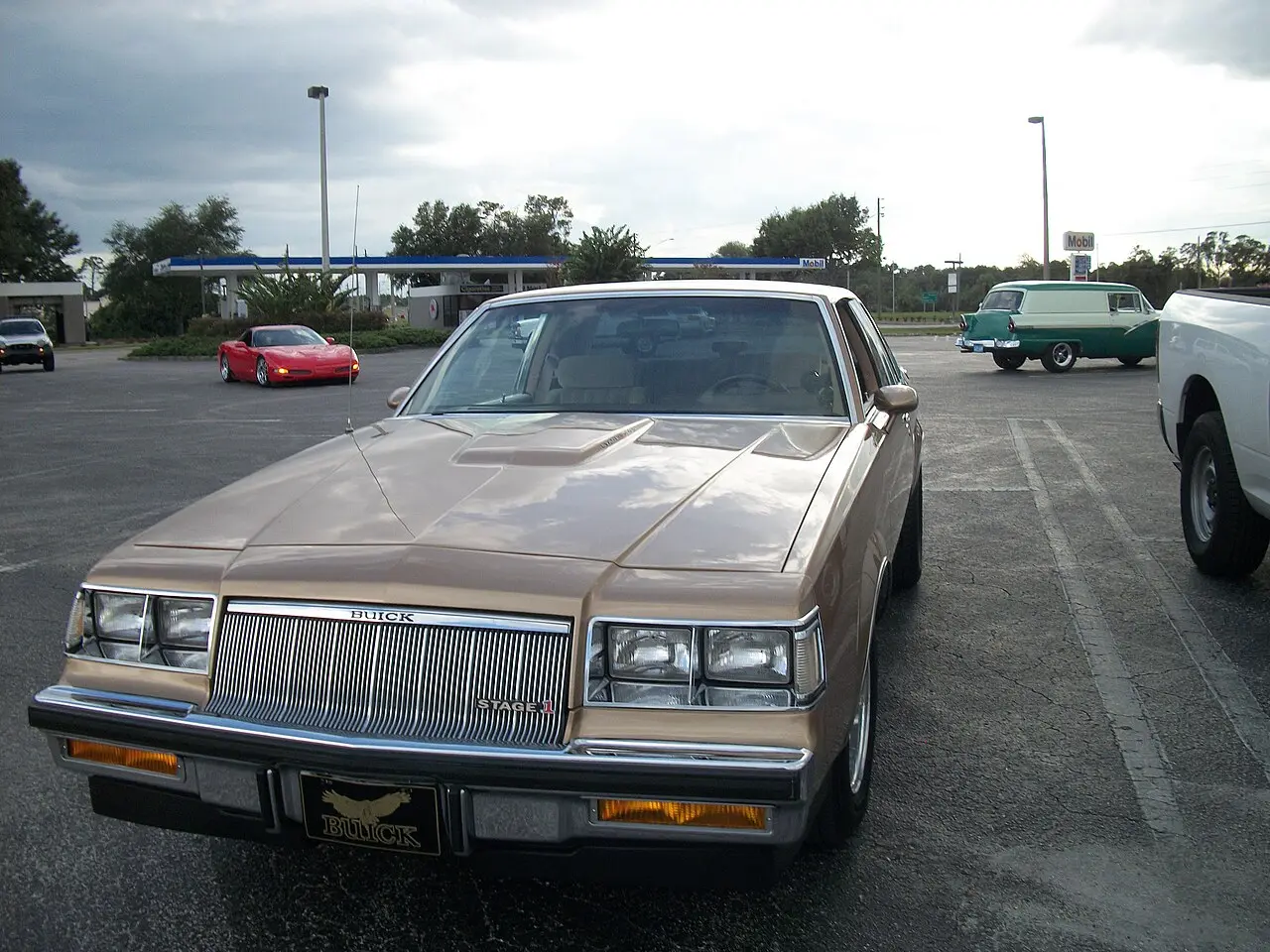
Photo: Elise240SX / Wikimedia Commons · CC BY-SA 4.0

The official data lists 136 versions of the Buick Regal (1984–2020), in the European Union, the United States, and Canada. Each market publishes its own figures, measured on its own test procedure.

At a glance

Years in the data
1984–2020
Markets
European Union, United States, Canada
Engines
2.0 L to 5.0 L
Fuels
Petrol, Hybrid, Flex fuel (E85), Diesel
Lowest consumption (United States)
8.1 L/100 km (EPA)
Lowest consumption (Canada)
8.2 L/100 km (5-cycle)
New registrations in the EU
20

What is the Buick Regal?

The Regal is a Buick nameplate that took several forms over the years, from coupes and sedans to the later Sportback liftback and TourX wagon. Those last body styles gave the car a more flexible rear opening and load space than a conventional sedan.

Buick is part of General Motors. The final Regal generation was based on the Opel Insignia and sat in Buick’s mid-size range, with both comfort-focused and sportier versions. It was listed in the United States and Canada through 2020.

Regal generations

The generations represented in North American history are the second (1984–1987), third (1988–1996), fourth (1997–2004), fifth (2010–2017) and sixth (2018–2020). After a gap, the fifth generation brought the Regal back on the Epsilon II platform. The sixth generation used the E2XX platform and moved beyond the traditional sedan shape: the Sportback had a rear hatch, while the TourX was a wagon.

Engines and fuel consumption

The engine range varied by year and market. US EPA listings span 2.0 L to 5.7 L and include petrol, hybrid, flex-fuel E85 and diesel versions. The best combined EPA rating is 29 MPG; the lowest listed consumption is 8.1 L/100 km. Canada’s NRCan listings span 2.0 L to 3.8 L and include petrol and E85 versions, with a lowest figure of 8.2 L/100 km on the 5-cycle test.

In official EU registration figures, one 2019 petrol version appears: a 2.0 L engine producing 187 kW (254 PS), with 20 registrations. European WLTP and older NEDC results, US EPA ratings and Canada’s 5-cycle results use different test procedures, so figures across markets are not directly equivalent.

Where was the Regal sold?

US EPA listings cover 1984–2020, while Canadian NRCan listings cover 1995–2020. EU registration figures show the Regal in 2019.

Questions and answers

What body styles did the last Regal offer?

The sixth generation included the Sportback liftback and the TourX station wagon.

What engine sizes are listed for the Regal in the United States?

US EPA listings span 2.0 L to 5.7 L and include petrol, hybrid, E85 flex-fuel and diesel versions.

What is the Regal’s best combined US fuel rating?

The best combined EPA rating is 29 MPG; the lowest listed consumption is 8.1 L/100 km.

What Regal appears in EU registration figures?

One 2019 2.0 L petrol version rated at 187 kW (254 PS), with 20 registrations.
Regal second generation (1984–1987)

Buick Regal second generation
Photo: DanTD / Wikimedia Commons · CC BY-SA 4.0

Model codes: G-body · References: en.wikipedia.org

Show all 25 versions

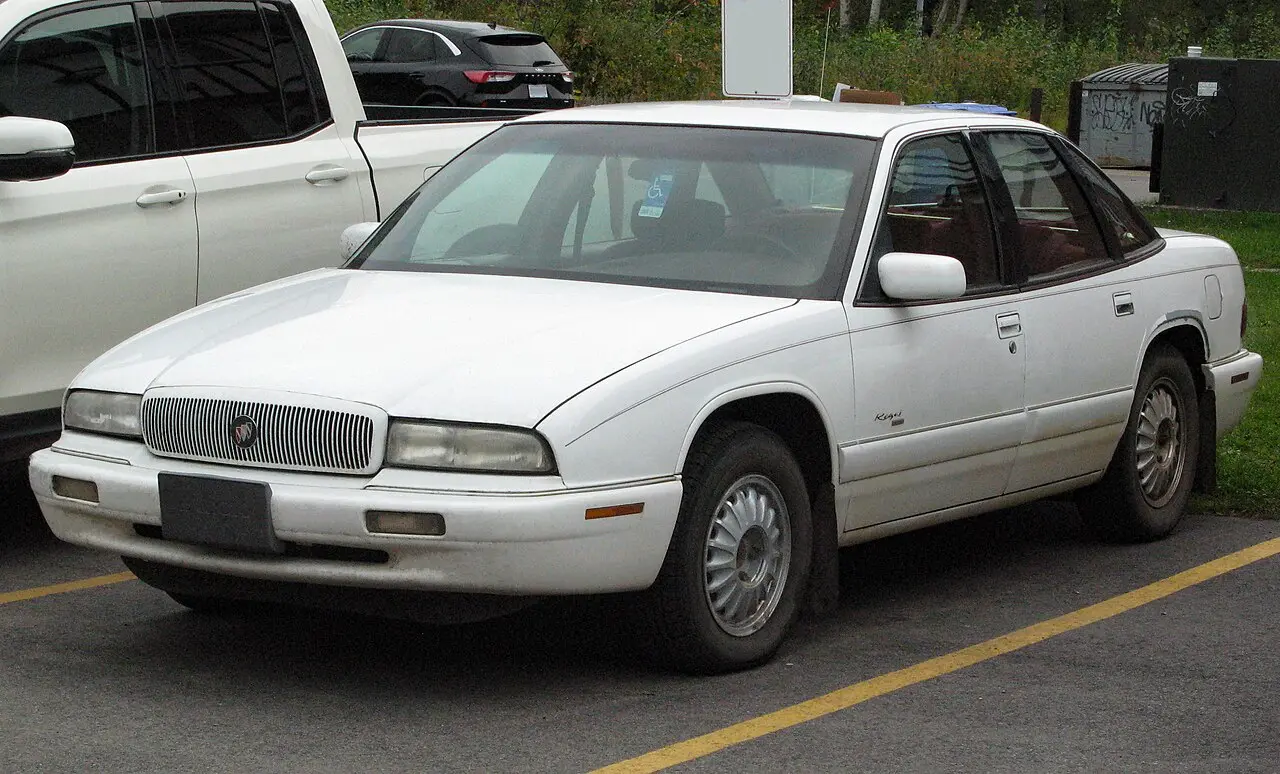
Regal third generation (1988–1996)

Buick Regal third generation
Photo: Elise240SX / Wikimedia Commons · CC BY-SA 4.0

Model codes: W-body · References: en.wikipedia.org

Show all 20 versions

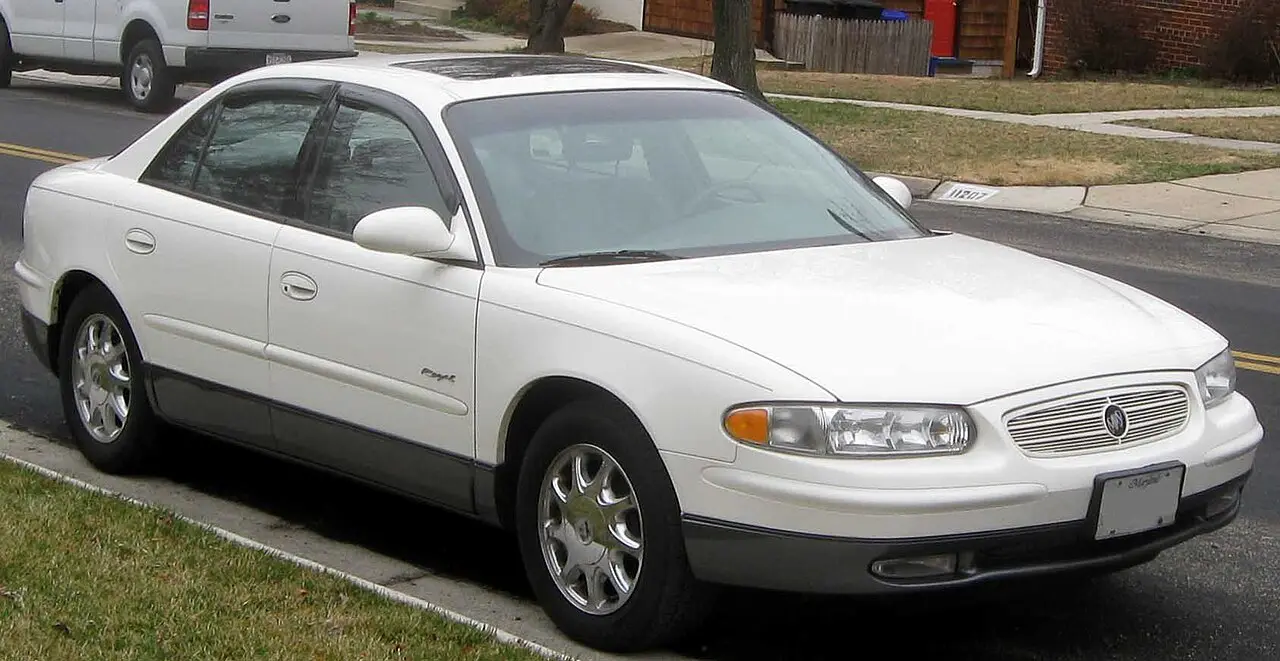
Regal fourth generation (1997–2004)

Buick Regal fourth generation
Photo: IFCAR / Wikimedia Commons · Public domain

Model codes: W-body · References: en.wikipedia.org

Show all 26 versions

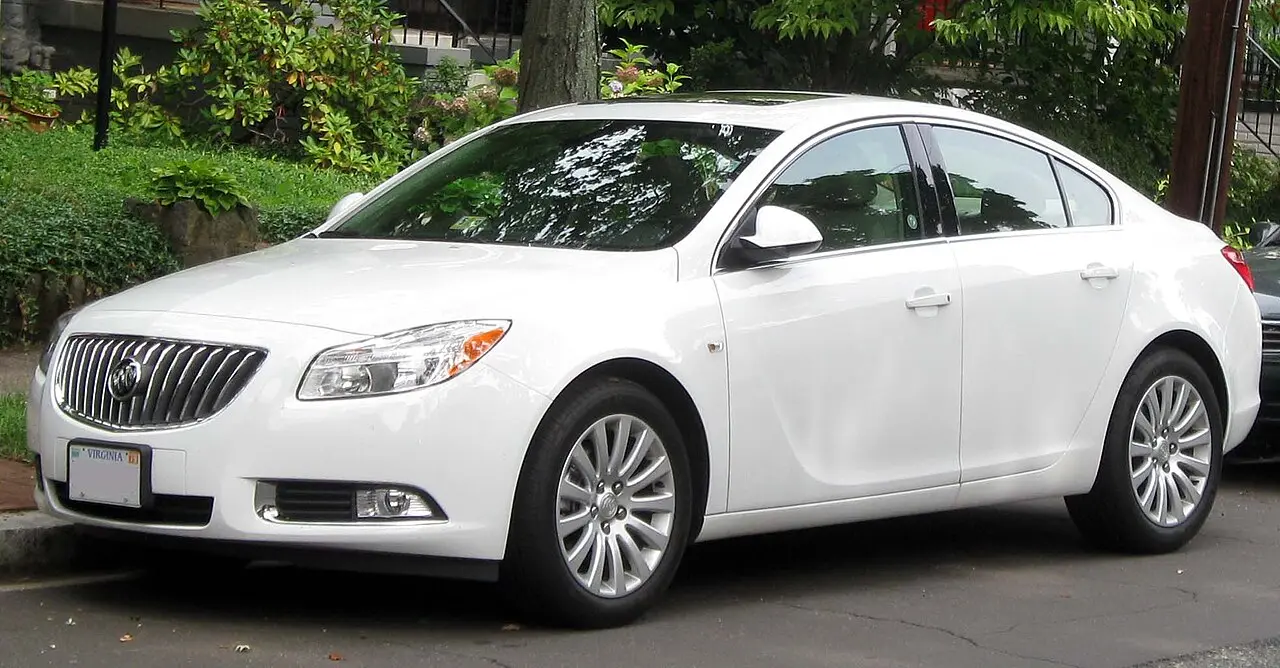
Regal fifth generation (2010–2017)

Buick Regal fifth generation
Photo: IFCAR / Wikimedia Commons · Public domain

Model codes: Epsilon II · References: en.wikipedia.org

Show all 51 versions

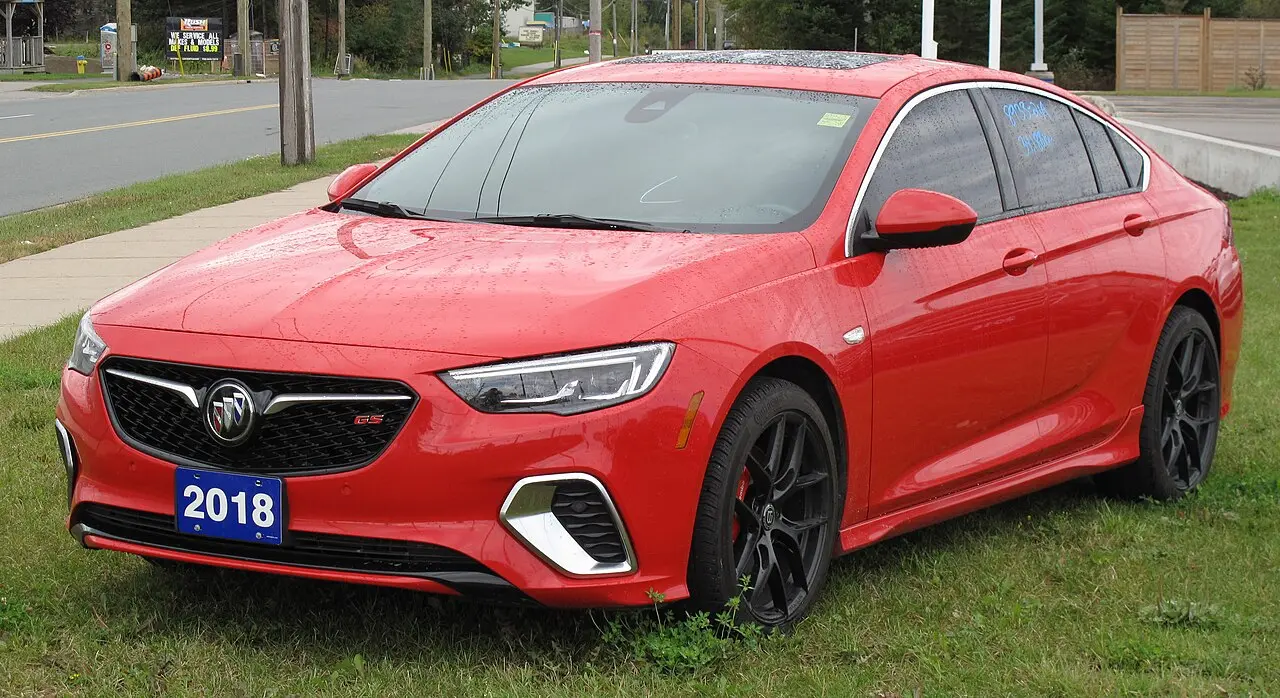
Regal sixth generation (2018–2020)

Buick Regal sixth generation
Photo: Elise240SX / Wikimedia Commons · CC BY-SA 4.0

Model codes: E2XX · References: en.wikipedia.org

European Union 1 version

New cars registered in the EU (plus Norway and Iceland), from the European Environment Agency. Figures on the NEDC procedure until 2020 and on WLTP from 2021; versions are grouped by engine and power, with their number of registrations.

Years and versionEnginePowerFuelCO₂EU registrations
20192.0 L187 kW (254 PS)Petrol184 g/km20

United States 6 versions

Model years sold in the USA, from the EPA and the Department of Energy (fueleconomy.gov). MPG on the EPA test; litres per 100 km = 235.215 ÷ MPG.

Years and versionEngineFuelGearboxDriveConsumption (combined)CO₂
2018–2020SIDI2.0 LPetrol8-speed automaticAll-wheel drive24 MPG (9.8 L/100 km) EPA227 g/km
2020SIDI2.0 LPetrol9-speed automaticFront-wheel drive26 MPG (9.0 L/100 km) EPA213 g/km
2020SIDI3.6 LPetrol9-speed automaticAll-wheel drive22 MPG (10.7 L/100 km) EPA255 g/km
2018–2019SIDI2.0 LPetrol9-speed automaticFront-wheel drive26 MPG (9.0 L/100 km) EPA214 g/km
2019SIDI3.6 LPetrol9-speed automaticAll-wheel drive22 MPG (10.7 L/100 km) EPA251 g/km
2018SIDI3.6 LPetrol9-speed automaticAll-wheel drive22 MPG (10.7 L/100 km) EPA250 g/km

Canada 7 versions

Model years sold in Canada, from Natural Resources Canada fuel consumption ratings (5-cycle test).

Years and versionEngineFuelGearboxConsumption (combined)CO₂
2018–2020Full-size · Mid-size2.0 LPetrol8-speed automatic9.6 L/100 km 5-cycle227 g/km
2020Mid-size2.0 LPetrol9-speed automatic9.0 L/100 km 5-cycle211 g/km
2020Mid-size3.6 LPetrol9-speed automatic10.9 L/100 km 5-cycle255 g/km
2019Mid-size2.0 LPetrol9-speed automatic9.1 L/100 km 5-cycle214 g/km
2019Mid-size3.6 LPetrol9-speed automatic10.7 L/100 km 5-cycle251 g/km
2018Full-size2.0 LPetrol9-speed automatic9.2 L/100 km 5-cycle217 g/km
2018Full-size3.6 LPetrol9-speed automatic10.7 L/100 km 5-cycle250 g/km

Official figures are measured on standard test procedures and differ between markets. Your consumption depends on how, where and in what conditions you drive.