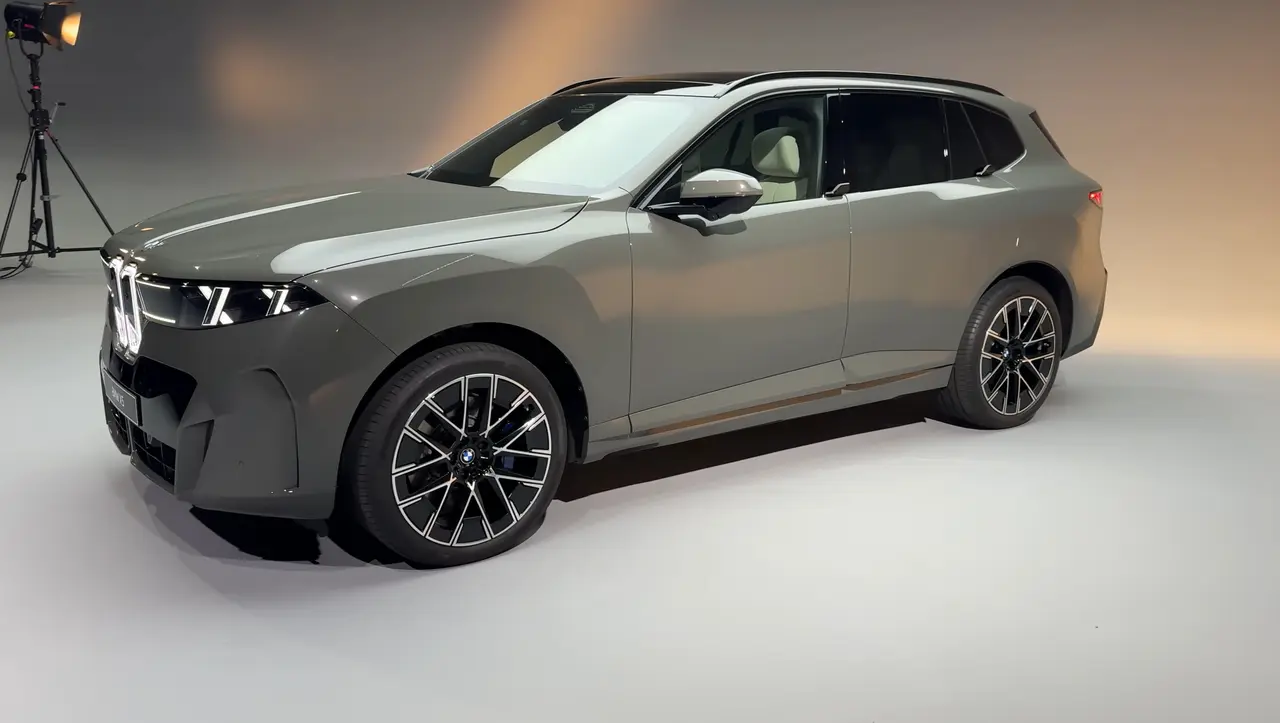
What is the BMW iX5?
The BMW iX5 is an electric SUV in the X5 line. The X5 is one of BMW’s larger, family-oriented SUVs, with a raised driving position and a spacious cabin. BMW has also used the iX5 name for its hydrogen fuel-cell research vehicle, which is distinct from the electric versions in the EU registration figures.
The iX5 reflects BMW’s work with different electric-drive technologies. Its hydrogen research vehicle uses a fuel cell, while the versions in the EU registration figures are battery electric.
Generations and engines
The iX5 appears in EU registration figures for 2024–2025. The listed powertrain is electric. The two recorded configurations produce 170 kW (231 PS) and 315 kW (428 PS).
How economical is the BMW iX5?
No fuel-consumption or CO₂ figure is available for the iX5. European ratings use WLTP or, for some older cars, NEDC; the USA uses EPA testing and Canada uses its 5-cycle procedure. Results from these different tests are not directly comparable.
Where was the BMW iX5 sold?
The iX5 recorded 103 EU registrations across its two electric versions in 2024–2025.
Questions and answers
Is the BMW iX5 electric?
Yes. The listed iX5 versions use electric powertrains.
How much power does the iX5 have?
The two recorded configurations produce 170 kW (231 PS) and 315 kW (428 PS).
When was the iX5 registered in the EU?
The EU registration figures cover 2024–2025.
What is the iX5’s official CO₂ figure?
No CO₂ figure is available for the iX5.