The official data lists 445 versions of the BMW 6 Series (1984–2023), in the European Union, the United Kingdom, France, the United States, and Canada. Each market publishes its own figures, measured on its own test procedure.
At a glance
Years in the data
1984–2023
Markets
European Union, United Kingdom, France, United States, Canada
Engines
2.0 L to 4.8 L
Power
140 kW (190 PS) to 330 kW (449 PS)
Fuels
Diesel, Petrol, Hybrid
Lowest consumption (United Kingdom)
4.9 L/100 km (NEDC)
Lowest consumption (European Union)
5.0 L/100 km (WLTP)
Lowest consumption (France)
5.2 L/100 km (NEDC)
New registrations in the EU
119,226
What is the BMW 6 Series?
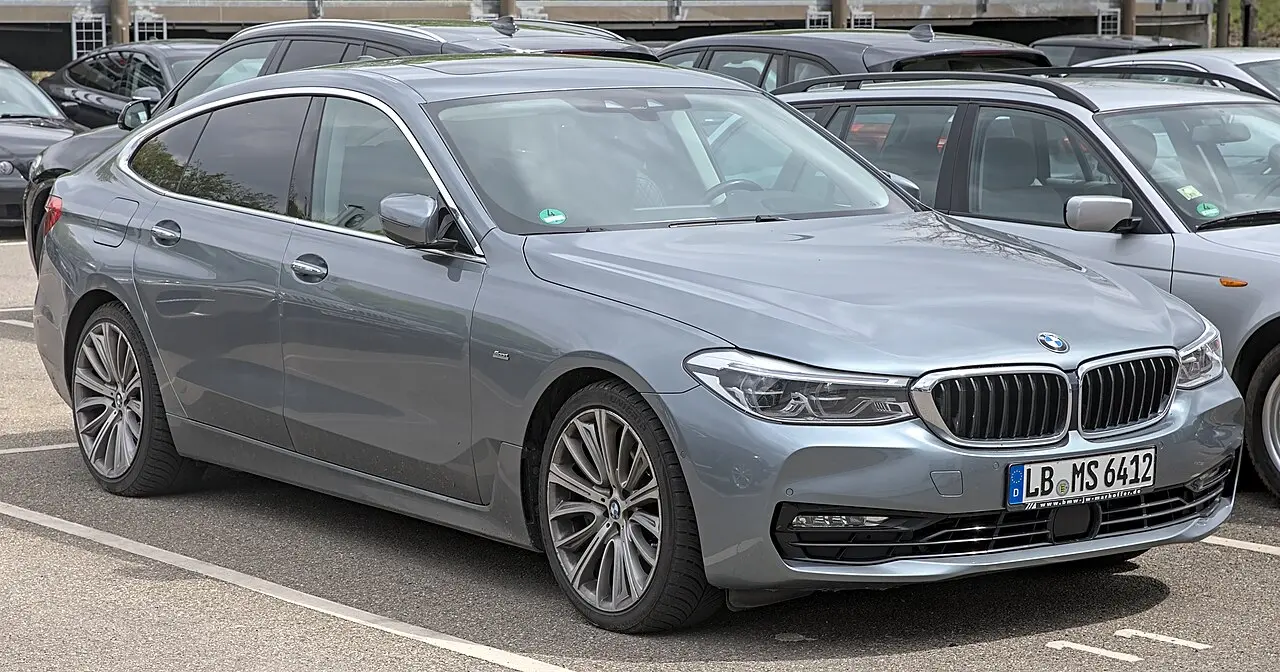
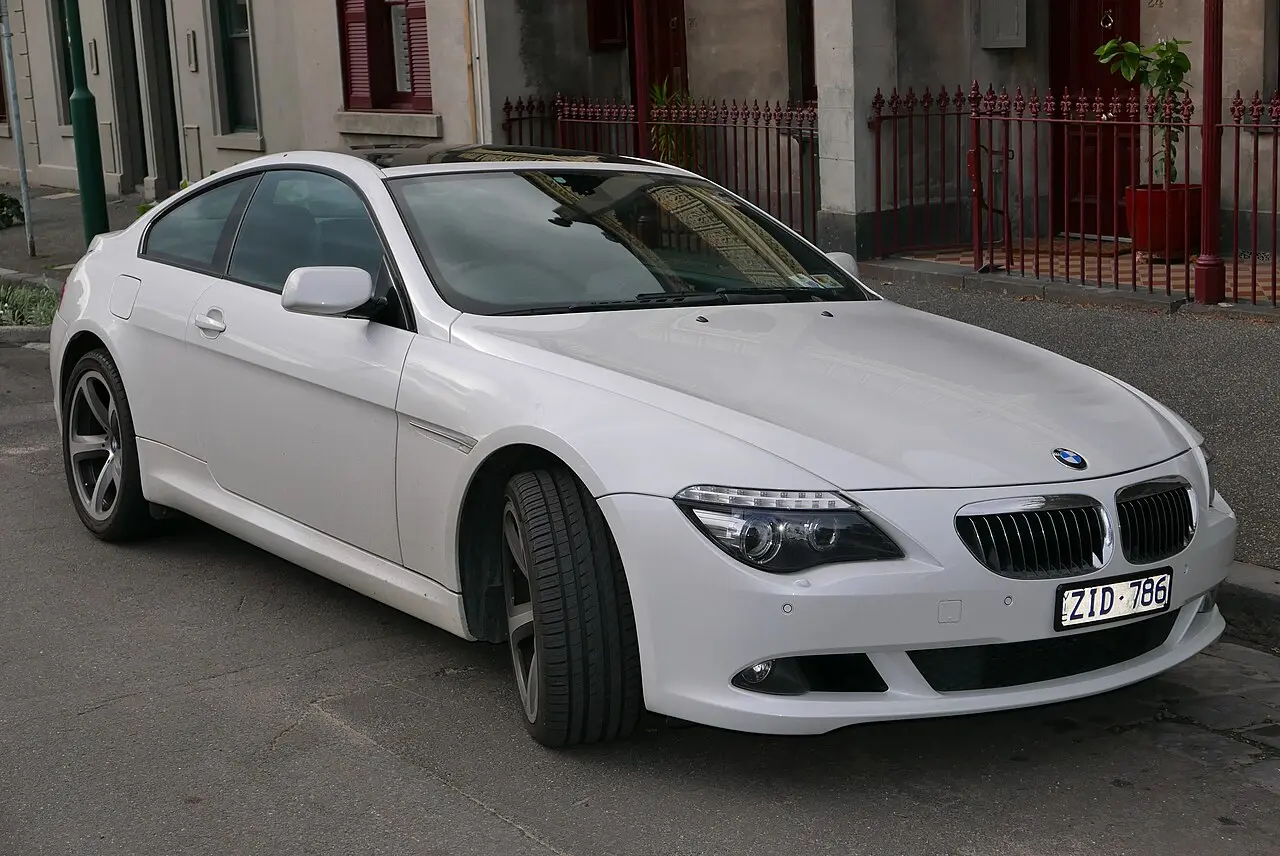
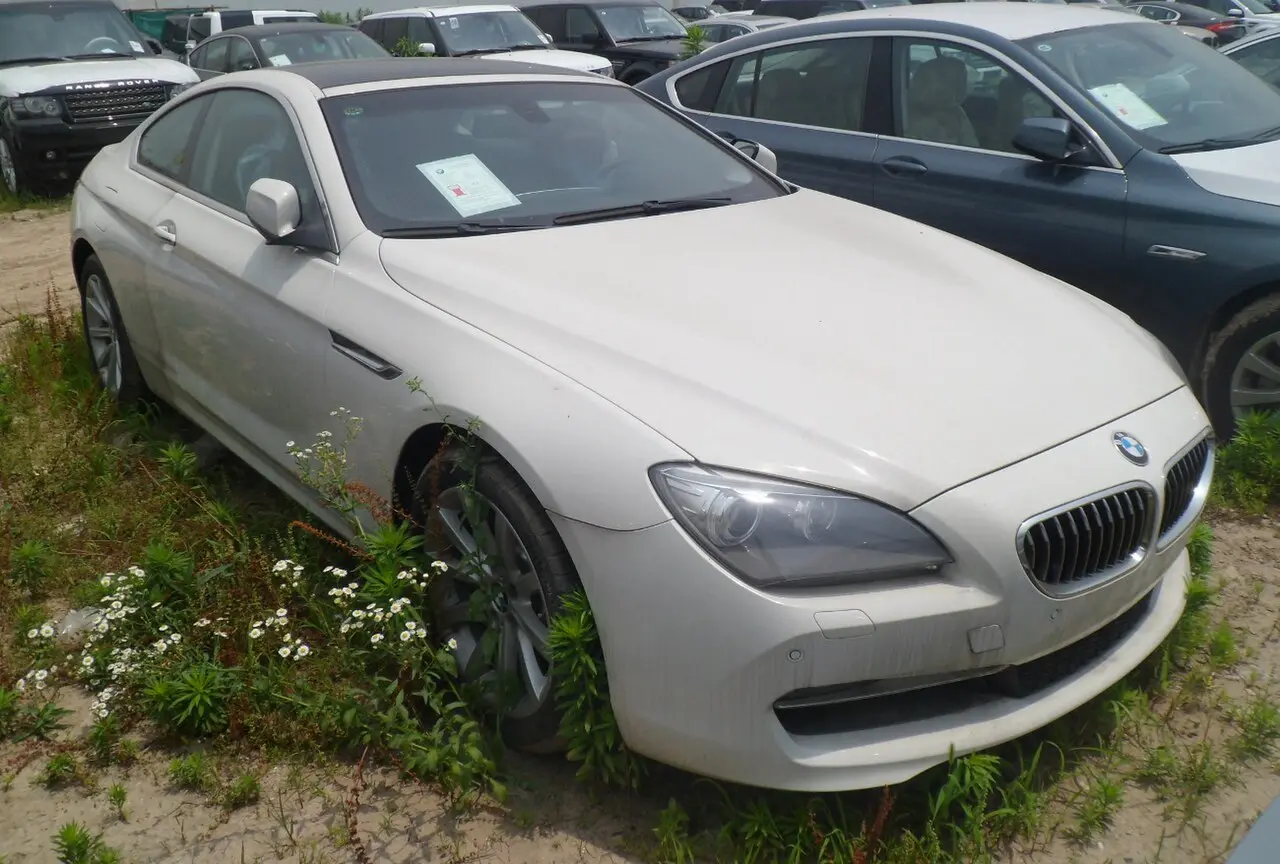
The BMW 6 Series is a grand touring line that brought a more luxurious, relaxed character to BMW’s range. Across its generations, the name has covered two-door coupés and convertibles, a four-door Gran Coupé and a five-door Gran Turismo. Each body style offers a different take on long-distance travel, from open-top motoring to the convenience of a hatchback-style tailgate.
The name returned with the E63 coupé and E64 convertible. The next generation expanded the family with the F06 Gran Coupé, while the G32 carried the 6 Series badge as a Gran Turismo. That evolution turned the line from a pair of traditional two-door cars into a broader family of touring shapes.
Generations
The second generation, E63 coupé and E64 convertible, ran from 2004 to 2010. The third generation, F06 Gran Coupé, F12 convertible and F13 coupé, followed from 2011 to 2019. It added a four-door option alongside the two-door styles. The fourth generation, G32, was sold from 2017 to 2023 as the 6 Series Gran Turismo. These periods overlap as the body styles changed at different times.
Engines, power and fuel consumption
The engine range varied by market and generation. In European Union registration figures, versions span 2.0 to 4.4 litres and 120 kW (163 PS) to 330 kW (449 PS), with petrol, diesel, hybrid and other fuel types represented. The UK range covers 2.0 to 5.0 litres; US and Canadian figures cover petrol engines from 3.0 to 4.8 litres. The most registered EU specification was a 3.0-litre diesel rated at 230 kW (313 PS).
The lowest stated consumption is 5 L/100 km on the WLTP test among EU versions. The UK figure is 4.9 L/100 km on NEDC, while France’s is 5.2 L/100 km on NEDC. In the US, the lowest is 9 L/100 km under EPA ratings, or 26 MPG combined; Canada’s lowest is 10.1 L/100 km on the NRCan 5-cycle test. WLTP and NEDC procedures in Europe, EPA testing in the US and Canada’s 5-cycle test differ, so the figures are best read within their own market.
Questions and answers
Was the 6 Series always a coupé?
No. The name has covered coupés and convertibles, a four-door Gran Coupé and, with the G32, a five-door Gran Turismo.
Which generation was the Gran Coupé?
The four-door Gran Coupé was part of the third generation, alongside the F12 convertible and F13 coupé.
What is the lowest stated fuel consumption?
The lowest EU figure is 5 L/100 km on WLTP. Other markets use different test procedures, so their figures are not directly comparable.
Model codes: F06, F12, F13 · Sold in: United States, Canada, European Union, France, and United Kingdom · References: en.wikipedia.org, en.wikipedia.org
Model codes: G32 · Sold in: European Union, France, and United Kingdom · References: en.wikipedia.org, c3bmw.co.uk
European Union 81 versions
New cars registered in the EU (plus Norway and Iceland), from the European Environment Agency. Figures on the NEDC procedure until 2020 and on WLTP from 2021; versions are grouped by engine and power, with their number of registrations.
Years and version
Engine
Power
Fuel
Consumption (combined)
CO₂
EU registrations
2023
3.0 L
210 kW (286 PS)
Hybrid
6.5 L/100 km WLTP
171 g/km
246
2023
3.0 L
250 kW (340 PS)
Hybrid
6.5 L/100 km WLTP
174 g/km
153
2023
3.0 L
245 kW (333 PS)
Hybrid
8.4 L/100 km WLTP
194 g/km
118
2023
2.0 L
140 kW (190 PS)
Hybrid
5.7 L/100 km WLTP
155 g/km
62
2023
2.0 L
180 kW (245 PS)
Hybrid
7.5 L/100 km WLTP
174 g/km
33
2023
2.0 L
140 kW (190 PS)
Diesel
4.6 L/100 km WLTP
164 g/km
16
2023
3.0 L
250 kW (340 PS)
Diesel
5.3 L/100 km WLTP
181 g/km
16
2023
2.0 L
120 kW (163 PS)
Hybrid
5.6 L/100 km WLTP
147 g/km
13
2023
3.0 L
245 kW (333 PS)
Petrol
7.2 L/100 km WLTP
204 g/km
10
2022
3.0 L
210 kW (286 PS)
Hybrid
6.4 L/100 km WLTP
170 g/km
356
2022
3.0 L
250 kW (340 PS)
Hybrid
6.4 L/100 km WLTP
172 g/km
220
2022
3.0 L
245 kW (333 PS)
Hybrid
8.3 L/100 km WLTP
192 g/km
186
2022
2.0 L
140 kW (190 PS)
Hybrid
5.5 L/100 km WLTP
151 g/km
140
2022
2.0 L
180 kW (245 PS)
Hybrid
7.5 L/100 km WLTP
171 g/km
30
2022
2.0 L
190 kW (258 PS)
Hybrid
7.1 L/100 km WLTP
167 g/km
27
2022
2.0 L
120 kW (163 PS)
Hybrid
5.7 L/100 km WLTP
149 g/km
25
2021
3.0 L
210 kW (286 PS)
Hybrid
6.4 L/100 km WLTP
169 g/km
673
2021
3.0 L
250 kW (340 PS)
Hybrid
6.6 L/100 km WLTP
174 g/km
444
2021
3.0 L
245 kW (333 PS)
Hybrid
8.4 L/100 km WLTP
194 g/km
366
2021
2.0 L
140 kW (190 PS)
Hybrid
5.5 L/100 km WLTP
152 g/km
361
2021
2.0 L
190 kW (258 PS)
Hybrid
7.3 L/100 km WLTP
167 g/km
158
2021
2.0 L
120 kW (163 PS)
Hybrid
5.0 L/100 km WLTP
146 g/km
120
2021
3.0 L
210 kW (286 PS)
Diesel
5.9 L/100 km WLTP
168 g/km
102
2021
2.0 L
140 kW (190 PS)
Diesel
5.2 L/100 km WLTP
153 g/km
95
2021
3.0 L
250 kW (340 PS)
Diesel
5.9 L/100 km WLTP
169 g/km
52
2021
2.0 L
190 kW (258 PS)
Petrol
7.4 L/100 km WLTP
183 g/km
40
2021
3.0 L
245 kW (333 PS)
Petrol
8.3 L/100 km WLTP
194 g/km
35
2021
3.0 L
235 kW (320 PS)
Diesel
7.3 L/100 km WLTP
197 g/km
20
2021
2.0 L
120 kW (163 PS)
Diesel
5.7 L/100 km WLTP
169 g/km
10
2020
3.0 L
195 kW (265 PS)
Diesel
–
151 g/km
899
2020
2.0 L
140 kW (190 PS)
Diesel
–
131 g/km
835
2020
3.0 L
250 kW (340 PS)
Petrol
–
178 g/km
367
2020
3.0 L
210 kW (286 PS)
Hybrid
–
138 g/km
356
2020
3.0 L
235 kW (320 PS)
Diesel
–
161 g/km
248
2020
2.0 L
190 kW (258 PS)
Petrol
–
152 g/km
238
2020
3.0 L
250 kW (340 PS)
Hybrid
–
145 g/km
232
2020
3.0 L
245 kW (333 PS)
Hybrid
–
167 g/km
194
2020
2.0 L
140 kW (190 PS)
Hybrid
–
122 g/km
139
2020
2.0 L
120 kW (163 PS)
Diesel
–
129 g/km
116
2020
2.0 L
190 kW (258 PS)
Hybrid
–
138 g/km
91
2020
3.0 L
210 kW (286 PS)
Diesel
–
140 g/km
28
2020
2.0 L
120 kW (163 PS)
Hybrid
–
118 g/km
26
2020
3.0 L
245 kW (333 PS)
Petrol
–
170 g/km
26
2020
3.0 L
250 kW (340 PS)
Diesel
–
143 g/km
18
2020
3.0 L
183 kW (249 PS)
Diesel
–
154 g/km
14
2019
3.0 L
195 kW (265 PS)
Diesel
–
150 g/km
3,610
2019
2.0 L
140 kW (190 PS)
Diesel
14.8 kWh/100 km NEDC
131 g/km
2,298
2019
3.0 L
250 kW (340 PS)
Petrol
–
181 g/km
1,192
2019
2.0 L
190 kW (258 PS)
Petrol
–
151 g/km
1,033
2019
3.0 L
235 kW (320 PS)
Diesel
–
161 g/km
1,020
2019
2.0 L
120 kW (163 PS)
Diesel
–
128 g/km
352
2019
3.0 L
183 kW (249 PS)
Diesel
–
152 g/km
318
2019
3.0 L
230 kW (313 PS)
Diesel
–
155 g/km
81
2019
3.0 L
155 kW (211 PS)
Diesel
–
145 g/km
76
2019
3.0 L
235 kW (320 PS)
Petrol
–
183 g/km
14
2018
3.0 L
195 kW (265 PS)
Diesel
–
145 g/km
8,944
2018
3.0 L
250 kW (340 PS)
Petrol
–
172 g/km
3,458
2018
3.0 L
235 kW (320 PS)
Diesel
–
152 g/km
1,954
2018
2.0 L
190 kW (258 PS)
Petrol
–
147 g/km
1,794
2018
2.0 L
140 kW (190 PS)
Diesel
–
130 g/km
780
2018
3.0 L
230 kW (313 PS)
Diesel
–
156 g/km
560
2018
3.0 L
183 kW (249 PS)
Diesel
–
153 g/km
334
2018
3.0 L
235 kW (320 PS)
Petrol
–
186 g/km
318
2018
4.4 L
330 kW (449 PS)
Petrol
–
216 g/km
204
2018
3.0 L
155 kW (211 PS)
Diesel
–
144 g/km
146
2018
2.0 L
120 kW (163 PS)
Diesel
–
129 g/km
110
2018
3.0 L
265 kW (360 PS)
Petrol
–
185 g/km
10
2017
3.0 L
230 kW (313 PS)
Diesel
–
152 g/km
4,652
2017
3.0 L
195 kW (265 PS)
Diesel
–
153 g/km
1,476
2017
3.0 L
235 kW (320 PS)
Petrol
–
184 g/km
820
2017
3.0 L
250 kW (340 PS)
Petrol
–
181 g/km
684
2017
4.4 L
330 kW (449 PS)
Petrol
–
216 g/km
606
2017
3.0 L
195 kW (265 PS)
Other fuel
–
139 g/km
254
2017
2.0 L
190 kW (258 PS)
Petrol
–
150 g/km
160
2017
3.0 L
293 kW (398 PS)
Diesel
–
154 g/km
64
2017
3.0 L
235 kW (320 PS)
Other fuel
–
162 g/km
56
2017
3.0 L
345 kW (469 PS)
Diesel
–
158 g/km
48
2017
3.0 L
155 kW (211 PS)
Diesel
–
139 g/km
30
2017
3.0 L
235 kW (320 PS)
Diesel
–
163 g/km
30
2017
3.0 L
183 kW (249 PS)
Other fuel
–
152 g/km
20
2017
3.0 L
375 kW (510 PS)
Petrol
–
187 g/km
18
United Kingdom 8 versions
New cars on sale in the UK, from the Vehicle Certification Agency. NEDC figures until 2018 and WLTP figures after; years are the editions a version appeared in.
Years and version
Engine
Fuel
Gearbox
Consumption (combined)
CO₂
2018630i 18'' standard tyres
2.0 L
Petrol
8-speed automatic
6.5 L/100 km NEDC
148 g/km
2018630i 18'', 19'', 20'' run flat tyres
2.0 L
Petrol
8-speed automatic
6.6 L/100 km NEDC
152 g/km
2018630d 18'' standard tyres
3.0 L
Diesel
8-speed automatic
4.9 L/100 km NEDC
129 g/km
2018630d xDrive 18'' standard tyres
3.0 L
Diesel
8-speed automatic
5.7 L/100 km NEDC
150 g/km
2018630d 18'', 19'', 20'' run flat tyres
3.0 L
Diesel
8-speed automatic
5.1 L/100 km NEDC
135 g/km
2018630d xDrive 18'', 19'', 20'' run flat tyres
3.0 L
Diesel
8-speed automatic
5.9 L/100 km NEDC
154 g/km
2018640i xDrive 18'' standard tyres
3.0 L
Petrol
8-speed automatic
8.0 L/100 km NEDC
183 g/km
2018640i xDrive 18'', 19'', 20'' tyres
3.0 L
Petrol
8-speed automatic
8.2 L/100 km NEDC
187 g/km
Versions outside these generations
United States 10 versions
Model years sold in the USA, from the EPA and the Department of Energy (fueleconomy.gov). MPG on the EPA test; litres per 100 km = 235.215 ÷ MPG.
Years and version
Engine
Fuel
Gearbox
Drive
Consumption (combined)
CO₂
1989(GUZZLER) (FFS) (MPFI), 2MODE
3.4 L
Petrol
4-speed automatic
Rear-wheel drive
15 MPG (15.7 L/100 km) EPA
368 g/km
1989(GUZZLER) (FFS) (MPFI)
3.4 L
Petrol
5-speed manual
Rear-wheel drive
16 MPG (14.7 L/100 km) EPA
345 g/km
1988(GUZZLER) (FFS) (MPFI), 2MODE
3.4 L
Petrol
4-speed automatic
Rear-wheel drive
14 MPG (16.8 L/100 km) EPA
394 g/km
1988(GUZZLER) (FFS) (MPFI)
3.4 L
Petrol
5-speed manual
Rear-wheel drive
15 MPG (15.7 L/100 km) EPA
368 g/km
1987–1988(GUZZLER) (FFS) (MPFI)
3.5 L
Petrol
5-speed manual
Rear-wheel drive
12 MPG (19.6 L/100 km) EPA
460 g/km
1986–1987(GUZZLER) (FFS) (MPFI), 2MODE
3.4 L
Petrol
4-speed automatic
Rear-wheel drive
16 MPG (14.7 L/100 km) EPA
345 g/km
1987(GUZZLER) (FFS) (MPFI)
3.4 L
Petrol
5-speed manual
Rear-wheel drive
16 MPG (14.7 L/100 km) EPA
345 g/km
1985–1986(FFS) · (GUZZLER) (FFS) (MPFI)
3.4 L
Petrol
5-speed manual
Rear-wheel drive
17 MPG (13.8 L/100 km) EPA
325 g/km
1985(FFS)
3.4 L
Petrol
4-speed automatic
Rear-wheel drive
17 MPG (13.8 L/100 km) EPA
325 g/km
1984(FFS) · (FFS) CA model
3.2 L
Petrol
4-speed automatic
–
18 MPG (13.1 L/100 km) EPA
307 g/km
Official figures are measured on standard test procedures and differ between markets. Your consumption depends on how, where and in what conditions you drive.